ROAMOPEDIA
Croatia's Culture
Exploring Croatian Culture: Traditions, Customs, Language, and Etiquette
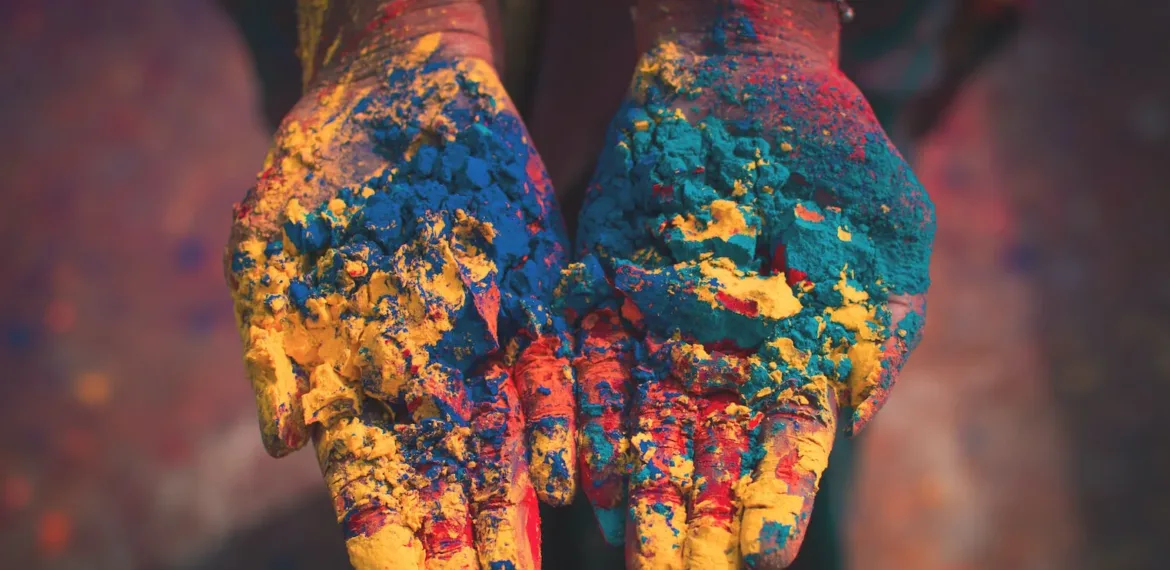
closeup photo of person holding color soils
Croatia: Embrace the rich traditions, customs, language, and etiquette for an unforgettable travel experience.”
Exploring Croatian Culture: Traditions, Customs, Language, and Etiquette

Croatia is a country located in Southeast Europe, known for its stunning coastline, crystal-clear waters, and rich cultural heritage. The country has a diverse history, which has influenced its traditions, customs, language, and etiquette. Understanding these aspects of Croatian culture can enrich the travel experience and help avoid any cultural faux pas.

Traditions

Croatia has a rich tradition of folk music, dance, and costumes. The country is home to many traditional festivals and celebrations, which are an important part of Croatian culture. One of the most famous festivals is the Dubrovnik Summer Festival, which takes place every year in July and August. The festival features music, theater, and dance performances, as well as exhibitions and workshops.

Another important tradition in Croatia is the celebration of Easter. The holiday is celebrated with great enthusiasm, and many people attend church services and participate in traditional Easter egg hunts. The Easter meal is also an important part of the celebration, and it usually includes ham, lamb, and traditional Croatian cakes and pastries.

Customs

Croatians are known for their hospitality and friendliness. When visiting someone’s home, it is customary to bring a small gift, such as flowers or chocolates. It is also polite to remove your shoes before entering someone’s home, as this is a common custom in Croatia.

Another important custom in Croatia is the practice of “fjaka.” Fjaka is a state of mind that is characterized by a feeling of relaxation and contentment. It is a way of life that emphasizes the importance of taking time to enjoy the simple pleasures in life, such as spending time with family and friends, enjoying good food and wine, and taking in the beauty of nature.

Language

The official language of Croatia is Croatian, which is a Slavic language. However, many Croatians also speak English, especially in tourist areas. Learning a few basic phrases in Croatian can be helpful when traveling in the country, as it shows respect for the local culture and can help you communicate with locals.

Some useful phrases to know include “hvala” (thank you), “molim” (please), and “dobar dan” (good day). It is also important to know how to say “hello” and “goodbye,” which are “zdravo” and “doviđenja,” respectively.

Etiquette

Croatians place a high value on politeness and respect. When meeting someone for the first time, it is customary to shake hands and introduce yourself. It is also polite to address people by their formal titles, such as “gospodin” (Mr.) or “gospođa” (Mrs.).

When dining in Croatia, it is important to follow proper etiquette. It is customary to wait for the host to begin eating before you start, and it is polite to keep your hands visible on the table at all times. It is also customary to leave a small amount of food on your plate, as this shows that you have had enough to eat.

When visiting churches or other religious sites, it is important to dress modestly and respectfully. This means covering your shoulders and knees, and avoiding clothing that is too revealing or provocative.

Conclusion

In conclusion, understanding Croatian culture can greatly enhance the travel experience and help avoid any cultural faux pas. The country has a rich tradition of music, dance, and festivals, as well as customs that emphasize hospitality and relaxation. Learning a few basic phrases in Croatian and following proper etiquette can show respect for the local culture and help you connect with locals. Whether you are visiting Croatia for the first time or returning for another visit, taking the time to learn about the country’s traditions, customs, language, and etiquette can make your trip more enjoyable and memorable.

  • Print
  • +-
    Font Size