ROAMOPEDIA
Santiago de Cuba
Discover the soul of Cuba in Santiago de Cuba’s enchanting blend of history, music, and art.
“Discover the soul of Cuba in Santiago de Cuba’s enchanting blend of history, music, and art.”

Santiago de Cuba

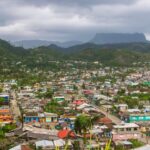
Santiago de Cuba is a city that is rich in history, culture, and architecture. It is located on the southeastern coast of Cuba and is the second-largest city in the country. Santiago de Cuba is a city that is full of life, music, and dance. It is also home to the Afro-Cuban culture and colonial architecture that has made it a popular destination for tourists.

The Afro-Cuban culture is one of the most vibrant and unique cultures in the world. It is a mix of African, Spanish, and indigenous cultures that have blended together over the centuries. The music, dance, and religion of the Afro-Cuban culture are a reflection of this blend of cultures. Santiago de Cuba is the birthplace of many famous Afro-Cuban musicians, including Compay Segundo and Ibrahim Ferrer.

The music of Santiago de Cuba is an essential part of the city’s culture. The city is known for its salsa music, which is a blend of African and Spanish rhythms. The music is played in the city’s clubs, bars, and on the streets. The music is also a part of the city’s festivals, including the famous Carnival of Santiago de Cuba.

The dance is also an essential part of the Afro-Cuban culture. The city’s streets are alive with the sound of music and the sight of people dancing. The most famous dance of Santiago de Cuba is the salsa, which is a fast-paced dance that requires a lot of energy and skill.

The religion of the Afro-Cuban culture is also an essential part of the city’s culture. Santeria is the most popular religion in Santiago de Cuba. It is a blend of African and Catholic religions. The religion is practiced in the city’s many temples and is an important part of the city’s culture.

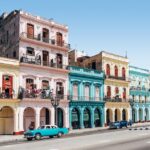
The colonial architecture of Santiago de Cuba is also a sight to behold. The city’s architecture is a reflection of its rich history. The city was founded in 1515 and was an important port city during the colonial period. The city’s architecture is a mix of Spanish, French, and British styles.

The city’s most famous architectural landmark is the Castillo de San Pedro de la Roca. The castle was built in the 17th century and is a UNESCO World Heritage Site. The castle is a prime example of Spanish colonial architecture and is a must-see for anyone visiting Santiago de Cuba.

The city’s other famous architectural landmarks include the Cathedral of Our Lady of the Assumption and the Casa de Diego Velazquez. The Cathedral is a beautiful example of Baroque architecture and is a reflection of the city’s Catholic heritage. The Casa de Diego Velazquez is the oldest house in Cuba and is a prime example of Spanish colonial architecture.

Santiago de Cuba is a city that is full of life, culture, and history. It is a city that is rich in Afro-Cuban culture and colonial architecture. The city’s music, dance, and religion are a reflection of its unique blend of cultures. The city’s architecture is a reflection of its rich history and is a must-see for anyone visiting Santiago de Cuba.

Castillo de San Pedro de la Roca

Santiago de Cuba is a city full of history and culture. It is the second-largest city in Cuba and is located on the southeastern coast of the island. This city is known for its Afro-Cuban culture and colonial architecture. One of the most impressive examples of colonial architecture in Santiago de Cuba is the Castillo de San Pedro de la Roca.

The Castillo de San Pedro de la Roca, also known as El Morro, is a fortress located on a hilltop overlooking the entrance to Santiago de Cuba Bay. It was built in the 17th century to protect the city from attacks by pirates and other enemies. The fortress was declared a UNESCO World Heritage Site in 1997 and is one of the most popular tourist attractions in Santiago de Cuba.

Visitors to the Castillo de San Pedro de la Roca can explore the fortress and learn about its history. The fortress is made up of several levels, including a lower battery, a middle battery, and an upper battery. The upper battery is the highest point of the fortress and offers stunning views of the bay and the surrounding area. Visitors can also see the lighthouse that was added to the fortress in the 19th century.

In addition to its historical significance, the Castillo de San Pedro de la Roca is also an important cultural site. It is a symbol of the blending of Spanish and African cultures in Cuba. The fortress was built by African slaves who were brought to Cuba to work on the sugar plantations. Many of these slaves came from West Africa and brought with them their own cultural traditions. These traditions were mixed with those of the Spanish colonizers to create a unique Afro-Cuban culture that is still present in Santiago de Cuba today.

One of the most important aspects of Afro-Cuban culture is music. Santiago de Cuba is known as the birthplace of many Cuban musical styles, including son, bolero, and salsa. Visitors to the city can experience this music firsthand by attending live performances at venues like the Casa de la Trova or the Tropicana Santiago nightclub. These venues feature local musicians who play traditional Cuban music and give visitors a taste of the city’s vibrant cultural scene.

Another important aspect of Afro-Cuban culture is religion. Many Afro-Cubans practice Santeria, a religion that combines Catholicism with African traditions. Visitors to Santiago de Cuba can learn about Santeria by visiting the Casa de Caridad, a temple dedicated to the religion. They can also see Santeria artifacts and attend ceremonies and rituals.

Overall, Santiago de Cuba is a city that offers visitors a unique blend of history and culture. The Castillo de San Pedro de la Roca is just one example of the city’s rich history and cultural heritage. Visitors to the city can also explore its colonial architecture, experience its music and dance, and learn about its Afro-Cuban traditions. Santiago de Cuba is a must-visit destination for anyone interested in Cuban culture and history.

Parque Cespedes

Santiago de Cuba is a city that exudes history and culture. It is the second-largest city in Cuba and is located on the southeastern coast of the island. Santiago de Cuba is known for its Afro-Cuban culture, colonial architecture, and its importance in the Cuban Revolution. One of the best places to experience the history and culture of Santiago de Cuba is at Parque Cespedes.

Parque Cespedes is located in the heart of Santiago de Cuba and is surrounded by some of the city’s most important buildings. The park is named after Carlos Manuel de Cespedes, who is considered the father of the Cuban nation. The park is a popular gathering place for locals and tourists alike.

One of the most impressive buildings surrounding Parque Cespedes is the Catedral de Nuestra Senora de la Asuncion. The cathedral was built in the 16th century and is one of the oldest churches in Cuba. The cathedral is a stunning example of colonial architecture and is a must-visit for anyone interested in history and architecture.

Another important building surrounding Parque Cespedes is the Casa de Diego Velazquez. The house was built in the early 16th century and is the oldest house in Cuba. The house has been restored and is now a museum that showcases the history of Santiago de Cuba. The museum is a great place to learn about the city’s history and culture.

Parque Cespedes is also a great place to experience the Afro-Cuban culture of Santiago de Cuba. The park is home to many street performers who showcase their talents for locals and tourists alike. The music and dance performances are a great way to experience the vibrant culture of Santiago de Cuba.

One of the best times to visit Parque Cespedes is during the Carnaval de Santiago de Cuba. The carnival is held every July and is one of the biggest and most important cultural events in Cuba. The carnival is a celebration of Afro-Cuban culture and features music, dance, and colorful costumes.

In addition to the buildings and cultural events, Parque Cespedes is also a great place to relax and enjoy the beauty of Santiago de Cuba. The park is surrounded by trees and is a peaceful oasis in the middle of the city. The park is a great place to people watch and take in the sights and sounds of Santiago de Cuba.

Overall, Parque Cespedes is a must-visit destination for anyone traveling to Santiago de Cuba. The park is a great place to experience the history, culture, and beauty of the city. From the colonial architecture to the Afro-Cuban culture, Parque Cespedes has something for everyone. Whether you are interested in history, architecture, or simply want to relax and enjoy the beauty of Santiago de Cuba, Parque Cespedes is the perfect destination.

Moncada Barracks

Santiago de Cuba is a city located in the southeastern part of Cuba, and it is known for its rich history, Afro-Cuban culture, and colonial architecture. One of the most significant historical landmarks in Santiago de Cuba is the Moncada Barracks, which played a crucial role in the Cuban Revolution.

The Moncada Barracks is a military fortress that was built in the 1930s and named after General Guillermo Moncada, who was a prominent figure in the Cuban War of Independence. On July 26, 1953, a group of revolutionaries led by Fidel Castro and his brother Raul launched an attack on the Moncada Barracks, hoping to overthrow the government of then-dictator Fulgencio Batista. Although the attack was unsuccessful and many of the revolutionaries were killed or captured, it marked the beginning of the Cuban Revolution and inspired many others to join the cause.

Today, the Moncada Barracks is a museum that showcases the history of the Cuban Revolution and the role that Santiago de Cuba played in it. Visitors can explore the barracks and see the bullet holes and other evidence of the attack that took place over 60 years ago. The museum also features exhibits on the history of Cuba, the life of Fidel Castro, and the struggles of the Cuban people.

Aside from its historical significance, Santiago de Cuba is also known for its vibrant Afro-Cuban culture. The city has a large population of Afro-Cubans, who have preserved their traditions and customs over the years. One of the most popular cultural events in Santiago de Cuba is the Carnaval, which takes place every July and features colorful parades, music, and dance. The Carnaval is a celebration of African heritage and is a testament to the resilience and strength of the Afro-Cuban community.

In addition to its rich culture, Santiago de Cuba is also home to some of the most beautiful colonial architecture in the country. The city was founded in the early 16th century and served as the capital of Cuba until Havana took over in the late 18th century. Many of the buildings in Santiago de Cuba date back to the colonial era and feature a blend of Spanish and African architectural styles.

One of the most iconic buildings in Santiago de Cuba is the Casa de Diego Velazquez, which was built in the early 16th century and is the oldest existing house in Cuba. The house was once the residence of the Spanish governor and is now a museum that showcases the history of Santiago de Cuba. Visitors can explore the different rooms of the house and see the various artifacts and artwork that are on display.

Another must-see colonial building in Santiago de Cuba is the Cathedral of Our Lady of the Assumption, which was built in the late 18th century and is one of the most beautiful churches in Cuba. The cathedral features a mix of Baroque and neoclassical styles and has a stunning interior that is decorated with frescoes and stained glass windows.

Overall, Santiago de Cuba is a city that is rich in history, culture, and architecture. From the Moncada Barracks to the Carnaval to the colonial buildings, there is something for everyone to see and experience in this vibrant and colorful city. Whether you are a history buff, a culture enthusiast, or an architecture lover, Santiago de Cuba is a destination that should not be missed.

Emilio Bacardi Moreau Museum

Santiago de Cuba is a city that offers a unique blend of Afro-Cuban culture and colonial architecture. It is located in the southeastern part of Cuba and is the second-largest city in the country. The city has a rich history and is home to many interesting landmarks and cultural attractions. One of the must-visit places in Santiago de Cuba is the Emilio Bacardi Moreau Museum.

The Emilio Bacardi Moreau Museum is a beautiful building that houses a vast collection of art and artifacts. The museum was founded by Emilio Bacardi Moreau, who was a prominent Cuban businessman and philanthropist. The building was constructed in the early 20th century and is a great example of colonial architecture. The museum is located in the heart of the city and is easily accessible to visitors.

The museum has several exhibition halls that showcase the history and culture of Cuba. The halls are filled with paintings, sculptures, and other artworks that reflect the country’s rich cultural heritage. The museum also has a library that houses a vast collection of books, manuscripts, and documents related to Cuban history and culture.

One of the highlights of the museum is the collection of pre-Columbian artifacts. The collection includes pottery, stone carvings, and other artifacts that date back to the pre-Columbian era. The artifacts provide a glimpse into the lives of the indigenous people who lived in Cuba before the arrival of the Spanish.

Another interesting exhibit at the museum is the collection of colonial art. The collection includes paintings, sculptures, and other artworks from the colonial period. The artworks reflect the influence of Spanish culture on Cuban art during the colonial era.

The museum also has a collection of contemporary art. The collection includes paintings, sculptures, and other artworks from contemporary Cuban artists. The artworks reflect the current trends and themes in Cuban art and provide a glimpse into the country’s vibrant art scene.

Apart from the art and artifacts, the museum also has a beautiful garden. The garden is filled with exotic plants and flowers and provides a peaceful escape from the hustle and bustle of the city. The garden is a great place to relax and enjoy the natural beauty of Cuba.

Visiting the Emilio Bacardi Moreau Museum is a great way to discover the Afro-Cuban culture and colonial architecture of Santiago de Cuba. The museum provides a comprehensive overview of Cuban history and culture and is a must-visit for anyone interested in the country’s rich heritage. The museum is open to visitors every day of the week, and guided tours are available for those who want to learn more about the exhibits.

Santiago de Cuba is a city that offers a unique blend of Afro-Cuban culture and colonial architecture. The Emilio Bacardi Moreau Museum is a great place to discover the country’s rich cultural heritage. The museum’s collection of art and artifacts provides a comprehensive overview of Cuban history and culture, and the beautiful garden offers a peaceful escape from the city’s hustle and bustle. Visiting the museum is a must-do activity for anyone visiting Santiago de Cuba.

  • Print
  • +-
    Font Size