“Discover the timeless elegance of Villa Tugendhat in Brno, Czech Republic – a Mies van der Rohe masterpiece on the UNESCO list.”

Related
All related contents.
Related Posts

Discover the rich Jewish heritage of Prague’s historic district.

Discover the charm of Telc, a UNESCO World Heritage site in Czech Republic.

Discover the awe-inspiring beauty of Olomouc’s Holy Trinity Column, a UNESCO-listed masterpiece of Baroque art.

Discover the beauty and history of Prague through the iconic Charles Bridge and its breathtaking views of the Vltava River.

Discover the natural and cultural wonders of Liberec, Czech Republic.

Discover the beauty of Prague Castle’s St. Vitus Cathedral.

Discover the birthplace of Pilsner beer through guided tours and tastings at the Pilsner Urquell Brewery in Plzeň, Czech Republic.

Discover the beauty of Olomouc’s baroque architecture and rich history. Visit the Holy Trinity Column, St. Wenceslas Cathedral, and Astronomical Clock.
Discover the Gothic wonders of Kutna Hora, a UNESCO World Heritage site.

Step back in time at Český Krumlov Castle and experience centuries of history and stunning architecture.
Discover the enchanting beauty of Cesky Krumlov, Czech Republic’s hidden gem.
Discover the birthplace of Pilsner beer and immerse yourself in Czech history and culture in Plzen.

Discover the eerie beauty of Sedlec Ossuary in Kutná Hora, Czech Republic.

Petrin Hill in Prague: Enjoy panoramic views and adventure with a dash of Parisian charm.

Experience the energy of Prague at Wenceslas Square, where culture, cuisine, and history converge.

Indulge in relaxation and beauty at Karlovy Vary Spa in the stunning Czech Republic.

Discover the past at Špilberk Castle in Brno, Czech Republic.

Discover the rich history and culture of Brno, Czech Republic through its iconic landmarks.

Relax and rejuvenate in the charming spa town of Karlovy Vary – where history, luxury, and natural hot springs meet.

The majestic Prague Castle, a symbol of Czech heritage and power.

Discover the rich history and stunning architecture of Prague’s Old Town Square, home to the iconic Astronomical Clock and Týn Church.

Discover the beauty of Mikulov, where history and wine come together.

Discover the magic of Prague’s past and present through its iconic landmarks.

Discover the playful side of architecture in Prague’s Dancing House.
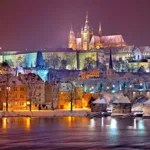
Discover the heart of Europe in the Czech Republic – a land of castles, beer, and breathtaking scenery.