Dive into the diverse culture of Djibouti City – a fusion of African, Arabian, and French influences.
“Dive into the diverse culture of Djibouti City – a fusion of African, Arabian, and French influences.”
Djibouti City
Djibouti City is a cultural melting pot that is home to a diverse array of people and traditions. This bustling city is located in the Horn of Africa and is known for its strategic location at the entrance to the Red Sea. If you are planning a trip to Djibouti City, there are several must-see cultural attractions that you should add to your itinerary. In this article, we will guide you through the cultural mix of Djibouti City and explore some of its most popular landmarks.
Moucha Island
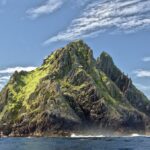
Moucha Island is a small island located off the coast of Djibouti City. This beautiful island is known for its crystal clear waters, white sandy beaches, and vibrant coral reefs. The island is accessible by boat and is a popular destination for snorkeling, diving, and fishing. Moucha Island is also home to several small villages where you can experience the local way of life and sample traditional cuisine. If you are looking for a peaceful escape from the hustle and bustle of Djibouti City, Moucha Island is the perfect destination.
Hamoudi Mosque
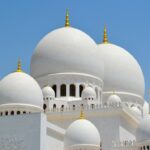
Hamoudi Mosque is one of the most beautiful and culturally significant landmarks in Djibouti City. This stunning mosque was built in the 1960s and is named after its founder, Sheikh Hamoudi. The mosque is known for its intricate architecture, stunning mosaics, and beautiful calligraphy. It is also the largest mosque in Djibouti and can accommodate up to 10,000 worshippers. If you are interested in learning more about the Islamic faith and experiencing the local culture, a visit to Hamoudi Mosque is a must.
Presidential Palace
The Presidential Palace is another must-see cultural landmark in Djibouti City. This beautiful palace is located in the heart of the city and is home to the President of Djibouti. The palace is known for its stunning architecture, beautiful gardens, and impressive fountains. It is also an important political and cultural center in Djibouti and is often the site of important state events and ceremonies. If you are interested in politics or history, a visit to the Presidential Palace is a must.
Central Market
The Central Market is the heart and soul of Djibouti City. This bustling market is located in the heart of the city and is a hub of activity and commerce. The market is known for its vibrant colors, exotic smells, and diverse range of products. Here, you can find everything from traditional textiles and handicrafts to spices, fruits, and vegetables. The market is also a great place to sample local cuisine and interact with the friendly and welcoming locals. If you want to experience the true essence of Djibouti City, a visit to the Central Market is a must.
Djibouti City is a vibrant and culturally rich destination that is sure to captivate and inspire visitors. Whether you are interested in history, religion, or simply soaking up the local culture, there is something for everyone in this beautiful city. So, pack your bags and get ready for an unforgettable adventure in Djibouti City.
Moucha Island
Djibouti City is a vibrant and bustling city in the Horn of Africa, known for its rich cultural heritage and diverse population. The city is a melting pot of different cultures and traditions, and visitors can explore the unique mix of customs and practices that make Djibouti City a fascinating destination.
One of the most popular attractions in Djibouti City is Moucha Island, located just off the coast of the city. The island is a paradise for beach lovers, with crystal clear waters and pristine white sand beaches. Visitors can spend the day swimming, snorkeling, and sunbathing, or take a boat tour around the island to explore its hidden coves and bays.
Another must-see attraction in Djibouti City is the Hamoudi Mosque, one of the oldest and most beautiful mosques in the city. The mosque is a masterpiece of Islamic architecture, with intricate carvings and ornate decorations that reflect the rich cultural heritage of the region. Visitors can take a guided tour of the mosque to learn more about its history and significance, or simply marvel at its beauty from the outside.
For those interested in the political history of Djibouti City, a visit to the Presidential Palace is a must. The palace is the official residence of the President of Djibouti, and visitors can take a guided tour to learn more about the country’s political history and the role of the President in shaping the nation’s future. The palace is also a stunning example of modern architecture, with sleek lines and futuristic design that reflect the country’s aspirations for the future.
Finally, no visit to Djibouti City is complete without a trip to the Central Market, the bustling heart of the city’s commercial district. Here, visitors can explore the vibrant mix of cultures and traditions that make Djibouti City such a unique destination. From colorful textiles and handmade crafts to exotic spices and fresh produce, the market is a sensory feast that offers a glimpse into the daily lives of the city’s residents.
Djibouti City is a cultural gem that offers visitors a unique insight into the rich and diverse heritage of the Horn of Africa. From the pristine beaches of Moucha Island to the ornate beauty of the Hamoudi Mosque, the city is a treasure trove of cultural and historical sites that are sure to leave a lasting impression on any visitor. So why not plan your trip today and discover the cultural mix of Djibouti City for yourself?
Hamoudi Mosque
Djibouti City is a melting pot of cultures, and one of the most intriguing aspects of this vibrant city is its architecture, which reflects the diverse influences that have shaped it over the centuries. One of the most striking examples of this cultural mix can be seen in the Hamoudi Mosque, a magnificent structure that embodies the unique blend of Islamic and French colonial styles that are so prevalent in Djibouti.
The Hamoudi Mosque was built in the early 1900s, during the French colonial period, and was named after its founder, Sheikh Hamoudi. It is located in the heart of the city’s historic district and is one of the most important religious sites in Djibouti. The mosque is renowned for its intricate architectural details, which combine traditional Islamic elements with French colonial influences.
One of the most striking features of the Hamoudi Mosque is its minaret, which is reminiscent of the French colonial style of architecture. The minaret is constructed of stone and is adorned with intricate carvings and decorations, including a series of arched windows and a pointed spire at the top. The minaret is an iconic symbol of the mosque and is visible from many parts of the city.
Inside the mosque, visitors can admire the stunning decoration and artwork that adorns the walls and ceilings. The interior of the mosque is a masterpiece of Islamic art, with intricate geometric patterns and calligraphy adorning every surface. The central prayer hall is particularly impressive, with a large dome that is supported by a series of ornate pillars. The hall is flooded with light from the many windows that line the walls, creating a sense of serenity and peace.
The Hamoudi Mosque is not only a place of worship but also a place of education and community. The mosque offers a range of services and programs for the local community, including religious education classes, social events, and charitable initiatives. Visitors are welcome to attend services and events at the mosque, and it is a great way to experience the local culture and traditions of Djibouti.
After visiting the Hamoudi Mosque, visitors can explore the surrounding area and discover more of the city’s rich cultural heritage. Nearby attractions include the Presidential Palace, which is a stunning example of French colonial architecture, and the Central Market, where visitors can browse a range of local products and goods. For those looking for a more adventurous experience, a trip to Moucha Island is a must. This small island is located just off the coast of Djibouti and is home to some of the most beautiful beaches and coral reefs in the region.
the Hamoudi Mosque is a true gem of Djibouti City and a testament to the unique cultural mix that defines this vibrant city. Its stunning architecture and rich history make it a must-see attraction for anyone visiting Djibouti, and its role as a center of community and education makes it a vital part of the local culture. Whether you are a history buff, an architecture enthusiast, or simply looking for a unique cultural experience, the Hamoudi Mosque is sure to leave a lasting impression.
Presidential Palace
Djibouti City is a melting pot of cultures, and there’s no better place to experience this than at the Presidential Palace. Located in the heart of the city, this impressive building is the official residence of the President of Djibouti. It’s a symbol of the country’s political power and a testament to its rich history.
The Presidential Palace was built in the 19th century by the French colonial administration. It was originally used as a military hospital and later as a residence for the French governor. After Djibouti gained independence in 1977, the building became the official residence of the President.
The Palace is an architectural marvel that showcases the fusion of French and Arabic styles. It’s a grand structure with a white facade, green shutters, and a red tiled roof. The building is surrounded by lush gardens that are meticulously maintained and add to the overall grandeur of the Palace.
Visitors can take a guided tour of the Palace to learn about Djibouti’s history and culture. The tour takes you through the Palace’s many rooms, including the reception hall, dining room, and bedrooms. The rooms are adorned with intricate decorations, such as chandeliers, antique furniture, and artwork. The tour also provides an opportunity to learn about the President’s daily routine and the role of the Palace in the country’s political landscape.
One of the most notable features of the Presidential Palace is its location. It’s situated on a hill overlooking the Gulf of Tadjoura, providing stunning panoramic views of the city and the sea. The Palace’s location also makes it a popular spot for photographers and tourists who want to capture the beauty of Djibouti City.
In addition to the Palace, Djibouti City has many other attractions that showcase its cultural mix. One such place is Moucha Island, located just off the coast of Djibouti. The island is a popular destination for tourists who want to relax on the beach, swim in the crystal-clear waters, and explore the island’s natural beauty. Moucha Island is also known for its diverse marine life, making it a popular spot for snorkeling and diving.
Another must-see attraction in Djibouti City is the Hamoudi Mosque. This beautiful mosque is one of the oldest in the city and is a prime example of Islamic architecture. The mosque’s intricate design features a central dome and two minarets, and it’s adorned with colorful mosaics and calligraphy. Visitors can take a guided tour of the mosque to learn about its history and significance in Djiboutian culture.
Finally, no trip to Djibouti City is complete without a visit to the Central Market. This bustling market is a hub of activity and a great place to experience the local culture. The market is filled with vendors selling everything from spices and textiles to jewelry and souvenirs. It’s a great place to find unique gifts and souvenirs to take home.
Djibouti City is a cultural gem that’s waiting to be explored. Whether you’re interested in history, architecture, or simply relaxing on the beach, there’s something for everyone in this vibrant city. The Presidential Palace, Moucha Island, Hamoudi Mosque, and Central Market are just a few of the many attractions that showcase Djibouti City’s unique cultural mix. So pack your bags and get ready to experience the magic of Djibouti City for yourself.
Central Market
Djibouti City is a melting pot of cultures, with a rich history and diverse population. It is a city that is full of life and color, and there is no shortage of things to see and do. In this article, we will explore some of the most interesting cultural landmarks in Djibouti City, including Moucha Island, Hamoudi Mosque, Presidential Palace, and Central Market.
Moucha Island is a small island off the coast of Djibouti City that is known for its beautiful beaches and crystal-clear waters. It is a popular destination for tourists and locals alike, and it is easy to see why. The island is home to a variety of marine life, including dolphins, turtles, and colorful fish. Visitors can take a boat ride from Djibouti City to Moucha Island and spend the day relaxing on the beach, swimming in the ocean, and enjoying the local cuisine.
Hamoudi Mosque is one of the most important religious landmarks in Djibouti City. It is a beautiful mosque that is located in the heart of the city, and it is open to visitors of all faiths. The mosque was built in the 1960s and is named after Sheikh Hamoudi, a prominent Islamic scholar. Visitors can admire the intricate architecture of the mosque and learn about the history of Islam in Djibouti.
The Presidential Palace is another important cultural landmark in Djibouti City. It is a grand building that is located in the center of the city, and it serves as the official residence of the President of Djibouti. The palace was built in the 19th century and has been renovated several times over the years. Visitors can take a guided tour of the palace and learn about the history of the country and its leaders.
Central Market is a bustling marketplace that is located in the heart of Djibouti City. It is a vibrant and colorful place that is full of life and energy. Visitors can explore the different stalls and shops and buy a variety of goods, including spices, textiles, and souvenirs. The market is a great place to experience the local culture and interact with the friendly and welcoming people of Djibouti City.
Djibouti City is a city that is full of cultural landmarks and interesting places to visit. Whether you are interested in history, religion, or simply want to experience the local culture, there is something for everyone in this vibrant and diverse city. From the beautiful beaches of Moucha Island to the grandeur of the Presidential Palace, Djibouti City is a city that is sure to leave a lasting impression on visitors. So why not book your trip today and explore this fascinating city for yourself?