“Discover the rich heritage and traditions of Djibouti at Djibouti National Museum in Djibouti City.”

Related
All related contents.
Related Posts

Discover the beauty of Djibouti City and its breathtaking Arta Beach.
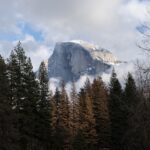
Discover the natural beauty of Djibouti at Day Forest National Park.
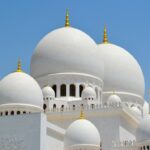
Discover the Islamic heritage of Djibouti through the stunning Hamoudi Mosque.

Tagline: “Discover the beauty of Djibouti City and Moucha Island – where adventure meets relaxation.

Dive into the diverse culture of Djibouti City – a fusion of African, Arabian, and French influences.
Djibouti: The Ultimate Destination for Beach Lovers and Water Sports Enthusiasts

Discover Djibouti: A world of wonder hidden in the heart of Africa.

Experience the regal splendor of Djibouti Presidential Palace in Djibouti City.

Discover the beauty of Djibouti at Khor Ambado Beach.

Discover the vibrant flavors and colors of Djibouti at the Central Market in Djibouti City.
Uncover the hidden treasures of Djibouti: from the bustling capital city to the tranquil Tadjoura, experience the beauty and history of this coastal gem.

Discover the beauty and culture of Arta, Djibouti’s hidden gem.

Discover the vibrant heart of Djibouti City at Menelik Square.

Discover the natural wonders of Djibouti: from the lowest point in Africa to the striking volcanic landscapes surrounding Lake Assal in Djibouti City.
Discover the charm and history of Djibouti’s Obock, where the past meets the present.

Djibouti City’s Abyssinian Church: Embrace the Richness of Djibouti’s Religious Tapestry.

Discover the natural wonders of Ali Sabieh, Djibouti’s hidden gem.
Tadjoura, where history meets natural beauty.