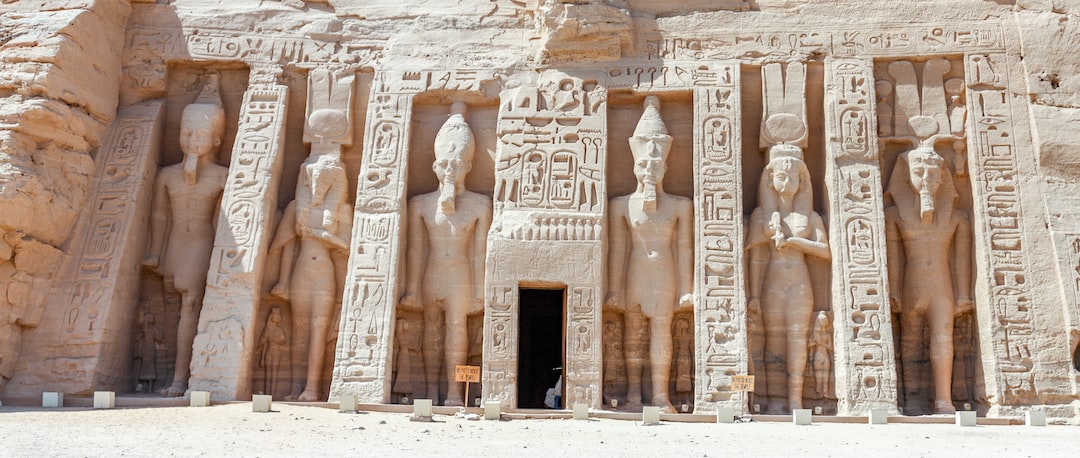
“These magnificent temples, carved into the mountainside, are a testament to the grandeur of ancient Egyptian architecture.”
Related
All related contents.
Related Posts

Discover the wonders of ancient Egypt in Luxor, the world’s greatest open-air museum.
Discover the grandeur of ancient Egypt at Karnak Temple in Luxor.

Discover the ancient wonders of Alexandria, where history lives on.

Experience the ancient wonders and modern charm of Cairo, Egypt’s bustling capital.

Discover the beauty of Egypt’s coastal gem, Sharm El Sheikh.

Discover the grandeur of medieval Cairo at the Citadel of Saladin.

Discover the rich religious heritage of Egypt in Old Cairo.

Discover the wonders of Egypt’s Aswan and witness the marvel of the Aswan High Dam and Lake Nasser.

Experience the vibrant culture of Egypt at the colorful Khan el-Khalili Bazaar in Cairo.

Discover the ancient beauty of Al-Azhar Mosque in Cairo, Egypt.
Discover the ancient wonders of Luxor Temple in Egypt.

Discover the legacy of knowledge at the Library of Alexandria in Egypt’s historic city of Alexandria.

Discover the ultimate seaside paradise in Egypt’s Hurghada.

Experience the grandeur of ancient Egypt with a visit to the Colossi of Memnon in Luxor.

Discover the multicultural legacy of Egypt at the Catacombs of Kom el Shoqafa in Alexandria.
Discover the secrets of the pharaohs at the Valley of the Kings in Luxor, Egypt.
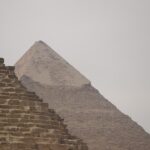
Discover the timeless wonder of the Great Pyramids of Giza in the heart of Cairo.

Discover the historic charm of Alexandria’s Qaitbay Citadel.

Egypt – Tourism and travel highlights

Discover the wonders of ancient Egypt at the Egyptian Museum in Cairo.

Discover the wonders of ancient Egypt in Aswan, where history and natural beauty meet.