ROAMOPEDIA
Luxor
Discover the wonders of ancient Egypt in Luxor, the world’s greatest open-air museum.
“Discover the wonders of ancient Egypt in Luxor, the world’s greatest open-air museum.”

Luxor

Egypt is a country steeped in history and mystery. Its ancient civilization has left behind a legacy that still fascinates people from all over the world. Among the many wonders of Egypt is the city of Luxor, which is home to some of the most impressive ancient monuments in the world. From the Karnak Temple to the Valley of the Kings, Luxor is a treasure trove of ancient wonders that offer a glimpse into the past.

One of the most impressive sights in Luxor is the Karnak Temple. This vast complex of temples, chapels, and pylons was built over a period of more than 2,000 years. It was dedicated to the god Amun and was the most important religious center in ancient Egypt. The temple is known for its impressive hypostyle hall, which features 134 massive columns that soar to a height of 70 feet. The hall is covered in intricate hieroglyphs and carvings that depict scenes from Egyptian mythology.

Another must-see attraction in Luxor is the Luxor Temple. This temple was built during the New Kingdom period and was dedicated to the god Amun-Ra. The temple is known for its impressive pylon, which stands 79 feet tall and is decorated with carvings of the pharaohs. Inside the temple, visitors can see the massive statues of Ramses II, which flank the entrance. The temple is also home to a number of chapels, sanctuaries, and halls that are decorated with beautiful hieroglyphs and carvings.

The Valley of the Kings is another popular attraction in Luxor. This valley is home to the tombs of many pharaohs, including Tutankhamun. The tombs are carved into the rock and are decorated with intricate paintings and carvings that depict scenes from the pharaohs’ lives and the afterlife. Visitors can explore several of the tombs, including the famous tomb of Tutankhamun, which was discovered in 1922 by Howard Carter.

The Valley of the Queens is another site worth visiting in Luxor. This valley is home to the tombs of many queens and princesses from the New Kingdom period. The tombs are decorated with beautiful paintings and carvings that depict scenes from the queens’ lives and the afterlife. Visitors can explore several of the tombs, including the tomb of Queen Nefertari, which is considered one of the most beautiful tombs in Egypt.

Finally, the Colossi of Memnon are two massive statues that stand on the west bank of the Nile River. The statues depict the pharaoh Amenhotep III and were originally part of a larger temple complex. Today, the statues are all that remain of the temple, but they are still an impressive sight to behold. Visitors can take photos with the statues and explore the surrounding area, which is full of ancient ruins.

Luxor is a city that is rich in history and culture. From the Karnak Temple to the Colossi of Memnon, there are plenty of ancient wonders to explore in this fascinating city. Whether you are a history buff or simply looking for an adventure, Luxor is a destination that should not be missed. So, pack your bags and get ready to discover the wonders of Egypt’s Luxor!

Karnak Temple

Egypt is a land of mystery and wonder, steeped in thousands of years of history and culture. One of the most fascinating destinations in Egypt is Luxor, a city that was once the ancient capital of the Pharaohs. Luxor is home to some of the most impressive ancient ruins in the world, including Karnak Temple, Luxor Temple, Valley of the Kings, Valley of the Queens, and Colossi of Memnon. Let’s take a journey through these incredible sites and discover the wonders of Luxor.

Our first stop is Karnak Temple, one of the largest temple complexes in the world. The temple was built over a period of 2,000 years, beginning in the Middle Kingdom and ending in the Ptolemaic era. The temple is dedicated to the god Amun, and it was believed that the Pharaohs were able to communicate with the gods here. The temple is made up of several temples, chapels, and pylons, each one more impressive than the last. The most famous feature of Karnak Temple is the Hypostyle Hall, a forest of towering columns that are decorated with intricate carvings and hieroglyphics. Walking through the Hypostyle Hall is like stepping back in time, and it’s easy to imagine what it must have been like to worship here thousands of years ago.

Our next stop is Luxor Temple, which is located in the heart of Luxor city. The temple was built by Amenhotep III and Ramses II, and it was dedicated to the god Amun. The temple is smaller than Karnak, but it’s no less impressive. The entrance to the temple is marked by two enormous statues of Ramses II, and the inside of the temple is filled with stunning carvings and hieroglyphics. One of the most fascinating features of Luxor Temple is the Avenue of Sphinxes, a long row of sphinxes that once connected Luxor Temple to Karnak Temple.

From Luxor Temple, we make our way to the Valley of the Kings, a vast necropolis that was used as a burial site for the Pharaohs. The valley is home to over 60 tombs, including the tomb of Tutankhamun. The tombs are carved into the rock, and they are filled with elaborate frescoes and hieroglyphics. The most famous tomb in the valley is the tomb of Tutankhamun, which was discovered by Howard Carter in 1922. The tomb is relatively small compared to the other tombs in the valley, but it’s filled with treasures, including the famous golden mask of Tutankhamun.

Next, we visit the Valley of the Queens, which is located on the west bank of the Nile. The valley is home to the tombs of the wives and children of the Pharaohs. The tombs in the Valley of the Queens are smaller and less elaborate than the tombs in the Valley of the Kings, but they are no less impressive. One of the most famous tombs in the valley is the tomb of Nefertari, the wife of Ramses II. The tomb is known for its stunning frescoes, which are considered to be some of the most beautiful in all of Egypt.

Finally, we make our way to the Colossi of Memnon, two enormous statues that once guarded the entrance to a temple. The statues are over 18 meters tall, and they are made of solid rock. The Colossi of Memnon are all that remain of the temple, which was destroyed by an earthquake in ancient times. The statues are an impressive sight, and they offer a glimpse into the grandeur of ancient Egyptian architecture.
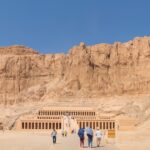
Luxor is a city that is filled with wonders and mysteries. Karnak Temple, Luxor Temple, Valley of the Kings, Valley of the Queens, and Colossi of Memnon are just a few of the incredible sites that Luxor has to offer. A journey through these sites is a journey through time, and it’s an experience that will stay with you forever.

Luxor Temple

Egypt is a country that is rich in history and culture, and Luxor is one of the places that truly captures the essence of this country. Luxor is located on the east bank of the Nile River, and it is often referred to as the world’s greatest open-air museum. This is because it is home to some of the most impressive ancient monuments in the world. In this article, we will take a journey through some of the most popular tourist attractions in Luxor, including Karnak Temple, Luxor Temple, Valley of the Kings, Valley of the Queens, and Colossi of Memnon.

Karnak Temple is one of the largest temple complexes in the world, and it is a must-visit when you are in Luxor. The temple was built over a period of 2000 years, and it is dedicated to the Theban triad of Amun, Mut, and Khonsu. The temple is famous for its hypostyle hall, which has 134 columns that are 23 meters tall. The temple also has numerous other structures, including the precinct of Montu, the temple of Ptah, and the temple of Ramses III.

Luxor Temple is another temple that you should not miss when you are in Luxor. The temple was built during the New Kingdom period, and it is dedicated to the god Amun. The temple is famous for its avenue of sphinxes, which leads to the temple’s entrance. The temple also has numerous other structures, including the temple of Ramses II, the temple of Amenhotep III, and the temple of Alexander the Great.

The Valley of the Kings is a must-visit when you are in Luxor. This valley is home to the tombs of pharaohs from the New Kingdom period, including the tomb of Tutankhamun. The valley is located on the west bank of the Nile River, and it is a UNESCO World Heritage Site. The valley has over 60 tombs, and each tomb is unique in its own way. The tombs are decorated with hieroglyphics, scenes from the pharaohs’ lives, and images of gods and goddesses.

The Valley of the Queens is another valley that you should visit when you are in Luxor. This valley is located next to the Valley of the Kings, and it is home to the tombs of queens and princes from the New Kingdom period. The most famous tomb in the valley is the tomb of Queen Nefertari, which is considered to be one of the most beautiful tombs in Egypt. The tomb is decorated with colorful scenes of the queen’s life and afterlife.

The Colossi of Memnon is another popular tourist attraction in Luxor. These two statues are located on the west bank of the Nile River, and they are the only remaining structures from the temple of Amenhotep III. The statues are 18 meters tall, and they depict the pharaoh sitting on his throne. The statues were damaged by an earthquake in ancient times, but they were restored during the Roman period.

Luxor is a city that is full of wonders, and it is a must-visit destination for anyone who is interested in history and culture. The city is home to some of the most impressive ancient monuments in the world, including Karnak Temple, Luxor Temple, Valley of the Kings, Valley of the Queens, and Colossi of Memnon. These attractions are not only impressive for their size and beauty, but they also offer a glimpse into the lives of the pharaohs who ruled Egypt thousands of years ago.

Valley of the Kings

Egypt is a country that is rich in history and culture. From the magnificent pyramids of Giza to the ancient temples of Abu Simbel, there are countless sites to explore. One of the most awe-inspiring destinations in Egypt is the city of Luxor, which is often referred to as the world’s greatest open-air museum. Luxor is located on the east bank of the Nile River and is home to some of the most impressive ancient monuments in the world. In this article, we will take you on a journey through some of Luxor’s most famous sites, including Karnak Temple, Luxor Temple, Valley of the Kings, Valley of the Queens, and the Colossi of Memnon.

Our journey begins with Karnak Temple, which is one of the largest temple complexes in the world. The temple was built over a period of 2,000 years and was dedicated to the god Amun. The complex covers an area of over 200 acres and contains numerous temples, halls, and chapels. The most impressive feature of Karnak Temple is the Great Hypostyle Hall, which contains 134 massive columns that stand over 70 feet tall. Walking through this hall is a truly humbling experience.

Next, we move on to Luxor Temple, which is located in the heart of the city. The temple was built by Amenhotep III and later expanded by Ramses II. It was dedicated to the god Amun and was a center of worship for over 2,000 years. The temple is famous for its colossal statues of Ramses II, which flank the entrance. The temple is also home to a beautiful avenue of sphinxes that once connected it to Karnak Temple.

Moving on to the Valley of the Kings, which is located on the west bank of the Nile River. This is the site where many of Egypt’s pharaohs were buried, including Tutankhamun and Ramses III. The valley contains over 60 tombs, each of which is adorned with intricate hieroglyphics and colorful murals. The most famous tomb in the valley is that of Tutankhamun, which was discovered in 1922 by Howard Carter. The tomb contains a treasure trove of artifacts, including the famous golden mask of Tutankhamun.

Next, we visit the Valley of the Queens, which is located adjacent to the Valley of the Kings. This is where many of the wives and children of the pharaohs were buried. The valley contains over 70 tombs, each of which is decorated with stunning artwork. The most famous tomb in the valley is that of Queen Nefertari, the wife of Ramses II. The tomb is renowned for its intricate murals, which depict scenes from the Book of the Dead.

Finally, we end our journey with a visit to the Colossi of Memnon, which are two massive statues that stand over 60 feet tall. The statues were built by Amenhotep III and were originally placed at the entrance of his mortuary temple. The statues are famous for the “singing” that was once heard emanating from one of them. The “singing” was caused by the wind passing through a crack in the statue and has since been silenced by restoration work.

a journey through Luxor is a journey through time. The ancient monuments that are found here are a testament to the ingenuity and skill of the ancient Egyptians. From the massive columns of Karnak Temple to the intricate murals of the Valley of the Queens, Luxor is a true wonder of the world. A visit to this city is a must for anyone interested in history, art, or culture.

Valley of the Queens

As we continue our journey through the wonders of Egypt’s Luxor, we now come to the Valley of the Queens. This is a place of great significance, as it is the final resting place of many of Egypt’s queens and their children. The valley is located on the west bank of the Nile, opposite the city of Luxor, and is home to over 70 tombs.

One of the most famous tombs in the Valley of the Queens is that of Queen Nefertari. This tomb is considered one of the most beautiful in all of Egypt, with its intricate and colorful wall paintings depicting scenes from the afterlife. The tomb was discovered in 1904 by Italian archaeologist Ernesto Schiaparelli, and has been well-preserved over the years.

Another notable tomb in the valley is that of Queen Titi. This tomb is unique in that it contains both the queen’s mummy and that of her daughter, Princess Baketaten. The tomb is also known for its colorful wall paintings, which depict scenes of the queen and her family in the afterlife.

In addition to the tombs, the Valley of the Queens also contains several temples and shrines. One of these is the Temple of Hathor, which was built by Queen Hatshepsut in honor of the goddess Hathor. The temple is known for its impressive columns and intricate carvings, and is a must-see for anyone visiting the valley.

Another temple in the valley is the Temple of Amunherkhepeshef. This temple was built for the son of Ramesses III, who was also a high priest of Amun. The temple contains several well-preserved wall paintings, including one depicting the young prince being presented to the gods.

As we leave the Valley of the Queens, we move on to our next destination: the Colossi of Memnon. These two massive statues of the pharaoh Amenhotep III once guarded the entrance to his mortuary temple, which has since been destroyed. The statues are over 18 meters tall and weigh an estimated 720 tons each.

Legend has it that the statues “sing” at dawn, due to the sound of the wind passing through the cracks in the stone. While this is likely just a myth, it has attracted visitors to the site for centuries.

Our final stop on this journey through Luxor is the Karnak Temple. This temple complex is one of the largest in the world, and was dedicated to the worship of the god Amun. The temple was built over several centuries, with each pharaoh adding their own contribution to the complex.

The most famous part of the Karnak Temple is the Great Hypostyle Hall. This hall contains 134 massive columns, each over 10 meters tall and weighing an estimated 70 tons. The hall is an impressive sight to behold, with the columns intricately carved with scenes from Egyptian mythology.

Another notable feature of the Karnak Temple is the Avenue of Sphinxes. This avenue once connected the Karnak Temple to the Luxor Temple, and was lined with over 1,300 sphinxes. While only a few of these sphinxes remain today, they are still an impressive sight to see.

Our journey through Luxor has taken us to some of the most impressive and awe-inspiring sites in all of Egypt. From the Valley of the Queens to the Colossi of Memnon and the Karnak Temple, we have witnessed the beauty and grandeur of ancient Egyptian civilization. It is a journey that will stay with us forever, and one that we highly recommend to anyone with an interest in history and culture.

Colossi of Memnon

Egypt is a country steeped in history, culture, and natural beauty. It’s no wonder that it’s a popular destination for tourists from all over the world. One of the most popular tourist destinations in Egypt is Luxor. Located on the east bank of the Nile River, Luxor is home to some of the most remarkable ancient Egyptian artifacts and monuments. Among these are the Karnak Temple, Luxor Temple, Valley of the Kings, Valley of the Queens, and Colossi of Memnon.

The Colossi of Memnon is one of the most iconic landmarks in Luxor. These two massive statues of the pharaoh Amenhotep III are situated on the west bank of the Nile River, just outside the modern city of Luxor. The statues are made of quartzite sandstone and stand at over 18 meters tall. They depict Amenhotep III seated on his throne, wearing the double crown of Upper and Lower Egypt.

The Colossi of Memnon have a fascinating history. They were originally part of a larger temple complex built by Amenhotep III in the 14th century BCE. The temple was dedicated to the god Amun, and the Colossi of Memnon were placed at its entrance as guardians. The temple was destroyed by an earthquake in 27 BCE, but the Colossi of Memnon survived.

Over the centuries, the Colossi of Memnon became a popular destination for travelers and pilgrims. In ancient times, visitors believed that the statues made a sound at dawn that was similar to the sound of a harp string being plucked. This phenomenon was attributed to the statue of Memnon, a hero of Greek mythology who was said to have been killed by Achilles during the Trojan War. In reality, the sound was caused by the expansion of the statues’ stone due to the heat of the rising sun.

In modern times, the Colossi of Memnon continue to be a popular tourist destination. Visitors can explore the area around the statues and take photos with them. There is also a small museum near the Colossi that houses artifacts from the temple complex that the statues once guarded.

Visiting the Colossi of Memnon is just one of the many things to do in Luxor. The city is home to some of the most impressive ancient Egyptian monuments, including the Karnak Temple and Luxor Temple. The Karnak Temple is one of the largest religious complexes in the world, covering an area of over 200 acres. It was built over a period of 2,000 years and is dedicated to the god Amun. The temple complex includes several temples, chapels, and other structures, as well as a sacred lake.

The Luxor Temple is another impressive ancient Egyptian monument. It was built by Amenhotep III and completed by Tutankhamun and Horemheb. The temple is dedicated to the god Amun and was used for religious ceremonies and festivals. It includes several structures, including a large hypostyle hall with 134 columns.

In addition to the Karnak Temple and Luxor Temple, Luxor is also home to the Valley of the Kings and Valley of the Queens. These two valleys are where many of the pharaohs and their consorts were buried. The tombs in these valleys are decorated with intricate paintings and hieroglyphics that tell the story of the pharaoh’s life and journey to the afterlife.

the Colossi of Memnon is just one of the many wonders of Luxor. Visitors to this ancient city can explore the Karnak Temple, Luxor Temple, Valley of the Kings, Valley of the Queens, and many other fascinating sites. Whether you’re interested in history, culture, or natural beauty, Luxor is sure to leave a lasting impression.

  • Print
  • +-
    Font Size