ROAMOPEDIA
Colossi of Memnon
Experience the grandeur of ancient Egypt with a visit to the Colossi of Memnon in Luxor.
“Experience the grandeur of ancient Egypt with a visit to the Colossi of Memnon in Luxor.”
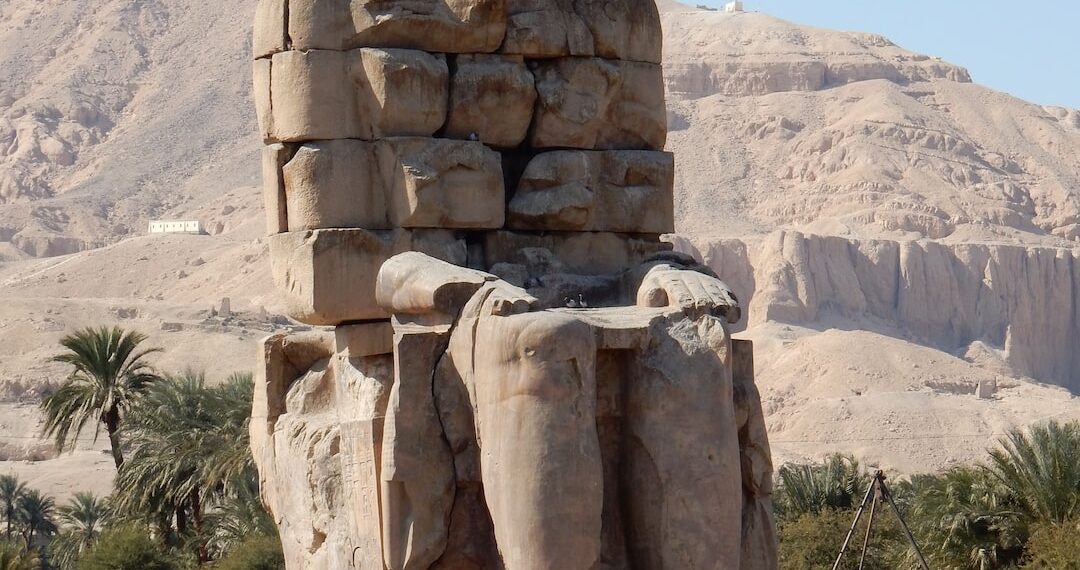
The Majestic Colossi of Memnon: A Glimpse into the Reign of Pharaoh Amenhotep III in Luxor, Egypt

Egypt is a country that is steeped in history and culture. It is a land of pharaohs, pyramids, and ancient temples. One of the most iconic sights in Egypt is the Colossi of Memnon. These two massive statues of Pharaoh Amenhotep III are located on the west bank of the Nile in Luxor. They are a testament to the greatness of ancient Egyptian civilization.

The Colossi of Memnon are made of quartzite sandstone and stand at a height of 18 meters each. They were originally constructed in 1350 BC to guard the entrance to Amenhotep III’s mortuary temple. The temple itself was destroyed by an earthquake in 27 BC, but the statues remained standing. Over time, they became a popular tourist attraction, and visitors began to believe that the statues made a sound when the sun rose.

Legend has it that the sound is the voice of Memnon, the son of Eos and Tithonus, who was killed by Achilles during the Trojan War. According to the legend, Memnon’s mother begged Zeus to bring her son back to life, and he granted her wish by turning Memnon into a statue that would sing every morning at sunrise. While this legend is not true, it did help to make the Colossi of Memnon even more famous.

The Colossi of Memnon are impressive not only for their size but also for their intricate details. The statues depict Pharaoh Amenhotep III wearing the royal headdress and a nemes headcloth. The nemes headcloth is a striped cloth that covers the head and shoulders and is a symbol of royalty. The pharaoh is also depicted wearing a false beard, which was a symbol of divinity in ancient Egypt.

The statues were carved from a single block of stone, which is an impressive feat. The stone was quarried from a site near Cairo and transported over 700 kilometers to Luxor. The transportation of the stone alone would have required a massive effort, but the carving of the statues was even more impressive. The craftsmen who created the Colossi of Memnon were skilled in their craft and were able to create intricate details on the statues, such as the pharaoh’s facial features and the folds of his clothing.

The Colossi of Memnon have undergone significant restoration work over the years to preserve them for future generations. In the 1970s, a German archaeological team carried out extensive restoration work on the statues. They also excavated the site where the mortuary temple once stood and uncovered a wealth of artifacts, including statues, inscriptions, and pottery.

Today, the Colossi of Memnon are a popular tourist attraction, and visitors from all over the world come to Luxor to see them. They are a testament to the greatness of ancient Egyptian civilization and serve as a reminder of the skill and craftsmanship of the people who created them.

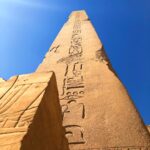
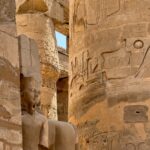
In addition to the Colossi of Memnon, there are many other ancient sites to see in Luxor. Luxor was once the capital of ancient Egypt, and as such, it is home to many temples and tombs. The most famous of these is the Karnak Temple Complex, which is one of the largest temple complexes in the world. The complex contains a vast array of temples, chapels, and other structures, many of which are decorated with intricate carvings and hieroglyphics.

Another popular site in Luxor is the Valley of the Kings, which is home to the tombs of many pharaohs, including Tutankhamun. The tombs are decorated with colorful murals and hieroglyphics, which depict scenes from the pharaohs’ lives and their journey to the afterlife.

Luxor is also home to the Luxor Temple, which was built in the 14th century BC and was dedicated to the god Amun. The temple is decorated with intricate carvings and hieroglyphics, and it was once the site of many important religious ceremonies.

In conclusion, the Colossi of Memnon are an iconic sight on the west bank of the Nile in Luxor. These massive statues of Pharaoh Amenhotep III are a testament to the greatness of ancient Egyptian civilization and serve as a reminder of the skill and craftsmanship of the people who created them. While they may not make a sound at sunrise, they are still an impressive sight to behold. Luxor is home to many other ancient sites, including the Karnak Temple Complex, the Valley of the Kings, and the Luxor Temple, all of which are well worth a visit for anyone interested in ancient Egyptian history and culture.

  • Print
  • +-
    Font Size