ROAMOPEDIA
Equatorial Guinea's Culture
Exploring Equatorial Guinea: Understanding the Country’s Culture and Customs
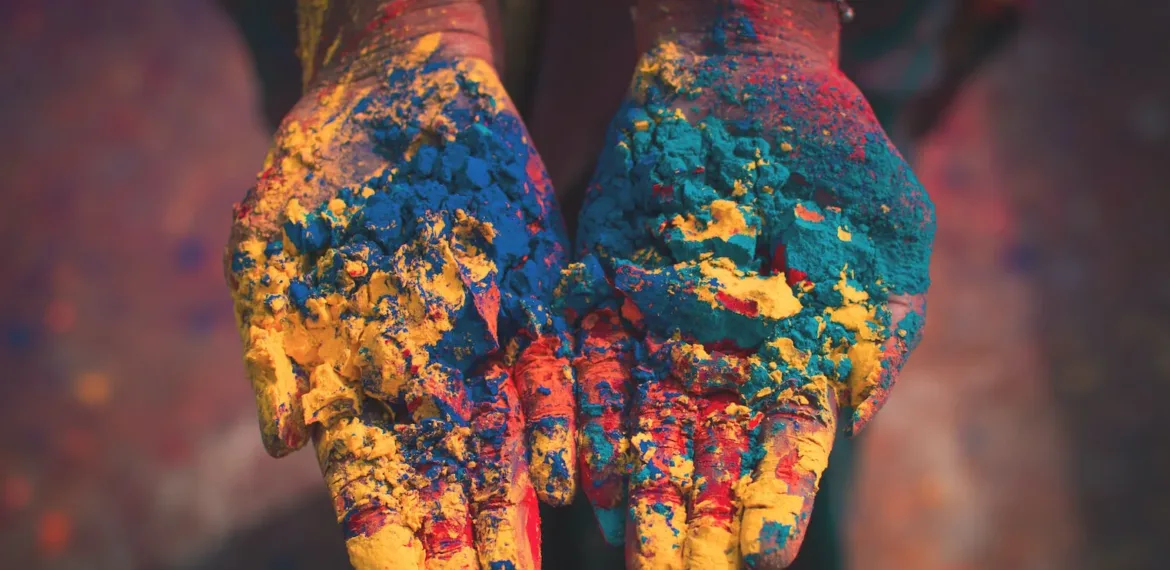
closeup photo of person holding color soils
“Discover Equatorial Guinea’s rich cultural heritage and avoid cultural missteps during your travels.”
Exploring Equatorial Guinea: Understanding the Country’s Culture and Customs

Equatorial Guinea is a small country located in Central Africa, bordered by Cameroon to the north, Gabon to the south and east, and the Gulf of Guinea to the west. The country is made up of two main regions, the mainland and the island of Bioko, which is home to the capital city, Malabo. Equatorial Guinea is a country with a rich cultural heritage, and understanding its customs and traditions can greatly enhance the travel experience.

Language

The official languages of Equatorial Guinea are Spanish, French, and Portuguese. Spanish is the most widely spoken language, and it is used in government, education, and business. However, many people in Equatorial Guinea also speak indigenous languages such as Fang, Bubi, and Igbo. It is always a good idea to learn a few basic phrases in the local language, as it can help you connect with the locals and show respect for their culture.

Traditions

Equatorial Guinea has a rich cultural heritage, with many traditions that have been passed down through generations. One of the most important traditions in Equatorial Guinea is the celebration of the country’s independence day on October 12th. This is a national holiday, and it is celebrated with parades, music, and dancing.

Another important tradition in Equatorial Guinea is the use of masks in ceremonies and festivals. Masks are used to represent spirits and ancestors, and they are often brightly colored and intricately designed. The use of masks is an important part of the country’s cultural heritage, and it is a way for people to connect with their ancestors and their spiritual beliefs.

Customs

Equatorial Guinea has many customs that are unique to the country. One of the most important customs is the practice of hospitality. In Equatorial Guinea, it is customary to welcome guests into your home and offer them food and drink. This is a way of showing respect and hospitality, and it is an important part of the country’s culture.

Another important custom in Equatorial Guinea is the practice of gift-giving. It is customary to bring a small gift when visiting someone’s home, and it is also common to exchange gifts during festivals and celebrations. Gifts are a way of showing appreciation and respect, and they are an important part of the country’s social customs.

Etiquette

When visiting Equatorial Guinea, it is important to be aware of the country’s etiquette. One of the most important things to remember is to dress modestly. Equatorial Guinea is a conservative country, and it is important to dress appropriately, especially when visiting religious sites or attending formal events.

It is also important to show respect for elders and people in positions of authority. In Equatorial Guinea, age and status are highly respected, and it is important to show deference to those who are older or in positions of authority.

When greeting someone in Equatorial Guinea, it is customary to shake hands and exchange pleasantries. It is also common to use titles such as “Mr.” or “Mrs.” when addressing someone, especially if they are older or in a position of authority.

Conclusion

In conclusion, understanding the culture and customs of Equatorial Guinea can greatly enhance the travel experience. From the country’s rich cultural heritage to its unique customs and traditions, Equatorial Guinea is a country with much to offer. By learning a few basic phrases in the local language, respecting the country’s customs and etiquette, and showing an interest in the country’s culture, travelers can gain a deeper appreciation for this fascinating country.

  • Print
  • +-
    Font Size