Exploring Equatorial Guinea’s Diverse Landscape: Mountains, Beaches, Forests, and Deserts
Equatorial Guinea: A diverse landscape with mountains, beaches, forests, and wildlife, offering endless opportunities for adventure.
Exploring Equatorial Guinea’s Diverse Landscape: Mountains, Beaches, Forests, and Deserts
Equatorial Guinea is a small country located in Central Africa, bordered by Cameroon to the north, Gabon to the south and east, and the Gulf of Guinea to the west. Despite its small size, Equatorial Guinea boasts a diverse landscape that includes mountains, beaches, forests, and deserts. This diversity makes it an ideal destination for travelers seeking a variety of outdoor activities.
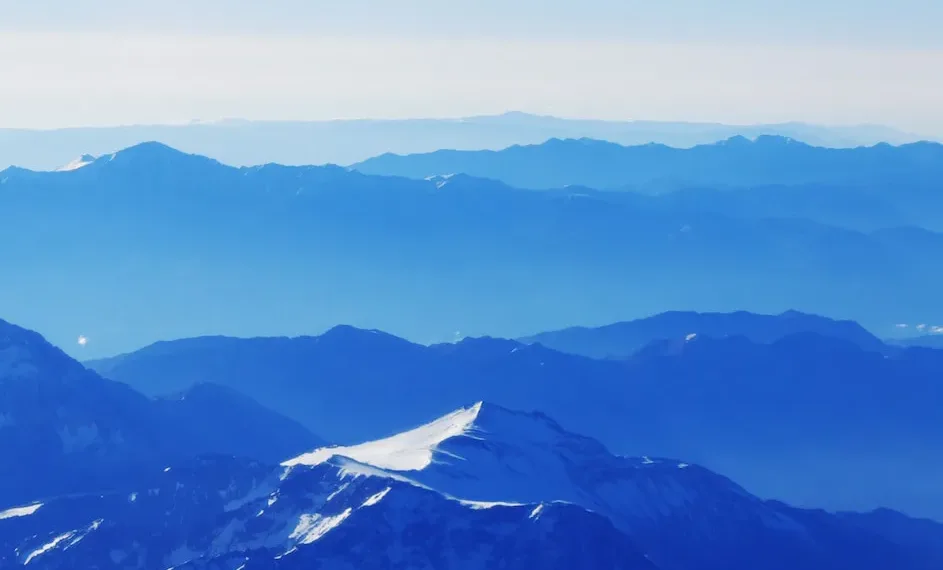
The country’s landscape is dominated by the Bioko Island, which is home to the country’s capital, Malabo. The island is volcanic in origin and is characterized by rugged terrain and steep mountains. The highest peak on the island is Pico Basile, which rises to an elevation of 3,011 meters. Hiking enthusiasts will find plenty of opportunities to explore the island’s mountainous terrain, with trails that range from easy to challenging.
In addition to its mountains, Equatorial Guinea is also home to some of the most beautiful beaches in Africa. The country’s coastline stretches for over 800 kilometers and is dotted with pristine beaches that offer a range of activities, from swimming and sunbathing to surfing and snorkeling. Some of the most popular beaches in the country include Sipopo Beach, Arena Blanca Beach, and Ureka Beach.
Equatorial Guinea’s forests are another major attraction for visitors. The country is home to some of the most biodiverse forests in Africa, with a variety of plant and animal species that are found nowhere else in the world. The Monte Alen National Park is one of the best places to explore the country’s forests, with hiking trails that take visitors through dense rainforests and past cascading waterfalls. The park is also home to a variety of wildlife, including gorillas, chimpanzees, and forest elephants.
For those seeking a more rugged adventure, Equatorial Guinea’s deserts offer a unique and challenging landscape to explore. The country’s mainland is dominated by the Rio Muni region, which is home to the country’s only desert, the Mbini Desert. The desert is characterized by vast expanses of sand dunes and rocky outcrops, and is home to a variety of wildlife, including antelopes, hyenas, and jackals. Visitors can explore the desert on foot or by 4×4 vehicle, and camping under the stars is a popular activity for those seeking a true wilderness experience.
In addition to its natural attractions, Equatorial Guinea is also home to a rich cultural heritage that is reflected in its architecture, music, and cuisine. The country’s colonial past is evident in its architecture, with many buildings dating back to the Spanish and Portuguese colonial periods. The country’s music is a fusion of African and European influences, with traditional rhythms and instruments blending with modern styles. Equatorial Guinea’s cuisine is also a reflection of its diverse cultural heritage, with dishes that draw on African, Spanish, and Portuguese culinary traditions.
In conclusion, Equatorial Guinea’s diverse landscape offers a wealth of opportunities for outdoor enthusiasts and cultural explorers alike. From its rugged mountains and pristine beaches to its biodiverse forests and challenging deserts, the country has something to offer everyone. Whether you’re seeking a challenging hike, a relaxing day at the beach, or a cultural immersion experience, Equatorial Guinea is a destination that should not be missed.