“Discover Fiji: Unveil the Tropical Paradise of Pristine Beaches, Rich Culture, and Enchanting Attractions”
Exploring Fiji’s Top Attractions: Uncovering Historical Sites, National Parks, and Cultural Festivals
Fiji, an archipelago of more than 300 islands in the South Pacific, is a tropical paradise known for its stunning beaches, lush landscapes, and vibrant culture. While many visitors come to Fiji to relax on its pristine shores, there is so much more to discover in this island nation. From historical sites and national parks to museums and cultural festivals, Fiji offers a wealth of attractions that will captivate and inspire travelers of all interests.
One of the most significant historical sites in Fiji is the ancient village of Levuka, located on the island of Ovalau. As the country’s first capital and a UNESCO World Heritage Site, Levuka offers a fascinating glimpse into Fiji’s past. The town’s well-preserved colonial architecture, including the Royal Hotel, St. John’s College, and the Sacred Heart Church, reflects the influence of European settlers who arrived in the 19th century. Visitors can also explore the remains of Fort Totogo, a hilltop fortress built by the indigenous people to defend against potential invaders.
Another historical site worth visiting is the Sigatoka Sand Dunes National Park, situated along the Coral Coast on the main island of Viti Levu. This unique park features a vast expanse of sand dunes, some reaching heights of up to 60 meters, which were formed over thousands of years by the wind and waves. The park is also an important archaeological site, as pottery shards, stone tools, and even human remains dating back 2,600 years have been discovered here. A visit to the Sigatoka Sand Dunes offers not only a chance to marvel at the striking landscape but also to learn about the ancient history of Fiji’s first inhabitants.
For nature enthusiasts, Fiji’s national parks provide ample opportunities to explore the country’s diverse ecosystems. Bouma National Heritage Park, located on the island of Taveuni, is a must-see destination for those seeking lush rainforests, cascading waterfalls, and vibrant wildlife. The park is home to the famous Tavoro Waterfalls, a series of three stunning falls that can be reached via a scenic hiking trail. Along the way, visitors can spot colorful birds, such as the orange dove and silktail, as well as rare orchids and other native flora.
Another national park that should not be missed is the Colo-i-Suva Forest Park, a rainforest reserve situated just a short drive from Fiji’s capital city, Suva. This park features a network of walking trails that wind through dense foliage, past crystal-clear pools, and alongside picturesque waterfalls. The park is also home to a variety of bird species, including the barking pigeon and the masked shining parrot, making it a popular destination for birdwatching.
In addition to its natural wonders, Fiji boasts a rich cultural heritage that can be experienced through its numerous museums and festivals. The Fiji Museum, located in Suva’s Thurston Gardens, offers a comprehensive overview of the country’s history, from its early settlement by the Lapita people to its more recent colonial past. The museum’s extensive collection includes traditional Fijian artifacts, such as war clubs, canoes, and pottery, as well as photographs and documents that chronicle Fiji’s journey to independence.
For a more immersive cultural experience, visitors should plan their trip to coincide with one of Fiji’s many vibrant festivals. The Hibiscus Festival, held annually in August, is one of the country’s largest and most popular events. This week-long celebration features a variety of activities, including live music, dance performances, and traditional Fijian arts and crafts. The festival culminates in a colorful parade, where participants don elaborate costumes and compete for the title of Miss Hibiscus.
Another notable festival is the Bula Festival, which takes place in the town of Nadi each July. This event showcases the best of Fijian culture, with traditional music and dance performances, food stalls offering local delicacies, and handicraft markets where visitors can purchase souvenirs. The Bula Festival also includes a series of competitions, such as the Bilibili race, where teams paddle down the Nadi River on bamboo rafts, and the Mr. and Miss Bula contest, which highlights the contestants’ knowledge of Fijian customs and traditions.
For those interested in Fiji’s indigenous culture, a visit to a traditional village is an unforgettable experience. Many villages throughout the islands offer guided tours, where visitors can learn about the customs and way of life of Fiji’s native people. One such village is Navala, nestled in the highlands of Viti Levu. Here, visitors can witness traditional thatched-roof houses, known as bures, and participate in a kava ceremony, a ritual that involves the preparation and consumption of a mildly intoxicating drink made from the kava root.
Fiji’s diverse attractions, from its historical sites and national parks to its museums and cultural festivals, offer travelers a wealth of experiences that go beyond the idyllic beaches for which the country is famous. Whether exploring ancient ruins, trekking through lush rainforests, or immersing oneself in the vibrant local culture, a visit to Fiji promises to be an unforgettable journey of discovery and inspiration.


Related
All related contents.
Related Posts

Relax and rejuvenate in the healing hot springs of Savusavu, Fiji.

Discover the natural beauty of Fiji’s Colo-i-Suva Forest Park with a breathtaking hike.

Unwind in paradise at Cloud 9, Fiji’s ultimate floating bar and pizzeria in the heart of the Mamanuca Islands.

Explore the treasures of Fiji’s past at the Fiji Museum in Suva.

Escape to paradise on Fiji’s Denarau Island – where luxury meets leisure.

Discover the vibrant culture and stunning beauty of Fiji in Nadi.
Discover the hidden paradise of Fiji in Savusavu.

Explore the wonders of nature at Bouma National Heritage Park, Taveuni Island, Fiji.

Discover the secrets of Fiji’s past at Sigatoka Sand Dunes National Park.
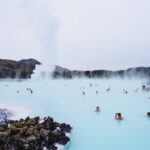
Escape to paradise at Fiji’s Yasawa Islands, home to the legendary Blue Lagoon.
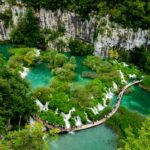
Discover the vibrant world beneath the surface of Fiji’s Beqa Island and Beqa Lagoon.
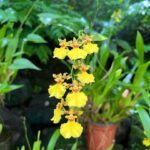
Discover the beauty of Fiji’s flora at Garden of the Sleeping Giant in Nadi.

Experience championship-level sports at Denarau Golf and Racquet Club in Fiji’s stunning Denarau Island.

Fiji – Tourism and travel highlights

Discover the rich history of Fiji’s past in Levuka, a UNESCO World Heritage Site.

Explore the wonders of underwater paradise at Kadavu Island’s Great Astrolabe Reef in Fiji.

Discover nature’s beauty on Fiji’s Garden Island, Taveuni.

Immerse yourself in the rich traditions of Fiji at Arts Village, Pacific Harbour.
Experience the blend of history and modernity in Fiji’s capital city, Suva.