“Experience Timeless Traditions: Seurasaari Open-Air Museum – Where Helsinki Meets Authentic Finnish Heritage”

Related
All related contents.
Related Posts

Discover the wonders of Tampere, Finland – where city and nature meet.

Old Porvoo: Timeless Charm Amidst Cobblestones and Colors

Discover the enchanting blend of history, culture, and nature in Lappeenranta, Finland.

Finland – Tourism and travel highlights

Experience Espoo’s Enchantment: Nuuksio National Park – Your Gateway to Finland’s Untouched Wilderness

Discover the Enchantment: Olavinlinna Castle – A Timeless Lakeside Treasure Uniting History, Beauty, and Opera in Savonlinna, Finland
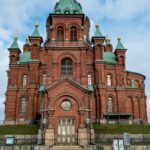
Uspenski Cathedral – Helsinki’s Architectural Gem Reflecting Finland’s Eastern Orthodox Heritage

Experience the Magic of Helsinki: Discover Temppeliaukio Church – Carved in Rock, Reverberating with Soul

Experience the Magic: Rovaniemi’s Santa Claus Village – Where Christmas Comes Alive!

Experience Helsinki’s Heartbeat: Market Square – Savor Local Flavors, Shop Souvenirs, and Immerse in Finnish Life

Imatra: Experience the Majestic Imatrankoski Rapids – A Timeless Testament to Nature’s Power

Discover the beauty of nature and culture in Lahti, Finland.

Discover the cultural and natural wonders of Pori, Finland.
Embrace the Arctic Wonder: Kemi SnowCastle – Unforgettable Icy Escapes in the Heart of Finland

Discover the charm of Savonlinna, where history meets culture in the heart of Finland’s Lake District.

Discover the charm of Finland’s oldest city – Turku.
Turku
Finland is a country that is known for its stunning natural beauty, from its vast forests to its crystal-clear lakes. However, there is also a rich history and culture to discover in Finland’s cities, and one of the most fascinating is Turku, the oldest city in Finland. Located on the southwest coast of Finland, Turku has a long and storied history that dates back to the 13th century.One of the most iconic landmarks in Turku is Turku Castle, which was built in the 1280s. The castle has served as a fortress, a royal residence, and a prison over the centuries, and today it is open to the public as a museum. Visitors can explore the castle’s many rooms and learn about its history, including the time when it was used as a prison for political dissidents.Another must-visit attraction in Turku is the Turku Cathedral, which is the largest and most important church in Finland. The cathedral was built in the 13th century and has been the site of many important events in Finnish history, including the coronation of several Finnish kings. Visitors can admire the cathedral’s beautiful Gothic architecture and learn about its rich history.For those interested in art and culture, the Turku Art Museum is a must-visit destination. The museum is housed in a beautiful Art Nouveau building and features a wide range of Finnish and international art, from contemporary works to classic pieces. The museum also hosts regular exhibitions and events, making it a great place to discover new artists and explore the Finnish art scene.One of the best ways to explore Turku’s rich history is by taking a walk through the city’s Old Town. The Old Town is home to many historic buildings and landmarks, including the Turku Cathedral and the Turku Market Square. Visitors can stroll along the cobblestone streets and admire the colorful buildings, many of which date back to the 18th and 19th centuries.Turku is also known for its vibrant culinary scene, with plenty of restaurants and cafes serving up delicious Finnish cuisine. For a true taste of the region, be sure to try some of the local specialties, such as smoked salmon, reindeer stew, and Karelian pies. There are also plenty of cafes and bakeries where you can sample traditional Finnish pastries and cakes.If you’re looking for a unique shopping experience, Turku has plenty to offer as well. The city is home to many independent boutiques and shops, selling everything from handmade crafts to designer clothing. The Turku Market Hall is also a great place to explore, with dozens of vendors selling fresh produce, meats, and other local specialties.For those who love the outdoors, Turku is surrounded by beautiful natural scenery, including the stunning Archipelago Sea. Visitors can take a boat tour of the archipelago, which is made up of over 20,000 islands, and explore the rugged coastline and pristine beaches. There are also plenty of hiking and biking trails in the area, making it a great destination for outdoor enthusiasts.Overall, Turku is a city that is rich in history, culture, and natural beauty. Whether you’re interested in exploring the city’s historic landmarks, sampling its delicious cuisine, or simply enjoying the stunning scenery, there is something for everyone in Turku. So why not plan a trip to Finland’s oldest city and discover all that it has to offer?
Turku Castle
Turku is a picturesque city situated in the southwest coast of Finland. It is the oldest city in the country and has a rich history that dates back to the 13th century. Turku is known for its beautiful archipelago, stunning natural landscapes, and vibrant cultural scene. One of the most iconic landmarks in the city is the Turku Castle, which has stood for over 700 years and has witnessed many historical events.The Turku Castle was originally built in the late 13th century by the Swedish Crown as a fortress to protect the city from invaders. Over the centuries, the castle has been expanded and rebuilt several times, reflecting the changing architectural styles and needs of the time. Today, the castle is a popular tourist attraction and a must-see for anyone visiting Turku.The castle has a rich history, and visitors can learn about it by exploring the various exhibitions and displays. One of the most fascinating parts of the castle is the medieval castle keep, which is the oldest part of the castle and dates back to the 1280s. The castle keep is a four-story tower that served as a defensive structure during times of war. Visitors can climb up to the top of the tower and enjoy a stunning view of the city and the surrounding landscape.Another interesting part of the castle is the banquet hall, which was added in the 16th century. This hall was used for grand feasts and events during the time of the Swedish rule. The hall is beautifully decorated with tapestries, paintings, and other artworks, which give visitors a glimpse into the lavish lifestyle of the Swedish nobility.The castle also houses a museum that showcases the history of the castle and the city of Turku. The museum has a vast collection of artifacts, including weapons, armor, and other objects that were used during the medieval times. Visitors can learn about the various battles and wars that took place in the region and the role that the castle played in these events.Apart from the historical significance, the Turku Castle is a beautiful architectural masterpiece. The castle has a unique blend of Gothic, Renaissance, and Baroque styles, reflecting the different periods of its construction. The castle is surrounded by a moat and a beautiful park, which adds to its charm and beauty.Visitors can also participate in various activities and events that are held at the castle throughout the year. These include guided tours, concerts, theater performances, and other cultural events. The castle is also a popular venue for weddings and other special occasions, providing a unique and unforgettable experience for the guests.the Turku Castle is a must-see attraction for anyone visiting Turku. The castle has a rich history, stunning architecture, and beautiful surroundings that make it a unique and unforgettable experience. Visitors can learn about the medieval times, the Swedish rule, and the various battles and wars that took place in the region. They can also enjoy the various activities and events that are held at the castle throughout the year. The Turku Castle is a true gem of the city and a testament to its rich cultural heritage.
Turku Cathedral
Turku Cathedral is a must-see attraction for anyone visiting Turku, Finland’s oldest city. This impressive church is a testament to the city’s rich history and its importance as a cultural and religious center.The cathedral is located in the heart of Turku’s historic district and is easily recognizable by its distinctive twin spires. It was built in the 13th century and has undergone several renovations over the years, including a major restoration in the 19th century.The interior of the cathedral is equally impressive, with soaring arches, intricate carvings, and beautiful stained glass windows. The altar is particularly noteworthy, featuring a stunning altarpiece that depicts scenes from the life of Christ.One of the most interesting features of the cathedral is the crypt, which is located beneath the main floor. This underground chamber is home to a fascinating collection of historical artifacts, including medieval tombstones, ancient pottery, and even a mummified bishop.Visitors can also climb the cathedral’s tower for a panoramic view of the city. The climb is steep, but the view from the top is definitely worth the effort.In addition to its architectural and historical significance, Turku Cathedral is also an active place of worship. Regular church services and concerts are held here throughout the year, and visitors are welcome to attend.If you’re visiting Turku, be sure to make time to explore this magnificent cathedral. It’s a great way to connect with the city’s past and experience its rich cultural heritage.
Aboa Vetus & Ars Nova Museum
Finland is a country that is known for its natural beauty, but it also has a rich history that is worth exploring. Turku, the oldest city in Finland, is a great place to start. This city is located on the southwest coast of Finland and has been an important center for trade and culture for centuries. In this article, we will explore the Aboa Vetus & Ars Nova Museum, one of the most interesting museums in Turku.The Aboa Vetus & Ars Nova Museum is a combination of two museums: the Aboa Vetus Museum and the Ars Nova Museum. The Aboa Vetus Museum is an archaeological museum that showcases the history of Turku from the Middle Ages to the 19th century. The Ars Nova Museum is a contemporary art museum that exhibits modern and contemporary art from Finland and other Nordic countries.The museum is located in the center of Turku, in the old part of the city. The building itself is a work of art, with a modern glass façade that contrasts with the surrounding historical buildings. The museum has several galleries that showcase different exhibitions. The exhibitions are constantly changing, so there is always something new to see.One of the most interesting exhibitions in the Aboa Vetus Museum is the medieval Turku exhibition. This exhibition showcases the history of Turku from the 13th century to the 16th century. It includes artifacts from the medieval period, such as coins, pottery, and weapons. The exhibition also includes a replica of a medieval street, complete with houses and shops.Another interesting exhibition in the Aboa Vetus Museum is the 18th-century Turku exhibition. This exhibition showcases the history of Turku in the 18th century, when the city was a center for trade and culture. It includes artifacts from this period, such as furniture, clothing, and paintings.The Ars Nova Museum is also worth a visit. This museum showcases modern and contemporary art from Finland and other Nordic countries. The exhibitions are always changing, so there is always something new to see. The museum also has a great café, where you can enjoy a cup of coffee or a snack while taking in the art.One of the most interesting exhibitions in the Ars Nova Museum is the video art exhibition. This exhibition showcases video art from Finland and other Nordic countries. The videos are displayed on large screens and are accompanied by sound. The exhibition is a great way to experience contemporary art in a unique way.The Aboa Vetus & Ars Nova Museum is a great way to explore the history and culture of Turku. The museum is open all year round and is a great place to visit on a rainy day. The museum is also family-friendly, with activities for children and families. There is something for everyone at the Aboa Vetus & Ars Nova Museum.Turku is a city that is full of history and culture. The Aboa Vetus & Ars Nova Museum is a great way to explore this history and culture in a unique way. The museum is a combination of two museums, the Aboa Vetus Museum and the Ars Nova Museum, and showcases the history of Turku from the Middle Ages to the present day. The exhibitions are always changing, so there is always something new to see. If you are visiting Turku, be sure to visit the Aboa Vetus & Ars Nova Museum.
Turku Archipelago
Turku, located on the southwest coast of Finland, is the country’s oldest city and boasts a rich history that dates back to the 13th century. The city’s location on the Aura River and its proximity to the Turku Archipelago has made it an important center for trade and commerce for centuries. Today, Turku is a vibrant city that offers visitors a blend of history, culture, and natural beauty.One of the best ways to explore Turku is by taking a walking tour of the city’s historic center. The tour will take you through the narrow streets and alleyways of the old town, where you can admire the well-preserved buildings and learn about the city’s past. Some of the highlights of the tour include the Turku Castle, which was built in the 13th century and served as the seat of Finnish kings, and the Turku Cathedral, which dates back to the 14th century and is one of the most iconic landmarks in Finland.Another must-see attraction in Turku is the Turku Art Museum, which is located in a beautiful Art Nouveau building that was built in 1904. The museum’s collection includes works by Finnish and international artists, as well as temporary exhibitions that showcase contemporary art. If you’re interested in history and archaeology, you should also visit the Aboa Vetus & Ars Nova Museum, which combines two museums in one. The first part of the museum focuses on Turku’s medieval history, while the second part showcases contemporary art and design.One of the most unique aspects of Turku is its location on the Turku Archipelago, which consists of over 20,000 islands and islets. The archipelago is a popular destination for boating, fishing, and outdoor activities, and offers visitors a chance to explore some of the most beautiful and unspoiled natural landscapes in Finland. There are several companies that offer boat tours of the archipelago, as well as opportunities to rent a kayak or a canoe and explore the islands on your own.If you’re looking for a more relaxing way to enjoy the natural beauty of Turku, you should visit the city’s many parks and green spaces. The most popular park in Turku is the Kupittaa Park, which covers an area of over 70 hectares and features a wide range of recreational activities, including a swimming pool, a playground, and a skatepark. Other parks worth visiting include the Turku University Botanical Garden, which is home to over 5,000 plant species, and the Ruissalo Island, which is a nature reserve that offers visitors a chance to see rare bird species and other wildlife.Turku is a city that offers visitors a unique blend of history, culture, and natural beauty. Whether you’re interested in exploring the city’s medieval past, enjoying contemporary art and design, or simply relaxing in the great outdoors, Turku has something for everyone. So why not plan a trip to Turku and discover one of Finland’s most fascinating cities for yourself?

Discover Helsinki’s Timeless Treasure: Suomenlinna Sea Fortress – A UNESCO World Heritage Experience
Experience the Magic of Helsinki at Linnanmäki Amusement Park – Finland’s Family Adventure Destination!

Discover the charm of Helsinki, where history and modernity meet.

Experience the wonder of the Arctic and meet Santa Claus himself in Rovaniemi, Finland.

Turku Castle: Embrace the Legacy of Finland’s History in its Timeless Walls

Experience Tampere’s Särkänniemi Amusement Park: Unleash the Thrills, Dive into Adventure, Soar among Stars!

Experience the perfect blend of technology, nature, and culture in Finland’s vibrant city of Oulu.

Ascend Puijo Tower in Kuopio, Finland: Where Lakes, Forests, and Panoramic Vistas Unite.

Discover the natural beauty and savory flavors of Kuopio, Finland.