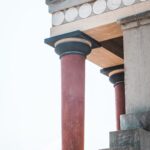
Discover the enchanting Achilleion Palace in Corfu, where Empress Elisabeth’s legacy lives on through exquisite gardens and timeless neoclassical elegance.
“Discover the enchanting Achilleion Palace in Corfu, where Empress Elisabeth’s legacy lives on through exquisite gardens and timeless neoclassical elegance.”
Exploring Greece: A Visit to Corfu’s Achilleion Palace and Its Neoclassical Beauty
Achilleion Palace, located on the lush island of Corfu in Greece, is a breathtaking testament to the beauty of neoclassical architecture and the grandeur of European royalty. Built in the late 19th century for the Empress Elisabeth of Austria, the palace is set against the backdrop of the azure Ionian Sea and verdant hills of Corfu. This stunning palace, with its meticulously landscaped gardens and impressive collection of sculptures, offers visitors a glimpse into the life of one of Europe’s most enigmatic monarchs, while simultaneously showcasing the natural beauty of the region.
The story behind the palace’s construction is a tale of love, tragedy, and the pursuit of solace. Empress Elisabeth of Austria, affectionately known as Sisi, was a woman of great beauty and intelligence, but also immense sadness. Struggling with the strictures of her royal life and mourning the loss of her only son, Crown Prince Rudolf, Sisi sought refuge in the peaceful island of Corfu. It was here that she decided to build a palace that would serve as her sanctuary from the world.
The Empress’s affinity for Greek mythology and culture was evident in the design and naming of her palace. Achilleion, as it came to be known, was named after the Greek hero Achilles, whose strength and resilience Sisi greatly admired. The palace’s architectural style, characterized by its white marble columns and grand facades, is a nod to the neoclassical movement that was popular during the late 19th century. This design trend drew inspiration from the art and architecture of ancient Greece and Rome, and can be seen in various elements throughout the palace.
As you approach the palace, you will be struck by its majestic appearance. The entrance is flanked by two imposing marble statues of Greek warriors, and the palace itself rises majestically into the sky, with its many columns and intricate friezes. The building’s exterior is made of white marble, which gleams in the bright Corfiot sun, creating an ethereal atmosphere that seems to transport you back in time.
Upon entering the palace, you will find yourself in a world of opulence and elegance. The interior is adorned with magnificent frescoes, marble statues, and countless pieces of fine art. The grand staircase, which leads to the upper floors, is a particularly awe-inspiring sight, with its polished marble steps and ornate handrails. The Empress’s love for Greek mythology is apparent in the intricate frescoes that cover the walls and ceilings, depicting scenes from ancient myths and legends.
The palace’s many rooms are equally impressive, each one showcasing a different aspect of the Empress’s life and her love for the arts. The grand ballroom, for example, features exquisite crystal chandeliers and floor-to-ceiling mirrors, creating an atmosphere of pure luxury and refinement. The Empress’s bedroom, on the other hand, is a more intimate space, with its soft pastel colors and delicate furnishings. Here, you can truly get a sense of the woman behind the title – a sensitive and complex individual who sought comfort and seclusion in her beloved Achilleion.
However, it is the palace’s gardens that truly steal the show. Spread across several terraced levels, the gardens are a masterpiece of landscape design, meticulously planned and maintained to create a harmonious and enchanting outdoor space. Strolling through the gardens, you will encounter an array of flora and fauna, as well as several water features, including fountains and cascading streams. The scents of jasmine, rose, and lavender fill the air, while the sound of birdsong and rustling leaves creates a soothing and serene atmosphere.
One of the most striking features of the gardens is the collection of marble sculptures that are scattered throughout the grounds. Many of these statues are inspired by Greek mythology, with figures such as Apollo, Zeus, and Hera making appearances. However, it is the statue of Achilles that truly takes center stage. Standing at the highest point of the gardens, the towering bronze figure of the Greek hero gazes out towards the sea, his gaze seemingly following the path of the distant ships as they navigate the Ionian waters.
The statue is a fitting tribute to the hero for whom the palace was named, but it also serves as a poignant reminder of the Empress’s own struggles and her search for inner peace. In many ways, the palace and its gardens are a reflection of Sisi’s soul – a beautiful and complex tapestry of light and shadow, strength and vulnerability.
Over the years, the Achilleion Palace has changed hands several times. After the Empress’s death, it was purchased by the German Kaiser Wilhelm II, who added his own touches to the palace and its grounds, including a now-iconic statue of Achilles. Following World War II, the palace was used as a military hospital and later a casino before eventually being acquired by the Greek state. Today, it is open to the public and serves as a museum, allowing visitors to experience the splendor and history that this remarkable place has to offer.
A visit to Corfu would be incomplete without a trip to Achilleion Palace. This architectural gem and its stunning gardens offer a fascinating insight into the life of Empress Elisabeth, as well as a taste of the beauty and richness of Greek culture and history. Whether you are a history buff, a lover of beautiful landscapes, or simply someone seeking a unique and unforgettable experience, the Achilleion Palace is a must-see destination on the enchanting island of Corfu. As you wander through the palace’s grand halls and lush gardens, you will no doubt feel the spirit of Sisi still lingering, her legacy forever etched in the marble columns and statues that make this palace such a remarkable and enduring testament to her love for Greece and its people.