Exploring the Colonial Architecture and Vibrant Local Life of Bissau’s Portuguese Quarter in Guinea-Bissau
Nestled on the western coast of Africa, Guinea-Bissau is a small yet captivating country that is often overlooked by tourists. However, those who do venture to this hidden gem are rewarded with an unforgettable experience. Among the many wonders that Guinea-Bissau has to offer, the city of Bissau stands out as a must-see destination. And within the city of Bissau lies the Portuguese Quarter, a charming neighborhood with colonial architecture, narrow streets, and vibrant local life.
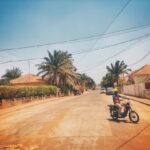
The Portuguese Quarter is a throwback to the colonial era, when Guinea-Bissau was a Portuguese colony. The neighborhood is located in the heart of Bissau and is one of the city’s oldest and most picturesque areas. The streets are narrow and winding, with old buildings and houses that have been preserved in their original colonial style. The Portuguese Quarter is a great place to explore on foot, as the streets are filled with interesting sights and sounds.
One of the most striking features of the Portuguese Quarter is its architecture. The buildings are characterized by their colorful facades, intricate wrought-iron balconies, and tiled roofs. Many of the buildings have been restored in recent years, preserving their original colonial charm. Some of the most notable buildings in the Portuguese Quarter include the Governor’s Palace, the Presidential Palace, and the National Assembly.
The Portuguese Quarter is also a great place to experience the local culture of Guinea-Bissau. The neighborhood is home to many small shops and businesses, where locals sell everything from fresh produce to handmade crafts. Visitors can wander through the streets, taking in the sights and sounds of daily life in Bissau. The locals are friendly and welcoming, and many are happy to chat and share stories about their lives in Guinea-Bissau.
One of the best ways to experience the local culture of the Portuguese Quarter is to visit one of the many restaurants and cafes in the area. These establishments serve up traditional African and Portuguese cuisine, as well as a variety of international dishes. Visitors can sample local delicacies like grilled fish, rice, and beans, or try more familiar dishes like pizza and pasta. Many of the restaurants and cafes have outdoor seating, allowing diners to enjoy the warm African breeze while they eat.
For those who enjoy shopping, the Portuguese Quarter is a great place to find unique souvenirs and gifts. The neighborhood is home to many small shops and boutiques, selling everything from handmade crafts to traditional African clothing. Visitors can browse through the shops, looking for one-of-a-kind items to take home with them. Bargaining is a common practice in Guinea-Bissau, so visitors should be prepared to haggle over prices.
One of the best times to visit the Portuguese Quarter is during one of the neighborhood’s many festivals and celebrations. Throughout the year, the residents of the Portuguese Quarter host a variety of cultural events, including music festivals, food fairs, and religious ceremonies. These events are a great way to experience the rich cultural heritage of Guinea-Bissau, as well as to interact with the local community.
Overall, the Portuguese Quarter is a charming neighborhood that offers visitors a glimpse into the colonial past and vibrant present of Guinea-Bissau. The architecture, culture, and local life of the neighborhood make it a must-see destination for anyone visiting Bissau. Visitors can spend hours wandering through the narrow streets, admiring the colorful buildings, and sampling the local cuisine. The Portuguese Quarter is a hidden gem that is waiting to be discovered by adventurous travelers.