ROAMOPEDIA
Beaches
Goa: A Coastal Wonderland – Where Beaches Sparkle, Cultures Blend, and Nightlife Enchants!
Goa: A Coastal Wonderland – Where Beaches Sparkle, Cultures Blend, and Nightlife Enchants!”
Coastal Paradise: Exploring Goa’s Pristine Beaches and Vibrant Culture

Goa, a coastal paradise nestled in the western corner of India, is a land that effortlessly combines the richness of Indian and Portuguese cultures, with its pristine beaches and vibrant nightlife forming the heart and soul of this enchanting destination. The smallest state in India, Goa is a treasure trove of experiences waiting to be unfolded by both jaded travelers seeking solace and rejuvenation and adventure enthusiasts looking for a thrilling sojourn.

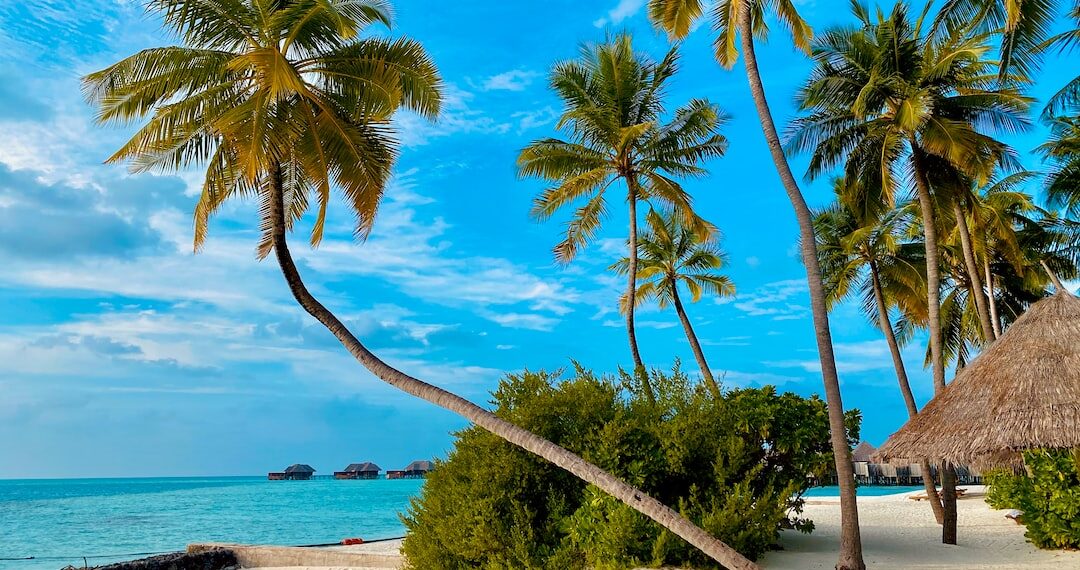
As one steps into Goa, the first thing that captivates the senses is its 100-kilometer-long coastline that boasts of picturesque beaches, each with its own unique charm. The sandy shores of Goa are not just a place for sunbathing and swimming but also a hub for various water sports such as parasailing, windsurfing, and scuba diving. The beaches are fringed with swaying palm trees, creating a tropical ambiance that is hard to resist.

The northern part of Goa is known for its bustling and lively beaches like Baga, Calangute, and Anjuna. Baga Beach, named after the Baga Creek, is a popular destination for tourists and locals alike, with its water sports, vibrant shacks, and flea markets. Calangute Beach, also known as the ‘Queen of Beaches,’ is the largest and most frequented beach in North Goa. It offers a plethora of activities, from shopping at its vibrant markets to indulging in scrumptious Goan delicacies at its beachside shacks. Anjuna Beach, on the other hand, is famous for its Wednesday flea market, where one can find an assortment of merchandise, from clothes and accessories to spices and handicrafts.

Contrastingly, the southern part of Goa is home to serene and tranquil beaches like Palolem, Agonda, and Cola, where one can escape the hustle and bustle of city life and relax in the lap of nature. Palolem Beach, with its crescent-shaped coastline, crystal-clear waters, and swaying palms, is a haven for peace-seekers. Agonda Beach, a nesting site for the endangered Olive Ridley sea turtles, is an ideal spot for those who wish to witness the miracle of life as these turtles lay their eggs. Cola Beach, a hidden gem, is known for its natural lagoon surrounded by coconut groves, making it an ideal destination for a romantic getaway.

The vibrant nightlife of Goa is another aspect that sets it apart from other beach destinations in India. From beach shacks to clubs and pubs, the state has something to offer every nocturnal soul. Tito’s Lane in Baga is a popular party hotspot, with its numerous bars and clubs, such as Tito’s, Mambo’s, and Cape Town Café, where one can dance the night away. For a more laid-back experience, one can head to Curlies Beach Shack in Anjuna, known for its psychedelic trance parties and idyllic setting.

The blend of Indian and Portuguese cultures is evident in every aspect of Goan life, from its architecture and cuisine to its music and dance. The quaint streets of Old Goa and Panjim, the state capital, showcase the perfect amalgamation of these two distinct cultures. The whitewashed churches, such as the Basilica of Bom Jesus, which houses the relics of St. Francis Xavier, and Se Cathedral, the largest church in Asia, stand as a testament to the Portuguese influence on the state.

The Portuguese influence is also savored in the Goan cuisine, which is a delightful fusion of Indian and Portuguese flavors. The iconic Goan dish, vindaloo, which was originally a Portuguese dish called ‘vinho e alhos,’ is now a spicy curry made with vinegar, garlic, and Kashmiri red chilies. The seafood is abundant in Goa, and one cannot leave without trying the Goan fish curry, a delectable dish made with fresh catch cooked in a coconut-based curry. The traditional Goan dessert Bebinca, a layered pudding made of flour, sugar, ghee, and coconut milk, is a must-try for those with a sweet tooth.

Festivals in Goa are celebrated with great enthusiasm, be it Christian, Hindu, or Muslim. The state comes alive during the annual Carnival, a legacy of the Portuguese, held in February. The streets are filled with colorful floats, masked dancers, and brass bands, with people dressed in vibrant costumes, celebrating the spirit of life. The Shigmo Festival, a Hindu festival, marks the arrival of spring and is celebrated with traditional dances like the Ghode Modni and Fugdi, accompanied by the rhythmic beats of the dhol and tasha.

For those who wish to explore the cultural and historical aspects of Goa, the state has numerous museums and art galleries. The Museum of Christian Art, located in Old Goa, houses a rich collection of Indo-Portuguese Christian art, including sculptures, paintings, and textiles. The Goa Chitra Museum in Benaulim is an ethnographic museum showcasing the traditional Goan lifestyle, with its collection of over 4,000 artifacts related to agriculture, fishing, and other crafts.

The adventure enthusiasts can satiate their adrenaline rush with various water sports and activities available in Goa, from parasailing and windsurfing at Baga and Calangute beaches to scuba diving and snorkeling at Grande Island. For those who prefer land-based adventures, trekking to the Dudhsagar Falls, a four-tiered waterfall located in the Bhagwan Mahaveer Sanctuary, is a must, as it offers a breathtaking view of the cascading waters amidst the lush greenery of the Western Ghats.

In conclusion, Goa is a coastal paradise that has something for everyone, be it pristine beaches, vibrant nightlife, or a blend of Indian and Portuguese cultures. With its myriad experiences and warm hospitality, it is no wonder that travelers from across the globe are lured to this enchanting destination, making it a must-visit on every traveler’s bucket list.

  • Print
  • +-
    Font Size