ROAMOPEDIA
Naples
Discover the heart and soul of Italy in Naples, where ancient history meets modern vibrancy.
“Discover the heart and soul of Italy in Naples, where ancient history meets modern vibrancy.”
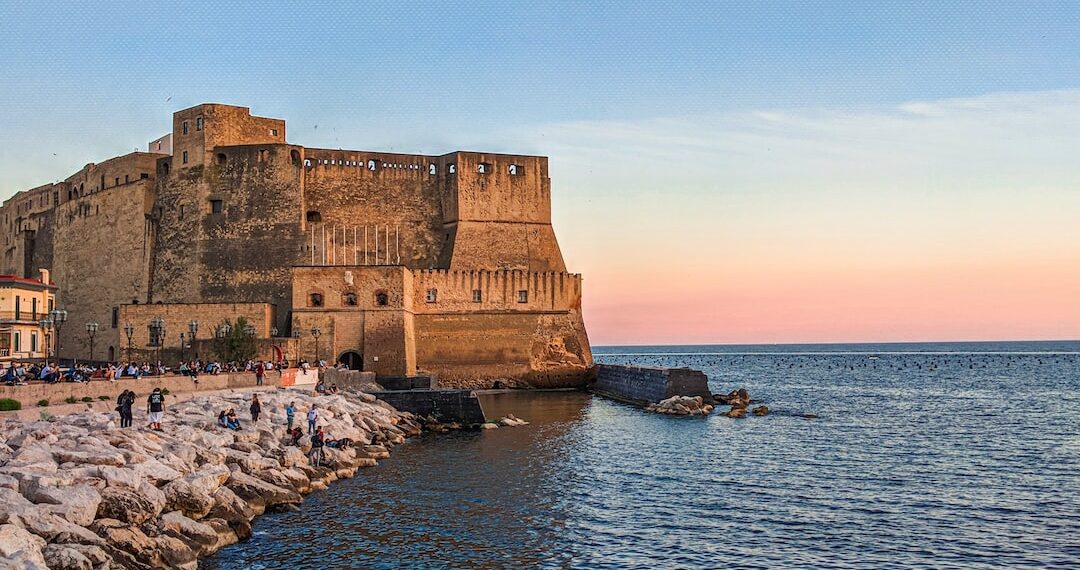
Naples

Italy is a country that is rich in culture, history, and beauty. From the rolling hills of Tuscany to the stunning beaches of Sicily, Italy has something to offer every traveler. One city that should not be missed when visiting Italy is Naples.

Located in the southern region of Italy, Naples is known for its delicious pizza, stunning architecture, and vibrant street life. The city has a rich history that dates back to the ancient Greeks and is home to some of the most significant archaeological sites in the world. Naples is also a great place to use as a base to explore the surrounding areas, including the Amalfi Coast and the island of Capri.

One of the most iconic sights in Naples is Mount Vesuvius. This active volcano famously destroyed the nearby city of Pompeii in 79 AD and is still considered one of the most dangerous volcanoes in the world. Visitors can take a guided tour of the volcano and hike to the crater for breathtaking views of the surrounding landscape.

Another must-see attraction in Naples is the Royal Palace of Naples. This stunning building was built in the 17th century and served as the royal residence for the Bourbon Kings of Naples. Today, visitors can tour the palace and see the opulent furnishings and decorations that were once used by the royal family.

Of course, no visit to Naples would be complete without indulging in some of the city’s famous pizza. Naples is considered the birthplace of pizza, and the city takes its pizza very seriously. The most traditional pizza in Naples is the margherita, which is made with fresh tomato sauce, mozzarella cheese, and basil. Visitors can find delicious pizza at almost any pizzeria in the city, but some of the most famous include Pizzeria Da Michele and Pizzeria Sorbillo.

Naples is also known for its vibrant street life. The city is full of markets, street performers, and lively outdoor cafes. One of the most famous streets in Naples is Spaccanapoli, which literally translates to “Naples splitter” because it splits the city in half. This narrow street is lined with shops, cafes, and historic buildings and is a great place to explore the city’s vibrant culture.

For those looking to escape the hustle and bustle of the city, Naples is also a great base for exploring the surrounding areas. The Amalfi Coast is just a short drive from Naples and is known for its stunning views and picturesque towns. Visitors can take a boat tour of the coast or explore the towns of Amalfi, Positano, and Ravello. Another popular day trip from Naples is the island of Capri. This beautiful island is known for its crystal-clear waters, stunning rock formations, and luxurious boutiques.

Naples is a city that should not be missed when visiting Italy. From its iconic volcano to its delicious pizza, Naples has something to offer every traveler. The city’s rich history, vibrant culture, and stunning architecture make it a must-see destination for anyone traveling to Italy. Whether you’re exploring the city’s bustling streets or using it as a base to explore the surrounding areas, Naples is sure to leave a lasting impression on anyone who visits.

Pompeii

Italy is a country with a rich history and culture that has captivated the world for centuries. One of the most fascinating places to visit in Italy is Pompeii, an ancient Roman city that was buried under volcanic ash and pumice after the eruption of Mount Vesuvius in AD 79. Today, Pompeii is a UNESCO World Heritage site and attracts millions of visitors every year.

Walking through the streets of Pompeii is like taking a step back in time. The city was remarkably well-preserved by the volcanic ash that covered it, and many of the buildings, streets, and even some of the people who lived there are still visible today. Visitors can explore the ruins of the city and get a glimpse into what life was like in ancient Rome.

One of the most impressive features of Pompeii is the amphitheater. This massive structure could seat up to 20,000 people and was used for gladiator games, animal hunts, and other public spectacles. Today, visitors can stand in the center of the arena and imagine what it must have been like to watch these events unfold.

Another highlight of Pompeii is the House of the Faun, one of the largest and most impressive houses in the city. This grand residence was owned by a wealthy merchant and features beautiful frescoes, intricate mosaics, and a stunning central courtyard. Visitors can wander through the rooms and marvel at the level of detail and craftsmanship that went into building this ancient home.

For those interested in the daily life of Pompeii’s residents, a visit to the Forum is a must. This was the heart of the city, where people gathered to conduct business, socialize, and worship. The Forum is surrounded by impressive buildings, including the Temple of Jupiter, the Basilica, and the Macellum, a market where vendors sold everything from food to clothing.

But Pompeii isn’t just about ancient history. The city is also home to a number of excellent museums that showcase the artifacts and treasures that have been uncovered at the site. The National Archaeological Museum of Naples is one of the best, featuring a vast collection of Roman art, artifacts, and mosaics. Visitors can see everything from ancient Roman jewelry and pottery to the famous Alexander Mosaic, a stunning work of art that depicts the Battle of Issus between Alexander the Great and Darius III.

Of course, no visit to Pompeii would be complete without sampling some of the local cuisine. The region is known for its delicious pizza, pasta, and seafood dishes, as well as its excellent wines. Visitors can dine at one of the many restaurants in the area or visit a local market to pick up fresh ingredients and cook their own meals.

Overall, Pompeii is a must-visit destination for anyone interested in ancient history, archaeology, or Italian culture. The city’s well-preserved ruins, impressive structures, and fascinating artifacts provide a unique glimpse into the past and offer a rich and rewarding travel experience. Whether you’re a history buff, a foodie, or just looking for a unique adventure, Pompeii is sure to delight and inspire.

Mount Vesuvius

Italy is a country with rich history, culture and beautiful landscapes. One of the most fascinating natural wonders in Italy is Mount Vesuvius. Located in the Campania region of Italy, Mount Vesuvius is a stratovolcano that is known for its devastating eruption in 79 AD, which destroyed the Roman cities of Pompeii and Herculaneum.

Mount Vesuvius is considered one of the most dangerous volcanoes in the world because of its proximity to the densely populated city of Naples. It is also one of the most active volcanoes in Europe, with its last eruption occurring in 1944. Despite its potential danger, Mount Vesuvius is a popular tourist attraction, with thousands of people visiting the volcano every year.

Visitors to Mount Vesuvius can hike to the top of the volcano and witness the stunning views of the surrounding landscape. The hike to the summit is challenging, but it is worth the effort. The trail is well-maintained, and there are several rest stops along the way. The hike takes approximately 45 minutes to an hour, depending on your fitness level.

At the top of Mount Vesuvius, visitors can see the crater of the volcano, which is approximately 600 meters in diameter and 200 meters deep. The crater is constantly changing, with new vents forming and old ones closing. Visitors can also see steam rising from the crater, which is a sign of the volcano’s activity.

Mount Vesuvius is not only a natural wonder but also an important historical site. The eruption of Mount Vesuvius in 79 AD was one of the most significant volcanic eruptions in history. The eruption buried the Roman cities of Pompeii and Herculaneum under a thick layer of ash and pumice, preserving them for almost 2,000 years. Today, visitors can explore the ruins of these ancient cities and see firsthand how the people lived before the eruption.

The eruption of Mount Vesuvius in 79 AD was also significant because it was one of the first recorded natural disasters in history. The eruption was witnessed and recorded by the Roman historian Pliny the Younger, who described the event in detail. Pliny’s writings are still used today as a primary source of information about the eruption.

Despite the potential danger of Mount Vesuvius, the volcano has become an important source of tourism for the region. Visitors to Mount Vesuvius can also explore the nearby towns of Pompeii and Herculaneum, which offer a glimpse into life in ancient Rome. The towns were buried under a thick layer of ash and pumice, which preserved them for almost 2,000 years. Today, visitors can see the ruins of the towns, including houses, shops, and public buildings.

Mount Vesuvius is a natural wonder that is both beautiful and dangerous. Visitors to the volcano can witness stunning views of the surrounding landscape and explore the ruins of the ancient Roman cities of Pompeii and Herculaneum. The volcano is also an important historical site, with its eruption in 79 AD being one of the most significant volcanic eruptions in history. Despite its potential danger, Mount Vesuvius has become an important source of tourism for the region, attracting thousands of visitors every year.

National Archaeological Museum

Italy is a country steeped in history, culture, and art. It is home to some of the world’s most famous landmarks, including the Colosseum, the Leaning Tower of Pisa, and the Vatican City. However, one of the lesser-known treasures of Italy is the National Archaeological Museum.

Located in Naples, the National Archaeological Museum is one of the most important archaeological museums in the world. It houses a vast collection of artifacts from ancient Rome, Greece, and Egypt, including sculptures, mosaics, and pottery.

The museum was founded in the late 18th century by the Bourbon king, Charles VII of Naples. He was a great patron of the arts and was interested in preserving the ancient heritage of his kingdom. Over the years, the collection grew and expanded, and the museum became a center of research and conservation.

One of the most impressive exhibits in the museum is the Farnese Collection. This collection was acquired by the Bourbon kings from the Farnese family, who were one of the most powerful and influential families in Renaissance Italy. The collection includes some of the most famous sculptures in the world, including the Farnese Hercules and the Farnese Bull.

The Farnese Hercules is a massive marble statue of the mythological hero, Hercules. It was created in the 2nd century AD and is one of the largest and most detailed depictions of Hercules ever created. The statue depicts Hercules in a moment of rest after completing one of his twelve labors. The muscles of his body are perfectly defined, and his expression is one of exhaustion and satisfaction.

The Farnese Bull is another masterpiece of ancient sculpture. It depicts the mythological story of Dirce, a queen who was tied to a wild bull by her husband’s jealous daughters. The bull is shown in a moment of rage, with its hooves kicking up dust and its head lowered. The sculpture is incredibly detailed, with every muscle and vein of the bull’s body perfectly rendered.

Another fascinating exhibit in the museum is the Secret Cabinet. This collection of erotic art was originally created for the enjoyment of the Bourbon kings and their guests. The collection includes a variety of objects, including vases, sculptures, and frescoes, all depicting erotic scenes and themes. The Secret Cabinet was closed to the public for many years, but it was reopened in the 2000s after a major renovation.

The National Archaeological Museum is not just a place for ancient art and artifacts; it is also a center for research and education. The museum offers a variety of educational programs for students of all ages, including workshops, lectures, and guided tours. It also has a library and research center, where scholars can study and analyze the museum’s collections.

the National Archaeological Museum in Naples is a hidden gem of Italy’s cultural heritage. It is a testament to the country’s rich history and artistic legacy, and it offers visitors a fascinating glimpse into the ancient world. Whether you are a history buff, an art lover, or just curious about the past, the National Archaeological Museum is a must-see destination in Italy.

Castel dell’Ovo

Italy is a country that is known for its beautiful architecture, rich history, and delicious cuisine. One of the most popular destinations in Italy is the city of Naples, which is located in the southern part of the country. One of the most popular attractions in Naples is Castel dell’Ovo, which is a castle that is located on a small island in the Bay of Naples.

Castel dell’Ovo is a medieval castle that was built in the 12th century. The castle was built on a small island that is known as the Island of Megaride. The castle was originally built as a fortification to protect the city of Naples from invaders. The name Castel dell’Ovo means “Castle of the Egg” in Italian. The name comes from a legend that says that the Roman poet Virgil placed an egg in the foundation of the castle to protect it from destruction.

The castle has a rich history and has been used for a variety of purposes over the years. It has been used as a royal residence, a prison, and a military fortress. Today, the castle is open to the public and is a popular tourist attraction. Visitors can explore the castle and learn about its history.

One of the most impressive features of Castel dell’Ovo is its location. The castle is located on a small island in the Bay of Naples, which provides stunning views of the city and the surrounding area. Visitors can take a boat to the island and explore the castle. The castle is surrounded by a moat and has a drawbridge that leads to the entrance.

Inside the castle, visitors can explore the various rooms and learn about the castle’s history. One of the most impressive rooms in the castle is the Sala dei Baroni, which is a large hall that was used for banquets and other events. The room has beautiful frescoes on the ceiling that depict scenes from Greek mythology.

Another impressive feature of Castel dell’Ovo is the tower, which offers stunning views of the city and the surrounding area. Visitors can climb to the top of the tower and take in the breathtaking views. The tower is also home to a small museum that displays artifacts from the castle’s history.

In addition to exploring the castle, visitors can also enjoy the beautiful gardens that surround the castle. The gardens are filled with beautiful flowers and offer a peaceful escape from the hustle and bustle of the city.

Overall, Castel dell’Ovo is a must-see attraction for anyone visiting Naples. The castle’s rich history, stunning architecture, and beautiful location make it one of the most popular attractions in the city. Whether you are a history buff or simply looking for a beautiful place to explore, Castel dell’Ovo is definitely worth a visit.

Piazza del Plebiscito

Italy is a country that is steeped in history and culture. From the ancient ruins of Rome to the stunning beauty of the Amalfi Coast, there is no shortage of things to see and do in this incredible country. One of the most iconic landmarks in Italy is the Piazza del Plebiscito, located in the heart of Naples.

The Piazza del Plebiscito is a large public square that was built in the early 19th century. It is surrounded by impressive buildings, including the Royal Palace of Naples and the Church of San Francesco di Paola. The square is named after the plebiscite that was held in 1860, which led to the unification of Italy.

The Piazza del Plebiscito is a popular spot for tourists and locals alike. It is a great place to relax and take in the beautiful surroundings. The square is also home to a number of events throughout the year, including concerts and festivals.

One of the most impressive features of the Piazza del Plebiscito is the Royal Palace of Naples. This stunning building was built in the 17th century and was the residence of the Bourbon kings of Naples. Today, the palace is open to the public and houses a number of museums and art galleries.

Another impressive building in the square is the Church of San Francesco di Paola. This beautiful church was built in the early 19th century and is modeled after the Pantheon in Rome. The church is dedicated to Saint Francis of Paola, who is the patron saint of seafarers.

The Piazza del Plebiscito is also home to a number of cafes and restaurants. Visitors can enjoy a cup of coffee or a delicious meal while taking in the stunning views of the square. There are also a number of shops and boutiques in the area, making it a great place to do some shopping.

If you are planning a trip to Naples, a visit to the Piazza del Plebiscito is a must. This iconic square is a true symbol of the city and is a great place to experience the culture and history of Italy. Whether you are interested in art, architecture, or simply want to relax and enjoy the surroundings, the Piazza del Plebiscito has something for everyone.

Italy is a country that is full of incredible landmarks and attractions, and the Piazza del Plebiscito is certainly one of them. This beautiful square is a true symbol of Naples and is a great place to experience the culture and history of Italy. Whether you are a history buff, an art lover, or simply want to relax and enjoy the beautiful surroundings, the Piazza del Plebiscito is a must-visit destination.

  • Print
  • +-
    Font Size