ROAMOPEDIA
Piazza del Campo
Discover Siena’s Piazza del Campo: Europe’s medieval gem boasting a unique shell-shaped square and the exhilarating Palio horse race.
“Discover Siena’s Piazza del Campo: Europe’s medieval gem boasting a unique shell-shaped square and the exhilarating Palio horse race.”
Unveiling Italy’s Treasures: Siena’s Piazza del Campo and the Palio Horse Race

Picture yourself standing in the heart of one of Europe’s most enchanting medieval squares, where the rich history of a bygone era envelops you as you walk on centuries-old cobblestones. This is the experience of visiting Siena, a stunning city nestled in the picturesque Tuscan hills of Italy. At the heart of Siena lies the Piazza del Campo, the city’s principal public space and one of Europe’s most unique and captivating medieval squares. Boasting a distinctive shell shape, the Piazza del Campo is renowned for its architectural splendor, rich historical significance, and the famous Palio horse race that takes place twice a year.

The first thing that strikes visitors upon entering the Piazza del Campo is its unique shape. The square is divided into nine segments, each representing one of the ruling families of Siena at the time of its construction in the 13th century. This shell-like concave design creates a sense of unity and harmony while also providing an awe-inspiring sense of scale. The piazza’s gentle slope further adds to its charm, ensuring that the square is not just an architectural marvel, but also a functional and comfortable space for people to gather and celebrate.

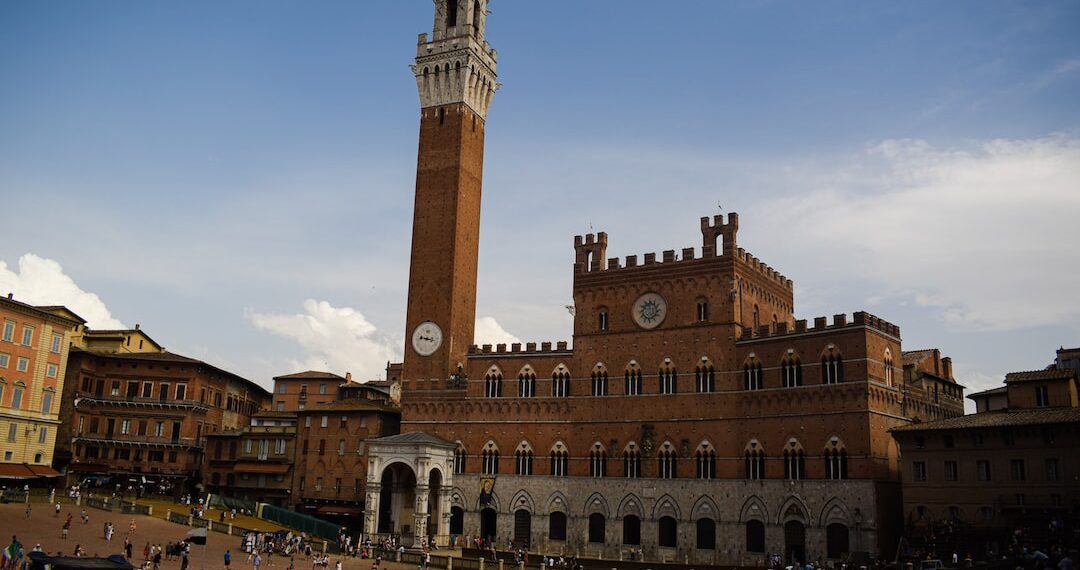
Another remarkable aspect of the Piazza del Campo is the stunning architecture that surrounds it. The square is framed by magnificent and well-preserved medieval buildings, such as the Palazzo Pubblico, a masterpiece of Gothic architecture that serves as Siena’s city hall. The palazzo’s imposing structure is adorned with elegant arched windows, intricate sculptures, and a striking bell tower known as the Torre del Mangia. This 102-meter tall tower not only dominates the Siena skyline but also offers breathtaking panoramic views of the city from its top.

Adjacent to the Palazzo Pubblico is another architectural gem, the Fonte Gaia. This ornate 15th-century fountain is a focal point of the square and an important symbol of Siena’s history. The original marble fountain, which has been replaced by a replica due to weathering, is adorned with striking bas-reliefs and statues depicting scenes from Siena’s rich past. The Fonte Gaia serves not only as a beautiful piece of art but also as a reminder of the city’s historical relationship with water, as it was once the endpoint of an elaborate and ambitious system of underground aqueducts that brought fresh water to the city.

While the architecture and design of the Piazza del Campo transport visitors back in time, it is the vibrant atmosphere and lively events that truly animate the square. The Piazza del Campo is a bustling hub of activity, with people from all walks of life coming together to relax, socialize, and enjoy the beauty of this extraordinary space. Cafes and restaurants spill out onto the square, providing a perfect setting for indulging in some of Italy’s finest culinary delights while soaking in the enchanting ambiance of the piazza.

However, the most famous and exhilarating event that takes place in the Piazza del Campo is undoubtedly the Palio horse race. Held twice a year on July 2nd and August 16th, the Palio is a thrilling, high-stakes race that sees ten of Siena’s seventeen districts, or “contrade,” compete for glory and bragging rights. The origins of the Palio date back to the 13th century, making it one of the oldest horse races in the world.

The days leading up to the Palio are filled with excitement and anticipation, as the city of Siena comes alive with colorful processions, lively music, and spirited rivalries. Each participating contrada has its own unique emblem and colors, and the members proudly display their allegiance through flags, scarves, and clothing. The sense of camaraderie and competition between the contrade is palpable, as each district vies for the coveted prize: a hand-painted silk banner known as the “palio.”

On the day of the race, the Piazza del Campo is transformed into a racetrack, with a thick layer of dirt laid over the cobblestones and protective barriers erected around the square’s perimeter. Tens of thousands of spectators pack into the piazza, their excitement reaching fever pitch as the race draws near. The race itself is a heart-stopping spectacle, as ten bareback riders and their horses hurtle around the Piazza del Campo at breakneck speeds, their skill and courage on full display. The race is over in just a few exhilarating minutes, but the celebrations continue long into the night, as the winning contrada revels in their hard-earned victory.

The Palio is not just a thrilling sporting event, but also a deeply ingrained part of Siena’s cultural identity. The race serves as a reminder of the city’s proud history and traditions, fostering a sense of unity and pride among the people of Siena. For visitors, the Palio is an unforgettable experience, showcasing the passion and spirit of this enchanting city.

Beyond the Palio, the Piazza del Campo also hosts a number of other events throughout the year, including open-air concerts, art exhibitions, and food festivals. These events further cement the piazza’s status as the beating heart of Siena and a place where people from all walks of life can come together to celebrate and enjoy the best that this remarkable city has to offer.

Siena’s Piazza del Campo is truly one of Europe’s greatest medieval squares, offering a unique and captivating blend of architectural splendor, historical significance, and vibrant cultural events. Whether marveling at the stunning Palazzo Pubblico, relaxing by the Fonte Gaia, or experiencing the adrenaline-pumping excitement of the Palio horse race, visitors to the Piazza del Campo are sure to be captivated by the magic and allure of this remarkable space. The piazza is not just a testament to Siena’s rich history, but also a living, breathing example of the city’s enduring spirit and charm.

  • Print
  • +-
    Font Size