Discovering the Wonders of Kenya’s Masai Mara National Reserve: Witness the Great Migration and the Big Five
Kenya’s Masai Mara National Reserve is a world-famous wildlife reserve that is home to the Great Migration and the Big Five. This reserve is located in the southwestern part of Kenya and covers an area of 1,510 square kilometers. The Masai Mara National Reserve is named after the Maasai people who have lived in the area for centuries. In this article, we will explore the Masai Mara National Reserve, its wildlife, and why it is such a popular tourist destination.
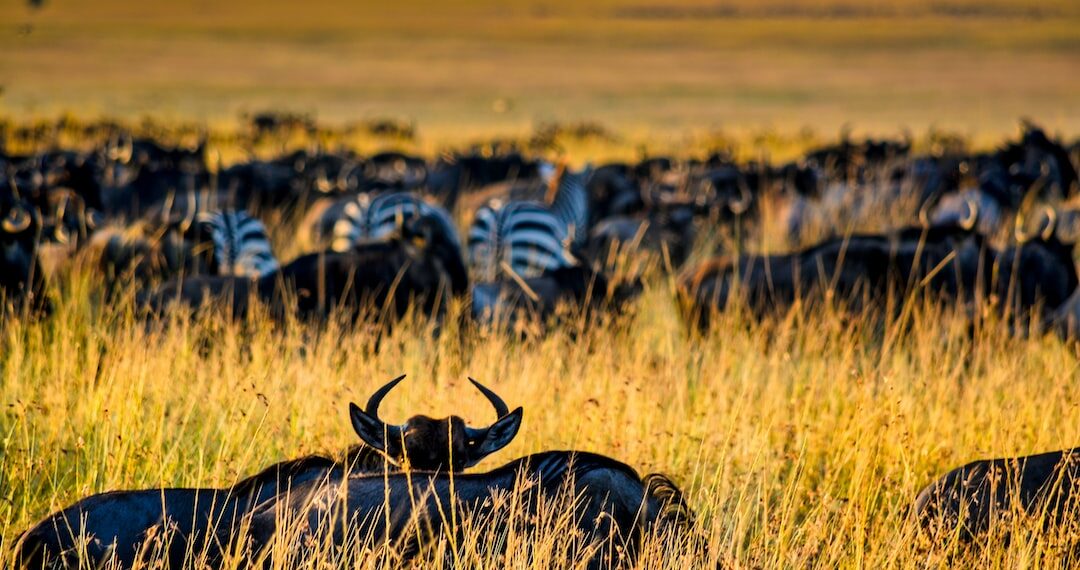
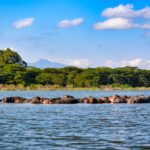
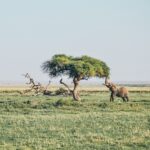
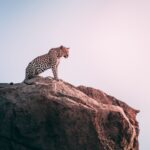
The Masai Mara National Reserve is known for its diverse wildlife, which includes lions, leopards, elephants, buffalos, and rhinos. These five animals are known as the Big Five and are considered the most dangerous animals to hunt in Africa. They are also the most sought-after animals by safari-goers. The reserve is also home to other animals such as zebras, giraffes, wildebeests, and hippos. The reserve is also known for the Great Migration, which is the annual migration of over 1.5 million wildebeests, zebras, and gazelles from the Serengeti in Tanzania to the Masai Mara in Kenya.
The Masai Mara National Reserve is divided into two parts: the Mara Triangle and the Mara North Conservancy. The Mara Triangle is managed by the Trans-Mara County Council, while the Mara North Conservancy is managed by a private company. The Mara Triangle is the most popular part of the reserve and is known for its open grasslands and abundant wildlife. The Mara North Conservancy is less crowded and is known for its private game reserves and luxury lodges.
The Masai Mara National Reserve is also known for its cultural heritage. The Maasai people, who have lived in the area for centuries, still practice their traditional way of life and are known for their colorful clothing and beadwork. Visitors to the reserve can experience the Maasai culture by visiting a Maasai village or attending a traditional dance performance.
One of the best ways to experience the Masai Mara National Reserve is through a safari. Safaris are guided tours that take visitors through the reserve in search of wildlife. There are several types of safaris available, including game drives, walking safaris, and hot air balloon safaris. Game drives are the most popular type of safari and are usually conducted in a 4×4 vehicle. Walking safaris are for the more adventurous and allow visitors to explore the reserve on foot. Hot air balloon safaris are a unique way to experience the reserve and provide breathtaking views of the wildlife and landscape.
Visitors to the Masai Mara National Reserve should be prepared for the weather. The reserve has a tropical climate with two rainy seasons: the long rains from March to May and the short rains from October to December. The best time to visit the reserve is during the dry season from July to October when the wildlife is most active. The reserve can also be visited during the Great Migration from July to October.
Accommodation in the Masai Mara National Reserve ranges from luxury lodges to tented camps. The lodges offer all the comforts of home, while the tented camps provide a more authentic safari experience. The lodges and tented camps are located in different parts of the reserve, so visitors should choose their accommodation based on their preferences and budget.
In conclusion, the Masai Mara National Reserve is a world-famous wildlife reserve that is home to the Great Migration and the Big Five. The reserve is divided into two parts: the Mara Triangle and the Mara North Conservancy. The reserve is also known for its cultural heritage, with the Maasai people still practicing their traditional way of life. Visitors to the reserve can experience the wildlife and culture through a safari or by visiting a Maasai village. The best time to visit the reserve is during the dry season from July to October, and accommodation ranges from luxury lodges to tented camps. The Masai Mara National Reserve is a must-visit destination for anyone interested in wildlife and culture.