Exploring the Untamed Beauty of Samburu National Reserve in Kenya
Kenya’s Samburu National Reserve is a remote and rugged expanse of land located in the northern part of the country. This reserve is home to unique wildlife species and stunning landscapes that are sure to leave visitors in awe. Samburu National Reserve is situated on the banks of the Ewaso Ng’iro River, which draws in a variety of wildlife and creates a lush oasis in the midst of the dry and dusty landscape.
The reserve covers an area of 165 km² and is home to a variety of flora and fauna. The Samburu people, who are indigenous to this region, have lived here for centuries and have developed a deep understanding of the land and its inhabitants. Their knowledge and expertise are invaluable in maintaining the delicate balance between wildlife conservation and human settlement.
One of the unique features of Samburu National Reserve is the ‘Samburu Special Five.’ These are five rare and endemic species that can only be found in this area. They include the Grevy’s zebra, reticulated giraffe, beisa oryx, Somali ostrich, and gerenuk. These animals are a sight to behold and are a testament to the diversity and richness of life in this reserve.
The Grevy’s zebra is the largest and most endangered species of zebra in the world. They are easily distinguishable from other zebra species due to their narrow stripes, big ears, and white belly. They are mainly found in northern Kenya and Ethiopia and are critically endangered due to habitat loss and hunting.
The reticulated giraffe, on the other hand, is the most distinct giraffe species due to its net-like pattern on its coat. They are also taller than other giraffe species and have a smaller and more defined patchwork of brown spots. They are mainly found in northern Kenya, Ethiopia, and Somalia.
The beisa oryx is a large antelope that is well adapted to the arid and semi-arid regions of East Africa. They have long, straight horns and distinctive black and white markings on their face. They are mainly found in Kenya and Ethiopia and are classified as near threatened due to habitat loss and hunting.
The Somali ostrich, also known as the blue-necked ostrich, is a subspecies of the common ostrich. They have distinctive blue necks, grey-brown feathers, and long, powerful legs. They are mainly found in the Horn of Africa and are classified as vulnerable due to habitat loss and hunting.
Lastly, the gerenuk, also known as the giraffe gazelle, is a long-necked antelope that is well adapted to the arid and semi-arid regions of East Africa. They have a unique body shape that allows them to stand on their hind legs and reach high branches and leaves. They are mainly found in Kenya, Tanzania, and Somalia and are classified as least concern.
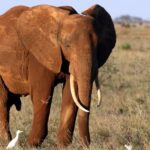
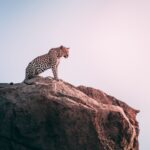
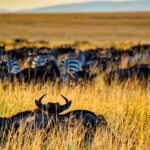
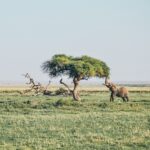
Apart from the ‘Samburu Special Five,’ the reserve is also home to a wide variety of other wildlife species. These include elephants, lions, leopards, cheetahs, hyenas, jackals, and a variety of antelope species. Visitors can enjoy game drives, guided walks, and cultural tours to learn more about the wildlife and indigenous communities that call this reserve home.
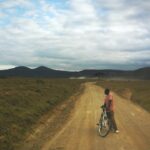
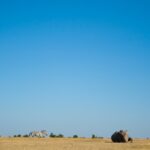
Samburu National Reserve is not only home to unique wildlife species but also boasts stunning scenery and landscapes. The reserve is situated in a semi-arid region, which means that it experiences long dry spells punctuated by occasional rainfall. This creates a contrast between the dry and dusty plains and the lush green vegetation that surrounds the Ewaso Ng’iro River.
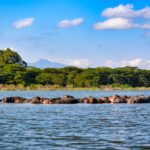
Visitors can enjoy breathtaking views of the riverine forest, rocky hills, and savannah plains that make up this reserve. The Uaso Nyiro River, which is the lifeblood of the reserve, meanders through the landscape and creates a haven for wildlife and bird species.
The reserve is also home to a variety of bird species, including the Somali ostrich, martial eagle, African pygmy falcon, and vulturine guineafowl. Birdwatchers can enjoy guided tours to learn more about the different species and their habitats.
In addition to wildlife and birdwatching, visitors can also enjoy cultural tours to learn more about the Samburu people and their way of life. The Samburu are semi-nomadic pastoralists who have lived in this region for centuries. They have a rich culture and traditions that are deeply intertwined with the land and its resources.
Visitors can learn more about the Samburu people’s way of life, including their traditional dress, food, and housing. They can also witness traditional ceremonies such as the ‘Eunoto’ and ‘Moran’ ceremonies, which are rites of passage for Samburu boys.
In conclusion, Samburu National Reserve is a unique and remote destination that offers visitors a glimpse into Kenya’s rich wildlife and cultural heritage. The reserve is home to rare and endemic species such as the Grevy’s zebra, reticulated giraffe, beisa oryx, Somali ostrich, and gerenuk. Visitors can also enjoy stunning landscapes and scenery, including the Ewaso Ng’iro River, rocky hills, and savannah plains.
Apart from wildlife and birdwatching, visitors can also enjoy cultural tours to learn more about the Samburu people and their way of life. Whether it’s a game drive, guided walk, or cultural tour, Samburu National Reserve is a destination that will leave visitors in awe of Kenya’s natural and cultural heritage.