ROAMOPEDIA
Kuwait's Culture
Exploring Kuwaiti Culture: Traditions, Customs, Language, and Etiquette
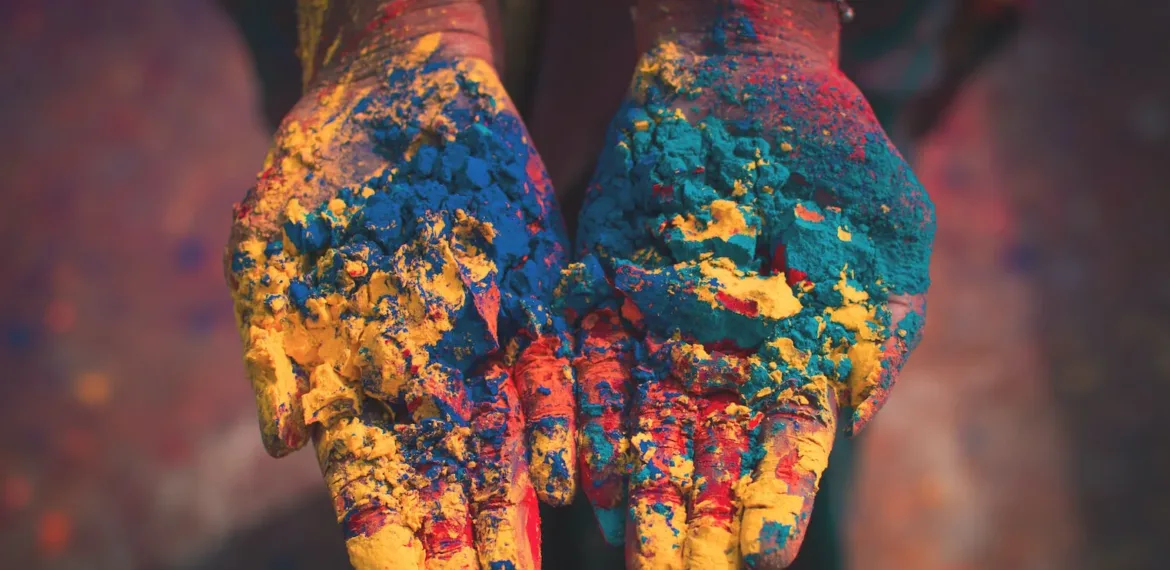
closeup photo of person holding color soils
“Discover Kuwait’s rich cultural heritage and avoid cultural missteps with a deeper understanding of its traditions, customs, language, and etiquette.”
Exploring Kuwaiti Culture: Traditions, Customs, Language, and Etiquette

Kuwait is a small country located in the Middle East, bordered by Saudi Arabia to the south and Iraq to the north. It is a country rich in culture and history, with a unique blend of traditional and modern influences. Understanding the culture of Kuwait is essential for anyone planning to visit the country, as it can enrich the travel experience and help avoid any cultural faux pas.

Traditions

Kuwait has a rich cultural heritage that is deeply rooted in Islamic traditions. One of the most important traditions in Kuwait is Ramadan, the holy month of fasting. During this time, Muslims abstain from food and drink from sunrise to sunset. It is also a time for prayer, reflection, and giving to charity. The end of Ramadan is celebrated with Eid al-Fitr, a three-day festival that marks the end of the fasting period.

Another important tradition in Kuwait is the celebration of National Day and Liberation Day. National Day is celebrated on February 25th, and marks the day when Kuwait gained independence from Britain in 1961. Liberation Day is celebrated on February 26th, and marks the day when Kuwait was liberated from Iraqi occupation in 1991. These two days are celebrated with parades, fireworks, and other festivities.

Customs

Kuwaiti customs are deeply rooted in Islamic traditions, and visitors to the country should be aware of these customs in order to avoid any cultural misunderstandings. One of the most important customs in Kuwait is the concept of hospitality. Kuwaitis are known for their warm and welcoming nature, and visitors to the country can expect to be treated with great kindness and generosity.

Another important custom in Kuwait is the dress code. Kuwait is a conservative country, and visitors should dress modestly in public. Women should cover their heads and wear loose-fitting clothing that covers their arms and legs. Men should also dress modestly, and avoid wearing shorts or sleeveless shirts in public.

Language

The official language of Kuwait is Arabic, and visitors to the country should be aware of some basic Arabic phrases in order to communicate with the locals. Some common Arabic phrases include “Marhaba” (hello), “Shukran” (thank you), and “Ma’a salama” (goodbye). English is also widely spoken in Kuwait, especially in the business and tourism sectors.

Etiquette

Kuwaiti etiquette is deeply rooted in Islamic traditions, and visitors to the country should be aware of these customs in order to avoid any cultural misunderstandings. One of the most important aspects of Kuwaiti etiquette is respect for elders. Kuwaitis place a great deal of importance on age and experience, and visitors should show respect to older people in all situations.

Another important aspect of Kuwaiti etiquette is respect for religion. Islam is the dominant religion in Kuwait, and visitors should be respectful of Islamic customs and traditions. This includes dressing modestly in public, avoiding alcohol and pork products, and being mindful of prayer times.

In addition, visitors to Kuwait should be aware of the importance of family in Kuwaiti culture. Family is the cornerstone of Kuwaiti society, and visitors should be respectful of family values and traditions. This includes avoiding any behavior that could be seen as disrespectful or offensive to family members.

Conclusion

In conclusion, understanding the culture of Kuwait is essential for anyone planning to visit the country. Kuwait has a rich cultural heritage that is deeply rooted in Islamic traditions, and visitors should be aware of these traditions in order to avoid any cultural misunderstandings. By respecting Kuwaiti customs and traditions, visitors can enrich their travel experience and gain a deeper appreciation for the country’s unique blend of traditional and modern influences.

  • Print
  • +-
    Font Size