ROAMOPEDIA
Pha That Luang
Discover the beauty and cultural richness of Laos through its iconic symbol of strength, Pha That Luang.
“Discover the beauty and cultural richness of Laos through its iconic symbol of strength, Pha That Luang.”

Discovering the Resilience and Strength of Laos through Vientiane’s Pha That Luang

Nestled in the heart of Southeast Asia, Laos is a country that is often overlooked by tourists. However, those who venture to this landlocked nation are rewarded with a rich cultural experience, stunning natural beauty, and warm hospitality from the locals. One of the must-visit destinations in Laos is the capital city of Vientiane, which is home to the magnificent Pha That Luang.

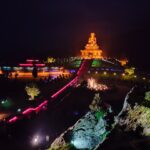
Pha That Luang is a Buddhist stupa that is considered to be the most important national monument in Laos. The stupa is located in the center of Vientiane, surrounded by lush greenery and a sparkling moat. Standing at a height of 148 feet, Pha That Luang is an impressive sight that can be seen from miles away.

The stupa is covered in gold leaf, which gives it a radiant shine that is visible in the sunlight. The gold covering is a symbol of the resilience and strength of the Lao people, who have faced numerous challenges throughout their history. The stupa has been destroyed and rebuilt several times over the centuries, with the most recent restoration taking place in the 20th century.

The history of Pha That Luang dates back to the 3rd century BC, when a stupa was first built on this site by the Khmer Empire. The stupa was then destroyed by a Thai invasion in the 14th century, and it remained in ruins until the 16th century when it was rebuilt by King Setthathirath. The stupa was damaged again in the 18th century during a Burmese invasion, and it was left in a state of disrepair for several decades.

In the early 20th century, the French colonial authorities undertook a major restoration project to rebuild Pha That Luang to its former glory. The stupa was completely rebuilt with a new design that incorporated French and Lao architectural styles. The restoration was completed in 1930, and the stupa has been standing tall ever since.

Visitors to Pha That Luang can enter the stupa grounds through one of four gates, each of which is guarded by a statue of a mythical creature. The gates are located on the four cardinal points of the compass, and they represent the four virtues of Buddhism: loving-kindness, compassion, sympathetic joy, and equanimity.

Once inside the stupa grounds, visitors can walk around the perimeter of the stupa, admiring the intricate details of the gold covering. The stupa is surrounded by a large courtyard that is dotted with small shrines and statues of Buddha. The courtyard is a peaceful place where visitors can sit and reflect, listening to the gentle sound of the wind blowing through the trees.

Inside the stupa, there is a small room that contains a golden Buddha statue and a collection of relics. Visitors can make a donation and light incense in front of the Buddha statue as a sign of respect. The room is dimly lit, and the only sound is the gentle flicker of the candles.

One of the best times to visit Pha That Luang is during the annual Boun That Luang festival, which takes place in November. The festival is a celebration of the stupa and the Lao culture, and it attracts thousands of visitors from all over the country. The festival features traditional Lao music and dance performances, as well as colorful parades and processions.

In addition to Pha That Luang, Vientiane has many other attractions that are worth visiting. The city is home to several temples and monasteries, including Wat Si Saket and Wat Ho Phra Keo. These temples are known for their spectacular architecture and intricate carvings.

Vientiane is also a great place to sample Lao cuisine, which is a fusion of flavors from Thailand, Vietnam, and China. Some of the must-try dishes include laap (a spicy minced meat salad), tam mak hoong (a spicy green papaya salad), and khao niew (sticky rice).

Overall, Pha That Luang is a magnificent symbol of the resilience and strength of the Lao people. It is a must-visit destination for anyone traveling to Vientiane, and it is a testament to the rich history and culture of Laos. The stupa is a peaceful and reflective place that offers visitors a chance to pause and appreciate the beauty of the world around them.

  • Print
  • +-
    Font Size