ROAMOPEDIA
Vilnius
Discover the charm of Vilnius, Lithuania’s capital city, with its stunning Old Town, historic landmarks, and lively culture.
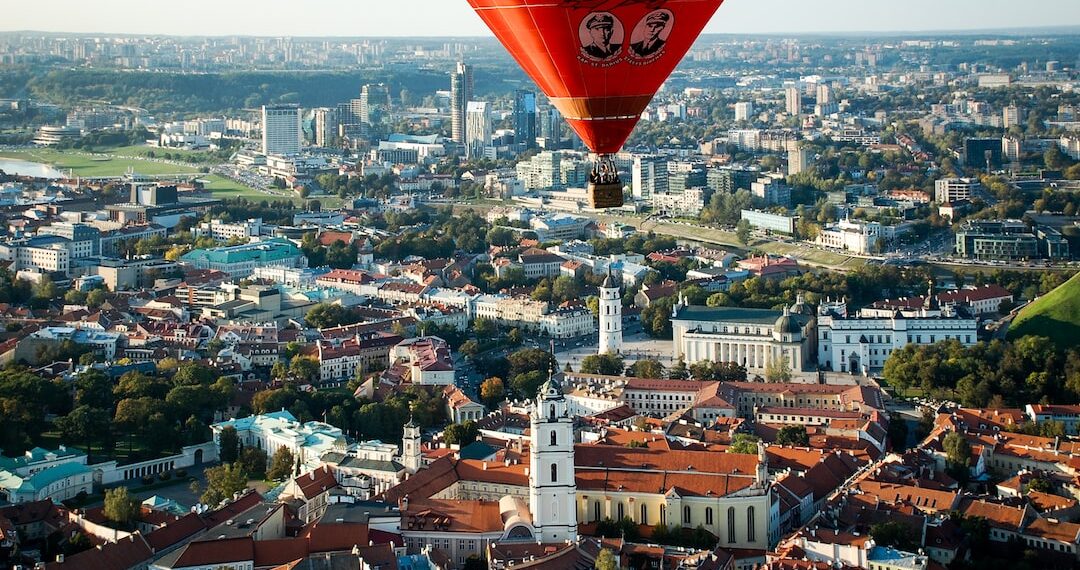

Vilnius

Lithuania’s capital city, Vilnius, is a hidden gem in Eastern Europe. With its charming Old Town, rich history, and vibrant culture, Vilnius is a must-visit destination for any traveler. In this guide, we’ll explore the top attractions and activities that Vilnius has to offer.

One of the most iconic sights in Vilnius is the Old Town, a UNESCO World Heritage site. The narrow cobblestone streets, colorful buildings, and Gothic architecture create a unique and picturesque atmosphere. Take a stroll through the Old Town to discover hidden gems like the St. Anne’s Church or the Presidential Palace.

Another must-see attraction in Vilnius is the Gediminas Castle Tower. This historic landmark offers panoramic views of the city and provides insight into Lithuania’s past. The tower is accessible by foot or by funicular, and visitors can explore the museum inside to learn more about the castle’s history.

For a taste of Vilnius’ culture, head to the Uzupis district. This bohemian neighborhood is home to artists, musicians, and creatives, and has its own constitution and flag. Visitors can wander through the narrow streets, admire the street art, and grab a coffee or beer at one of the many cafes and bars.

If you’re looking for a unique experience, visit the Hill of Crosses. This pilgrimage site is located just outside of Vilnius and features thousands of crosses placed by visitors over the years. The site is a symbol of Lithuanian resistance and faith, and is a deeply meaningful place for many locals.

For a taste of Lithuanian cuisine, head to one of the city’s many restaurants. Traditional dishes like cepelinai (potato dumplings stuffed with meat) or kugelis (potato pudding) are a must-try. Wash it down with a local beer or some Lithuanian mead for a truly authentic experience.

Vilnius also offers plenty of activities for outdoor enthusiasts. Take a walk or bike ride around the city’s many parks and lakes, or venture out to Trakai Castle, located on an island in Lake Galve. The castle is a popular spot for boating and fishing, and offers a glimpse into Lithuania’s medieval past.

Finally, no trip to Vilnius would be complete without experiencing the city’s nightlife. The city has a lively bar and club scene, with options ranging from cozy pubs to trendy nightclubs. The city’s many summer festivals, like the Vilnius Jazz Festival or the Vilnius Street Music Day, also offer a chance to experience the city’s cultural scene after dark.

Vilnius is a city that has something for everyone. Whether you’re interested in history, culture, food, or nightlife, Vilnius has it all. So why not add this charming Eastern European destination to your travel bucket list? You won’t regret it.

Gediminas Castle

Lithuania’s capital city, Vilnius, is a hidden gem in Eastern Europe that is often overlooked by tourists. However, those who take the time to explore this charming city will discover a rich history, stunning architecture, and a vibrant cultural scene. One of the must-see attractions in Vilnius is Gediminas Castle.

Gediminas Castle is a symbol of Vilnius and the country of Lithuania. The castle was built in the 14th century by Grand Duke Gediminas and was once the residence of Lithuanian rulers. Today, only the ruins of the castle remain, but they are still an impressive sight to behold.

Visitors can climb to the top of the hill where the castle stands and enjoy panoramic views of Vilnius. The climb can be a bit steep, but the reward is worth it. From the top, you can see the red-tiled roofs of the Old Town, the green forests that surround the city, and the modern skyscrapers that have sprung up in recent years.

In addition to the stunning views, there are also several interesting exhibits at Gediminas Castle. The Museum of the History of Lithuania and Vilnius is located inside the castle and provides a fascinating look at the country’s past. The museum’s collection includes artifacts from the prehistoric era, as well as exhibits on Lithuanian folklore, religion, and art.

Another highlight of Gediminas Castle is the Tower of Gediminas. This tower is the only remaining part of the castle’s original fortifications. Visitors can climb to the top of the tower and take in even more breathtaking views of Vilnius.

Gediminas Castle is also an important symbol of Lithuanian national identity. The castle has been featured on the country’s coat of arms since the 15th century and is still an important part of the country’s cultural heritage. Every year, on January 13th, Lithuanians gather at the castle to commemorate the events of 1991 when Soviet troops attempted to take over the country’s television tower, but were eventually defeated by Lithuanian defenders.

Overall, Gediminas Castle is a must-see attraction for anyone visiting Vilnius. The castle’s rich history, stunning views, and cultural significance make it a truly unique and unforgettable destination. Whether you’re interested in history, culture, or just want to take in the beauty of Vilnius from above, a trip to Gediminas Castle is well worth the effort.

Vilnius Cathedral

Vilnius, the capital of Lithuania, is a city that has a rich history and culture. One of the most iconic landmarks of the city is the Vilnius Cathedral. This stunning cathedral is one of the most important religious sites in the country and is a must-visit for anyone exploring Vilnius.

The Vilnius Cathedral is located in the heart of the city’s Old Town, which is a UNESCO World Heritage site. It is a beautiful example of Baroque architecture and is one of the oldest and most significant buildings in the city. The cathedral has undergone several renovations over the years, but it still retains its original charm and beauty.

The cathedral was first built in the 13th century and was originally a pagan temple. It was later converted into a Christian church and was rebuilt in the Gothic style. In the 18th century, it was again renovated, this time in the Baroque style, which is the style that it is known for today.

One of the most impressive features of the Vilnius Cathedral is its stunning façade. The façade is adorned with intricate carvings and sculptures that depict scenes from the Bible and Lithuanian history. The cathedral’s bell tower is also a sight to behold. It stands at over 57 meters tall and offers panoramic views of the city.

Inside the cathedral, visitors can admire the stunning interior, which is decorated with frescoes, paintings, and sculptures. The cathedral’s main altar is particularly impressive, with its intricate carvings and beautiful paintings. The cathedral also houses the tomb of St. Casimir, who is the patron saint of Lithuania.

One of the most unique features of the Vilnius Cathedral is the Chapel of St. Casimir. This chapel is located inside the cathedral and is dedicated to the patron saint of Lithuania. The chapel is decorated with beautiful paintings and sculptures, and it is a popular spot for visitors to light candles and say prayers.

Visitors to the Vilnius Cathedral can also explore the cathedral’s underground crypt. The crypt houses the remains of several important Lithuanian figures, including Grand Duke Gediminas and his family. The crypt is a fascinating place to visit and offers a glimpse into Lithuania’s rich history.

Overall, the Vilnius Cathedral is a must-visit for anyone exploring Vilnius. Its stunning architecture, beautiful interior, and rich history make it one of the most important landmarks in the city. Whether you are a history buff, an art lover, or simply looking to explore the city’s cultural heritage, the Vilnius Cathedral is a must-see. So, make sure to add it to your itinerary when you visit Vilnius, and discover the charm and beauty of this amazing city.

St. Anne’s Church

Vilnius, the capital of Lithuania, is a city that is steeped in history and culture. It is a place where ancient architecture and modernity coexist in perfect harmony, and where the streets are alive with the sound of music, art, and literature. One of the most fascinating places to visit in Vilnius is St. Anne’s Church.

St. Anne’s Church is a stunning example of Gothic architecture, and it is one of the most beloved landmarks in Vilnius. The church was built in the 15th century, and it is named after St. Anne, the mother of the Virgin Mary. The church is known for its intricate brickwork, which is said to have inspired Napoleon to want to take the church back to France with him.

Visitors to St. Anne’s Church will be struck by the beauty of the building’s exterior. The church is made entirely of red brick, and its spires rise high into the sky. The intricate details of the brickwork are visible from every angle, and the church is especially beautiful at sunset when the warm light illuminates the brickwork and creates a stunning contrast against the blue sky.

Inside the church, visitors will find a simple yet elegant interior. The church is not as ornate as some of the other churches in Vilnius, but it has a quiet beauty that is all its own. The walls are painted white, and the sunlight streams in through the stained-glass windows, casting a colorful glow throughout the church.

One of the most interesting things about St. Anne’s Church is its history. The church has survived wars, fires, and even an earthquake, and it has played an important role in the history of Vilnius. During the Soviet era, the church was used as a warehouse, but it was restored to its former glory after Lithuania gained its independence in 1990.

Today, St. Anne’s Church is not just a place of worship, but also a popular tourist destination. Visitors come from all over the world to marvel at the church’s beauty and to learn about its history. The church is open to the public every day, and there is no admission fee.

In addition to St. Anne’s Church, there are many other things to see and do in Vilnius. The city is home to a number of museums, including the Museum of Genocide Victims, which is housed in the former KGB headquarters. The Old Town of Vilnius is a UNESCO World Heritage Site, and it is filled with beautiful architecture, charming cafes, and lively street performers.

For those who love the outdoors, Vilnius has plenty to offer as well. The city is surrounded by lush forests and rolling hills, and there are many parks and nature reserves to explore. The Vilnius University Botanical Garden is a popular destination for nature lovers, and it is home to over 8,000 plant species from all over the world.

Overall, Vilnius is a city that is full of surprises. From its ancient architecture to its modern art scene, there is something for everyone to enjoy. And for those who are looking for a truly unique experience, a visit to St. Anne’s Church is a must. This beautiful church is a testament to the resilience of the Lithuanian people, and it is sure to leave a lasting impression on all who visit.

Užupis district

Vilnius, the capital of Lithuania, is a charming city with a rich history and culture. One of the most unique areas in the city is the Užupis district, which has become a popular destination for tourists and locals alike.

Užupis, which means “beyond the river” in Lithuanian, is located on the east bank of the Vilnia River and is known for its bohemian and artistic atmosphere. The district was established in 1997 by a group of artists who declared it an independent republic, complete with its own constitution, flag, and anthem.

One of the most iconic landmarks in Užupis is the Užupis Angel statue, which is located in the main square. The statue, which was created by sculptor Romas Vilčiauskas, represents the district’s commitment to freedom, creativity, and individuality.

Another popular attraction in Užupis is the Užupis Art Incubator, which is located in a former chocolate factory. The incubator is a space for artists to work, exhibit their work, and collaborate with other artists. Visitors can explore the studios and galleries and purchase unique and original artwork.

Užupis is also home to numerous cafes, bars, and restaurants, many of which offer outdoor seating and stunning views of the river. One of the most popular spots is Užupio Kavinė, a cozy cafe that serves traditional Lithuanian cuisine and homemade desserts.

In addition to its artistic and culinary offerings, Užupis is also home to several historic landmarks. One of the most notable is the Church of St. Bartholomew, which was built in the 15th century and features stunning Gothic architecture. The church is also home to a museum that showcases the history of the district and its people.

Another historic site in Užupis is the Bernardine Cemetery, which is the final resting place of many notable Lithuanians, including the composer Mikalojus Konstantinas Čiurlionis and the writer Juliusz Słowacki. Visitors can explore the cemetery and pay their respects to these important figures in Lithuanian history.

Užupis is also known for its vibrant street art scene, with murals and graffiti adorning many of the buildings and walls. One of the most famous pieces is the “Užupis Mermaid,” a colorful mural that depicts a mermaid surrounded by fish and other sea creatures.

Overall, Užupis is a must-visit destination for anyone traveling to Vilnius. Its unique blend of art, history, and culture make it a truly special place, and its commitment to freedom and individuality is an inspiration to all who visit. So next time you’re in Vilnius, be sure to cross the river and discover the charm of Užupis for yourself.

  • Print
  • +-
    Font Size