ROAMOPEDIA
Malawi's Culture
Exploring Malawi’s Culture: Traditions, Customs, Language, and Etiquette
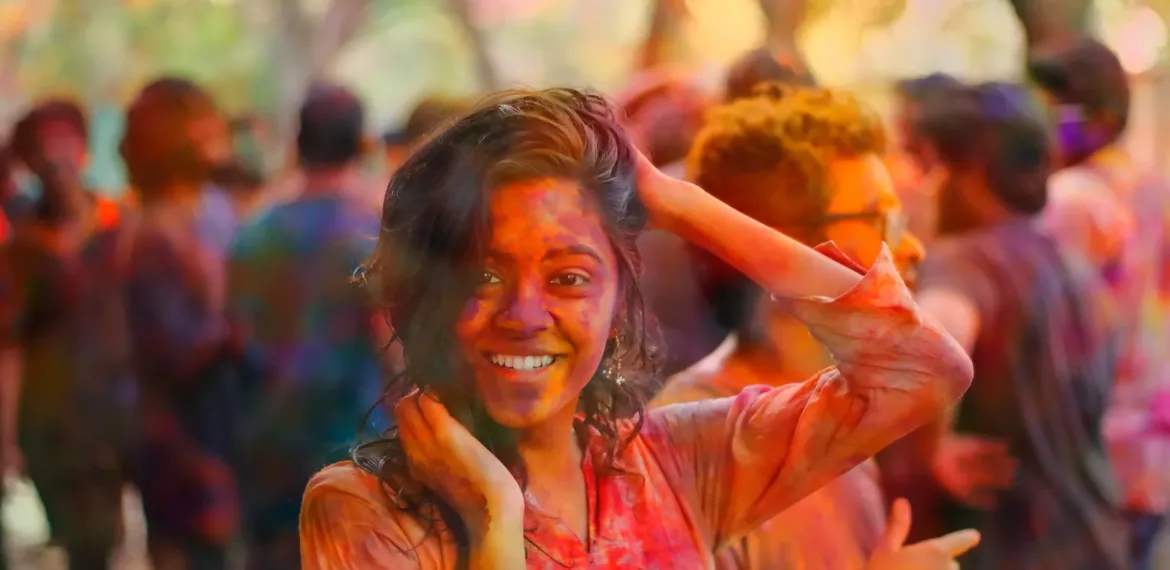
smiling woman holding her head and hair during daytime
“Discover the Heart of Africa: Embrace Malawi’s Rich Culture with Respect and Understanding.”
Exploring Malawi’s Culture: Traditions, Customs, Language, and Etiquette

Malawi is a small landlocked country in southeastern Africa, known for its stunning landscapes, friendly people, and rich cultural heritage. The country is home to over 18 different ethnic groups, each with their own unique traditions, customs, language, and etiquette. Understanding Malawi’s culture is essential for any traveler looking to explore the country and have an enriching travel experience.

Traditions

Malawi’s traditions are deeply rooted in its history and cultural heritage. One of the most significant traditions in Malawi is the Gule Wamkulu, a masked dance performed by the Chewa people. The dance is a celebration of the ancestors and is performed during important events such as weddings, funerals, and initiation ceremonies. The dancers wear elaborate masks and costumes and perform intricate dance moves to the beat of drums and other traditional instruments.

Another important tradition in Malawi is the initiation ceremony for young boys and girls. The ceremony marks the transition from childhood to adulthood and is a rite of passage for young people in Malawi. During the ceremony, the initiates are taught about their culture, traditions, and customs, and are given advice on how to live a good life.

Customs

Malawi’s customs are also deeply rooted in its cultural heritage. One of the most important customs in Malawi is the practice of gift-giving. In Malawi, it is customary to bring a small gift when visiting someone’s home or attending a social event. The gift can be something as simple as a bag of sugar or a bunch of bananas, but it is a sign of respect and appreciation for the host.

Another important custom in Malawi is the practice of communal living. In many rural areas of Malawi, people live in extended families or villages, and everyone works together to support each other. This sense of community is reflected in the way people interact with each other, and it is not uncommon for strangers to be welcomed into someone’s home and offered food and shelter.

Language

Malawi has over 13 different languages, with Chichewa being the most widely spoken. Chichewa is the official language of Malawi and is spoken by over 60% of the population. English is also widely spoken, especially in urban areas and among the educated population.

Learning a few basic phrases in Chichewa can go a long way in helping travelers navigate the country and communicate with the locals. Some common phrases include “Moni” (hello), “Zikomo” (thank you), and “Muli bwanji?” (how are you?).

Etiquette

Understanding Malawi’s etiquette is essential for any traveler looking to avoid cultural faux pas. One of the most important things to remember is to dress modestly, especially when visiting rural areas or attending religious events. Women should avoid wearing revealing clothing, and men should avoid wearing shorts or sleeveless shirts.

It is also important to greet people with respect and use proper titles when addressing them. In Malawi, it is customary to use titles such as “Mwana wa a Chisale” (son of Chisale) or “Mwana wa a Mwase” (daughter of Mwase) when addressing someone. This shows respect for their family and cultural heritage.

When eating with others, it is customary to wash your hands before and after the meal. It is also polite to wait for the host to start eating before you begin, and to use your right hand to eat.

Conclusion

Malawi’s culture is rich and diverse, and understanding its traditions, customs, language, and etiquette is essential for any traveler looking to explore the country and have an enriching travel experience. By learning a few basic phrases in Chichewa, dressing modestly, and showing respect for the local customs and traditions, travelers can avoid cultural faux pas and immerse themselves in the vibrant culture of Malawi.

  • Print
  • +-
    Font Size