“Stay healthy in Malawi: Essential vaccinations and health precautions for your trip.”

Related
All related contents.
Related Posts

Discover the natural beauty of Malawi at Zomba Plateau.

Escape to paradise in Monkey Bay, Malawi – where beach dreams come true.

Discover Malawi’s Majete Wildlife Reserve, where luxury meets the wild.

Discover the tranquility of Malawi’s Viphya Forest Reserve in Mzuzu.

Experience the blend of tradition and modernity in Lilongwe, Malawi’s vibrant capital city.

Discover the beauty of Malawi’s Nkhata Bay – where lakeside paradise meets adventure.

Discover the wild beauty of Liwonde National Park in Malawi.
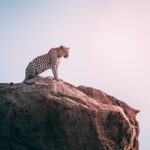
Discover the natural beauty of Malawi at Lilongwe Wildlife Centre.

Discover the warm heart of Africa in Malawi – a hidden gem for adventurous travelers.

Discover the vibrant culture and natural beauty of Mangochi, Malawi’s lakeside gem.
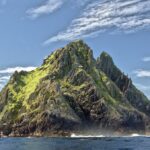
Escape to paradise on Mumbo Island, Malawi’s hidden gem.

Discover the untamed beauty of Malawi’s Nyika National Park in Rumphi.
Malawi Mzuzu: Experience the Vibrant Culture and Bustling Markets of the Northern Region!
Discover the natural beauty and cultural heritage of Dedza, Malawi
Discover the beauty of Malawi at Cape Maclear – where adventure meets relaxation.

Discover the unspoiled beauty of Malawi’s Ntchisi Forest Reserve.
Discover the ancient art and culture of Dedza, Malawi’s UNESCO World Heritage Site.

Discover paradise at Salima’s Senga Bay on the shores of Lake Malawi.
Discover the beauty of Malawi at Nkhata Bay – where nature and culture meet.
Discover the cultural heritage and natural beauty of Malawi at Karonga.

A journey through Malawi’s past and present at Karonga Museum.
Discover the beauty of Malawi’s Salima – a paradise for beach and wildlife lovers.

Discover the beauty of Malawi through the majestic Mount Mulanje.

Experience the rich history and vibrant culture of Malawi in Blantyre’s colonial architecture, lively arts scene, and iconic landmarks.

Discover the beauty of Malawi’s Mangochi and Lake Malawi National Park.