Health concerns and necessary vaccinations for travel to Nicaragua.

Related
All related contents.
Related Posts
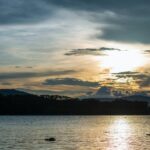
Discover the beauty of Nicaragua’s Islets of Granada, a true gem in Central America.

Experience nature’s refreshing embrace at Ojo de Agua in Rivas, Nicaragua.

Experience the ultimate beach getaway in San Juan del Sur, Nicaragua.

Discover the rich cultural heritage of Nicaragua at the Museum of Legends and Traditions in León.
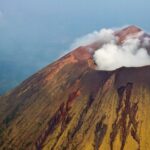
Discover the charm of Chinandega: where urban meets nature.

Experience natural beauty and adventure on Nicaragua’s Ometepe Island.

Discover the beauty and history of Nicaragua at the Old Managua Cathedral.

Discover the thrill of nature at Volcan Concepción on Ometepe Island, Nicaragua.
Discover the beauty of Nicaragua’s Miraflor Natural Reserve.

Discover the charm of Granada, Nicaragua’s colonial gem.

Discover the natural wonders of Nicaragua at Selva Negra Cloud Forest Reserve in Matagalpa.

Nicaragua Uncovered: Breathtaking Destinations

Discover the cultural heart of Nicaragua in León.

Discover the untouched beauty of Little Corn Island in Nicaragua’s tropical paradise.

Discover the untouched beauty of Nicaragua’s Corn Islands.
Discover the cultural and natural wonders of Nicaragua’s Estelí.
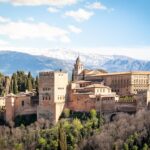
Discover the charm of Nicaragua’s Granada – where history and beauty collide.

Discover the vibrant culture and natural wonders of Masaya, Nicaragua.

Discover the beauty of Nicaragua’s Granada and Lake Nicaragua.

Experience the power of nature at Masaya Volcano National Park, Nicaragua.

San Juan del Sur Beach: Where adventure meets relaxation on Nicaragua’s golden coast.

Discover the natural and cultural wonders of Matagalpa, Nicaragua’s coffee capital.

Discover the natural wonders of Nicaragua’s Ometepe Island at Charco Verde Nature Reserve.
Discover the vibrant past and present of Nicaragua in Managua.

Discover the beauty of Nicaragua at León Cathedral.