“Experience the grandeur of Mughal architecture at the Badshahi Mosque in Lahore, Pakistan.”

Related
All related contents.
Related Posts

Experience the tranquility of nature at Shangrila Resort in Skardu, Pakistan.

Experience the thrill of winter sports in the picturesque Malam Jabba ski resort, nestled in the stunning Swat Valley of Pakistan.

Discover the beauty of Karachi’s Clifton Beach – your ultimate beach getaway!

Experience the legacy of Pakistan’s founder at Mazar-e-Quaid in Karachi.

A UNESCO World Heritage Site, showcasing Mughal Empire’s opulence and grandeur through Persian-style gardens in Lahore, Pakistan.

Discover the modern charm and natural beauty of Islamabad, Pakistan’s capital city.

Pakistan’s pride, Lahore Fort: Witness the grandeur of Mughal architecture.

Discover the timeless beauty and vibrant spirit of Lahore’s Walled City.

Discover the natural wonders of Pakistan’s Deosai National Park, where wildlife thrives in one of the highest plateaus on earth.

Discover the hidden gem of Pakistan in Hunza’s majestic mountains and rich culture.

Discover the beauty of Pakistan’s Quetta – where nature and culture come together.

Discover the beauty of Pakistan’s Hunza Valley at Baltit Fort.

Experience the heartbeat of Karachi at Port Grand – where entertainment meets the sea.
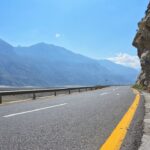
Discover the wonders of nature in Gilgit, Pakistan – where adventure meets serenity.

From Mountains to Monuments: A Comprehensive Guide to Pakistan’s Tourism Highlights

Escape to the serene beauty of Murree, Pakistan’s beloved hill station.

Discover the beauty and flavor of Lahore, Pakistan’s cultural gem.

Rani Bagh: A serene oasis in the heart of Hyderabad, Pakistan.

Peshawar: Where history and hospitality meet.

Discover the grandeur and stories of Pakistan’s past at Multan Fort.

Discover the natural beauty and cultural treasures of Pakistan’s Swat Valley.

Discover the enchanting beauty and rich cultural heritage of Pakistan’s Chitral and Kalash Valleys.

Experience the divine beauty of Multan – The City of Saints.

Discover the vibrant city of Karachi, where history meets modernity.

The grandeur of Pakistani Islam on display at Faisal Mosque.