ROAMOPEDIA
Nazca
Discover the mysteries of ancient Peru in Nazca.
“Discover the mysteries of ancient Peru in Nazca.”

Nazca

Peru is a country located in South America, known for its rich history and diverse culture. One of the most fascinating aspects of Peru is the mysterious Nazca Lines, a series of ancient geoglyphs etched into the desert floor. These lines have puzzled archaeologists and historians for decades, and continue to attract visitors from all over the world.

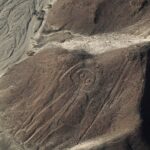
The Nazca Lines were created by the Nazca people, who lived in the area between 500 BCE and 500 CE. The lines are made up of various shapes and figures, including animals, plants, and geometric patterns. Some of the most well-known figures include a hummingbird, a spider, and a monkey.

The lines were created by removing the reddish-brown iron oxide-coated pebbles that cover the surface of the Nazca desert. This revealed the light-colored earth underneath, creating a contrast that made the lines visible from above. It is believed that the Nazca people used simple tools and a basic understanding of geometry to create the lines.

The purpose of the Nazca Lines remains a mystery. Some theories suggest that they were used for astronomical purposes, while others believe that they were part of a religious ritual. It is also possible that they were used to mark underground water sources, or as a way of communicating with the gods.

Despite their mysterious origins, the Nazca Lines have become a popular tourist attraction in Peru. Visitors can take a flight over the lines to get a bird’s-eye view of the figures, or explore the surrounding area on foot. There are also several museums and archaeological sites in the area that provide more information about the Nazca people and their culture.

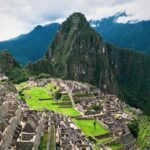
In addition to the Nazca Lines, Peru is home to many other ancient ruins and archaeological sites. One of the most famous is Machu Picchu, an Incan citadel located in the Andes Mountains. Machu Picchu was built in the 15th century, and is believed to have been a royal estate or religious site.

Other notable sites include the ruins of Chan Chan, a massive adobe city built by the Chimu people, and the temple of Kuelap, a pre-Columbian fortress located in the northern Andes. These sites provide a glimpse into the rich history of Peru, and offer visitors a chance to explore ancient cultures and civilizations.

Peru is also known for its vibrant culture and cuisine. The country is home to a diverse range of indigenous groups, each with their own traditions and customs. This has led to a rich cultural heritage, which is celebrated through music, dance, and art.

Peruvian cuisine is also renowned for its unique flavors and ingredients. Some of the most popular dishes include ceviche, a seafood dish marinated in citrus juice, and lomo saltado, a stir-fry made with beef, onions, and tomatoes. Visitors to Peru can sample these dishes and more at local restaurants and markets.

Overall, Peru is a fascinating country with a rich history and culture. From the mysterious Nazca Lines to the ancient ruins of Machu Picchu, there is no shortage of things to see and do. Whether you’re interested in history, culture, or cuisine, Peru has something for everyone.

Nazca Lines

Peru is a country located in South America that is known for its rich history, vibrant culture, and breathtaking landscapes. One of the most intriguing attractions in Peru are the Nazca Lines, which are a series of ancient geoglyphs located in the Nazca Desert.

The Nazca Lines were created by the Nazca people between 500 BCE and 500 CE. These geoglyphs are massive designs that were etched into the desert floor and can only be fully seen from the air. The designs include various animals, plants, and geometric shapes. The largest design is over 1,200 feet long.

The purpose of the Nazca Lines is still unknown, but many theories have been proposed. Some believe that the lines were created for astronomical purposes, while others believe that they were used for religious ceremonies. Some even speculate that the lines were created as a way to communicate with extraterrestrial beings.

Despite the mystery surrounding the Nazca Lines, they remain a popular tourist attraction in Peru. Visitors can take a scenic flight over the Nazca Desert to view the lines from above. The flights typically last around 30 minutes and provide stunning views of the surrounding landscape.

In addition to the Nazca Lines, there are many other attractions to see in Peru. Machu Picchu is a world-famous Incan citadel that is located in the Andes Mountains. It is one of the most visited tourist destinations in Peru and is a UNESCO World Heritage Site.

The city of Cusco is another popular destination for tourists. It was once the capital of the Incan Empire and is now a bustling city that offers a mix of ancient and modern culture. Visitors can explore historic sites such as the Temple of the Sun and the Plaza de Armas or enjoy the vibrant nightlife and cuisine.

Peru is also home to the Amazon Rainforest, which covers over 60% of the country’s territory. The rainforest is home to a diverse range of wildlife, including jaguars, monkeys, and anacondas. Visitors can take guided tours through the rainforest to learn about the local flora and fauna.

Peruvian cuisine is also a major draw for tourists. The country is known for dishes such as ceviche, lomo saltado, and aji de gallina. Visitors can find a variety of restaurants and food markets throughout the country that offer traditional Peruvian cuisine.

Overall, Peru is a fascinating country that offers something for everyone. From the ancient Nazca Lines to the modern city of Lima, there is no shortage of attractions to see and explore. Whether you are interested in history, culture, or nature, Peru is a destination that should not be missed.

Chauchilla Cemetery

Peru is a country known for its rich cultural heritage, natural beauty, and historical significance. One of the most fascinating aspects of Peru is its ancient burial grounds, which offer a glimpse into the lives and customs of the people who lived there thousands of years ago. One such site is the Chauchilla Cemetery, located in the Nazca desert.

The Chauchilla Cemetery is believed to date back to the Nazca civilization, which flourished in the region between 200 BC and 600 AD. The cemetery consists of several tombs, each containing multiple mummies. The mummies are remarkably well-preserved, thanks to the dry desert climate, and offer a unique insight into the burial practices of the Nazca people.

One of the most striking features of the Chauchilla Cemetery is the way in which the mummies are displayed. Rather than being buried in the ground, the mummies are placed in open tombs, where they can be easily viewed. This was a common practice among the Nazca people, who believed that the dead were still a part of the community and should be kept close to their loved ones.

The mummies themselves are incredibly well-preserved, with some still retaining their hair and skin. This is due in part to the dry desert climate, which mummified the bodies naturally. However, the Nazca people also had a sophisticated embalming process, which involved removing the organs and wrapping the body in multiple layers of cloth. This helped to preserve the body and prevent it from decomposing.

Visitors to the Chauchilla Cemetery can see these mummies up close, and even walk among them. This can be a somewhat eerie experience, as the mummies are displayed in various poses and expressions. Some are seated upright, while others are lying down or curled up in a fetal position. It is a reminder that these were once living, breathing people, with their own hopes, dreams, and fears.

Despite its historical significance, the Chauchilla Cemetery is not without controversy. In recent years, there have been reports of looting and vandalism at the site, with some of the mummies being stolen or damaged. This has led to calls for increased protection and preservation of the cemetery, as well as stricter penalties for those who engage in such activities.

Despite these challenges, the Chauchilla Cemetery remains an important cultural and historical site in Peru. It offers a rare glimpse into the lives and customs of the Nazca people, and serves as a reminder of the rich cultural heritage that is still present in Peru today. For those interested in history, archaeology, or simply the mysteries of the past, a visit to the Chauchilla Cemetery is a must.

Cahuachi

Peru is a country situated in the western part of South America. It is a land of diverse landscapes, ranging from the Andes Mountains to the Amazon rainforest, and is home to many ancient civilizations. One of the most significant archaeological sites in Peru is Cahuachi, located in the Nazca Desert in the Ica Region.

Cahuachi is a vast complex of adobe pyramids and plazas that cover an area of approximately 24 square kilometers. The site was first discovered in the 1920s, and since then, it has been extensively excavated by archaeologists. The site is believed to have been inhabited by the Nazca people, who flourished between 100 BC and 800 AD.

One of the most remarkable features of Cahuachi is its network of underground tunnels. These tunnels are believed to have served a variety of purposes, including as a means of transportation, for storage, and as a place for religious ceremonies. The tunnels are also believed to have been used for irrigation, as the Nazca people were skilled at cultivating crops in the desert.

Cahuachi was also a center of religious activity for the Nazca people. Archaeologists have uncovered numerous temples and shrines at the site, many of which contain elaborate murals and carvings. The most famous of these is the Temple of the Sun, which is believed to have been used for astronomical observations.

The Nazca people were also known for their intricate pottery and textiles. Many examples of these can be found at Cahuachi, including beautifully decorated ceramics and finely woven textiles. These artifacts provide insight into the daily lives of the Nazca people, as well as their artistic and cultural achievements.

While Cahuachi is a fascinating archaeological site, it is also facing numerous challenges. The site is located in a remote desert region, which makes it difficult to access and maintain. The harsh desert environment has also taken a toll on the adobe structures, which are slowly deteriorating.

Despite these challenges, efforts are underway to preserve and protect Cahuachi. The site has been designated as a UNESCO World Heritage Site, and a team of archaeologists and conservationists are working to stabilize the structures and prevent further damage. Additionally, the Peruvian government has implemented measures to limit tourism at the site, in order to reduce the impact of visitors on the fragile environment.

Cahuachi is a remarkable archaeological site that provides a glimpse into the ancient civilization of the Nazca people. Its underground tunnels, temples, and artifacts offer valuable insights into the daily lives, religious beliefs, and artistic achievements of this fascinating culture. While the site faces numerous challenges, efforts are underway to preserve and protect it for future generations to enjoy.

Cantalloc Aqueducts

Peru is a country rich in history and culture, with many fascinating sites to explore. One such site is the Cantalloc Aqueducts, located in the Nazca Valley. These aqueducts are an impressive feat of engineering that have been in use for over 1,500 years.

The Cantalloc Aqueducts were built by the Nazca people, who inhabited the area from around 100 BC to 800 AD. The Nazca were known for their advanced knowledge of agriculture, which allowed them to thrive in the desert environment of the Nazca Valley. However, in order to irrigate their crops, they needed a way to transport water from the nearby rivers to their fields.

To solve this problem, the Nazca engineers designed the Cantalloc Aqueducts. These aqueducts consist of a series of underground canals that run for miles through the desert. The canals were dug by hand, using stone tools, and are lined with stones to prevent erosion. The canals are also connected to a network of wells, which provide access to the water for maintenance and cleaning.

One of the most impressive features of the Cantalloc Aqueducts is the spiral wells that were built to access the canals. These wells are circular in shape and descend deep into the ground, allowing the Nazca to access the water even during times of drought. The wells are also connected to the canals, which allows for easy maintenance and cleaning.

The Nazca people used the Cantalloc Aqueducts to irrigate their crops, which included corn, beans, and cotton. They also used the water for drinking and bathing. The aqueducts were so effective that they allowed the Nazca to produce a surplus of food, which they traded with neighboring tribes.

Today, the Cantalloc Aqueducts are a popular tourist attraction in Peru. Visitors can take guided tours of the aqueducts and learn about the history and engineering behind them. The site is also a UNESCO World Heritage Site, which recognizes its importance to the world’s cultural heritage.

In addition to their historical significance, the Cantalloc Aqueducts also have important implications for modern engineering. The Nazca engineers were able to design and build a complex system of underground canals using only primitive tools and materials. This demonstrates the ingenuity and resourcefulness of ancient societies, and provides valuable insights into how we can solve modern engineering challenges.

the Cantalloc Aqueducts are a remarkable example of ancient engineering and a testament to the ingenuity of the Nazca people. These underground canals have been in use for over 1,500 years and continue to inspire awe and admiration today. Visitors to Peru should make a point to visit this site and learn about the history and engineering behind it. The Cantalloc Aqueducts are truly a marvel of human achievement.

  • Print
  • +-
    Font Size