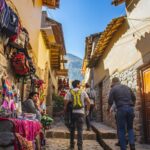
Peru: Diverse climates and seasons, pack accordingly and plan activities accordingly.
– Warm clothing is essential for the highlands, especially at higher altitudes.
– A waterproof jacket or poncho is a must for the rainy season in all regions.
– Comfortable, sturdy shoes are essential for hiking and trekking in the highlands and jungle.
– Sunscreen, insect repellent, and a hat are essential for all regions. In conclusion, Peru’s climate can vary greatly depending on the region and time of year. By understanding the climate and packing accordingly, you can ensure a comfortable and enjoyable trip to this incredible country. Whether you are exploring ancient ruins in the highlands, relaxing on the beach along the coast, or spotting wildlife in the jungle, Peru has something to offer every traveler.
Peru’s Climate: A Year-Round Guide for Packing and Planning
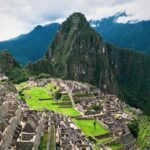
Peru is a country that is known for its rich history, diverse culture, and stunning landscapes. From the towering Andes Mountains to the lush Amazon rainforest, Peru has something to offer every traveler. However, when planning a trip to Peru, it is important to consider the country’s climate. The weather can vary greatly depending on the region and time of year, which can impact what to pack and which activities to plan for. In this article, we will provide a year-round guide to Peru’s climate, so you can pack and plan accordingly. Peru is located in the southern hemisphere, which means that its seasons are opposite to those in the northern hemisphere. The country is divided into three distinct regions: the coast, the highlands, and the jungle. Each region has its own unique climate, which can make packing and planning a bit tricky. The Coast The coast of Peru is a narrow strip of land that runs along the Pacific Ocean. The climate here is generally dry and mild, with temperatures ranging from the mid-60s to the mid-80s Fahrenheit. The coast is also home to some of Peru’s most popular cities, including Lima, Trujillo, and Chiclayo. The best time to visit the coast of Peru is during the summer months, which run from December to March. During this time, the weather is warm and sunny, making it perfect for beach activities and outdoor adventures. However, it is important to note that the coast can be quite humid during the summer, so be sure to pack lightweight, breathable clothing. If you are planning to visit the coast during the winter months, which run from June to September, be prepared for cooler temperatures and overcast skies. While it may not be ideal for beach activities, the winter months are a great time to explore the cities and cultural sites along the coast. The Highlands The highlands of Peru are home to the Andes Mountains, which run through the center of the country. This region is known for its stunning landscapes, ancient ruins, and vibrant indigenous culture. The climate in the highlands can vary greatly depending on the altitude, with temperatures ranging from the mid-30s to the mid-70s Fahrenheit. The best time to visit the highlands of Peru is during the dry season, which runs from May to September. During this time, the weather is generally clear and sunny, making it perfect for hiking, trekking, and exploring the ancient ruins. However, it is important to note that the nights can be quite cold, especially at higher altitudes, so be sure to pack warm clothing. If you are planning to visit the highlands during the rainy season, which runs from November to April, be prepared for wet and muddy conditions. While the rain can make hiking and trekking more challenging, it also brings the landscapes to life with lush greenery and flowing waterfalls. The Jungle The jungle region of Peru is home to the Amazon rainforest, which covers over 60% of the country. This region is known for its incredible biodiversity, indigenous communities, and unique wildlife. The climate in the jungle is hot and humid, with temperatures ranging from the mid-70s to the mid-90s Fahrenheit. The best time to visit the jungle of Peru is during the dry season, which runs from May to September. During this time, the weather is generally clear and sunny, making it perfect for exploring the rainforest and spotting wildlife. However, it is important to note that the humidity can be quite intense, so be sure to pack lightweight, breathable clothing. If you are planning to visit the jungle during the rainy season, which runs from November to April, be prepared for heavy rain and flooding. While the rain can make it more challenging to explore the rainforest, it also brings the landscapes to life with vibrant colors and flowing rivers. Packing Tips When packing for a trip to Peru, it is important to consider the climate and activities you have planned. Here are some general packing tips to keep in mind: – Lightweight, breathable clothing is essential for the coast and jungle regions, especially during the summer months.– Warm clothing is essential for the highlands, especially at higher altitudes.
– A waterproof jacket or poncho is a must for the rainy season in all regions.
– Comfortable, sturdy shoes are essential for hiking and trekking in the highlands and jungle.
– Sunscreen, insect repellent, and a hat are essential for all regions. In conclusion, Peru’s climate can vary greatly depending on the region and time of year. By understanding the climate and packing accordingly, you can ensure a comfortable and enjoyable trip to this incredible country. Whether you are exploring ancient ruins in the highlands, relaxing on the beach along the coast, or spotting wildlife in the jungle, Peru has something to offer every traveler.