Peru’s internet connectivity is generally good, with WiFi available in most urban areas. It may be worth getting a local SIM card for better coverage and data access while traveling.

Related
All related contents.
Related Posts

Peru’s Cusco & Sacred Valley: Inca Treasures, Timeless Charm, and Cultural Wonders Awaiting Discovery

Colca Canyon, Arequipa, Peru: Explore the Depths of Beauty in a World of Awe-inspiring Landscapes and Adventure.

Discover the mysteries of ancient Peru in Nazca.

Explore the ancient wonders of Peru’s Puno region, where history and culture come to life.

Peru’s Huacachina: Ica’s Dazzling Desert Oasis for Thrilling Sandboarding and Dune Buggy Adventures

Discover the treasures of ancient civilizations in Trujillo, Peru.

Discover the legacy of the Incas in the heart of Cusco, Peru.

Discover the breathtaking beauty of Huaraz in Peru – a haven for adventure seekers.

Discover Peru’s Timeless Treasures: Lima’s Larco Museum – Where Pre-Columbian Art and History Come Alive

Discover the wonders of the Peruvian Amazon in Iquitos.

Peru’s Cusco: Sacsayhuaman Fortress – Where Inca Majesty Meets Breathtaking Views

Peru’s Trujillo – Journey Through Time: Discover the Enigmatic Huaca del Sol y Huaca de la Luna, Unraveling Moche Mysteries and Marvels.

Peru’s Huaraz: Cordillera Blanca – Unleash Your Adventure in the Heart of the Andes

Discover the vibrant culture and history of Ayacucho, Peru.

The Ultimate Peru Travel Guide: From Machu Picchu to the Amazon

Discover the beauty of Arequipa, Peru’s ‘White City,’ and its stunning attractions including the Santa Catalina Monastery, Colca Canyon, Plaza de Armas, and Yanahuara.

Discover the vibrant hues and storied past of Santa Catalina Monastery: Arequipa’s 16th-century treasure.

Discover Lake Titicaca: Soaring Altitudes, Floating Islands, and Andean Legacies.

Uncover Nature’s Secrets: Iquitos, Peru – Your Gateway to the Enchanting Amazon Rainforest
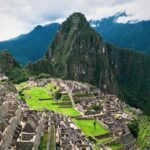
Peru’s Cusco: Unlock the Mysteries of Machu Picchu, the Majestic Inca Citadel in the Clouds.

Discover the natural wonders of Peru’s Paracas: a coastal paradise of wildlife, landscapes, and beaches.

Unlock the enigma of the Nazca Lines: Peru’s desert canvas unveiled from the skies.

Experience the vibrant fusion of history, culture, and gastronomy in Lima, Peru.

Discover the ancient wonder of Chan Chan in Trujillo, Peru – where the grand adobe legacy of the Chimu culture stands timeless.

Miraflores: Coastal Bliss Meets Urban Excitement in Lima’s Heart