San Marino’s traditional dishes and drinks are a reflection of its rich history and culture. Some must-try dishes include piadina, passatelli, and cacciatello, while the local wine, Sangiovese di San Marino, is a popular drink. The best places to try them are the local trattorias and restaurants scattered throughout the country. Indulge in the flavors of San Marino and experience its unique culinary heritage.

Related
All related contents.
Related Posts

Discover the enchanting beauty of San Marino City, where history comes alive through its magnificent landmarks.

Discover the beauty of San Marino Fiorentino’s rich history and breathtaking natural landscape.

Experience the Thrill of San Marino Adventures!

Discover the charm of San Marino Acquaviva – where history meets natural beauty.

San Marino: Discover History and Beauty from the Guaita Tower.

Discover the rich history and culture of San Marino at Museo di Stato.
Discover the hidden gems of San Marino in Domagnano’s historical and scenic wonders.

Experience the perfect blend of history and modernity in San Marino’s Serravalle district.
Escape to tranquility in San Marino’s Montegiardino – where beauty meets serenity.

Discover the ancient history and stunning views of San Marino at Cesta Tower.

Discover the chilling history of torture at Museo della Tortura in the City of San Marino.

Discover the charm of San Marino Borgo Maggiore: where history meets modernity.

Discover the charm of San Marino, where history and religion intertwine at the Basilica di San Marino.

Discover the beauty of San Marino – a city steeped in history and architectural wonders.

Discover the cultural delights of San Marino at Teatro Titano.

Discover the tranquility of San Marino’s Montale Tower.

Discover the beauty of San Marino’s Montecerreto Park.

Discover the spiritual and artistic heritage of San Marino at St. Francis Museum and Art Gallery.

Experience San Marino: A Comprehensive Guide to the Country’s Top Tourist Attractions
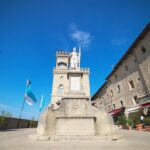
Discover the charm of San Marino’s historic heart at Piazza della Libertà.

Discover the charm of San Marino Chiesanuova – where history meets modernity.
Discover the charm of San Marino Faetano and immerse yourself in its ancient beauty and natural wonders.

Discover the ancient art of archery in San Marino’s Cava dei Balestrieri.