ROAMOPEDIA
Singapore's Culture
Exploring Singaporean Culture: Traditions, Customs, Language, and Etiquette
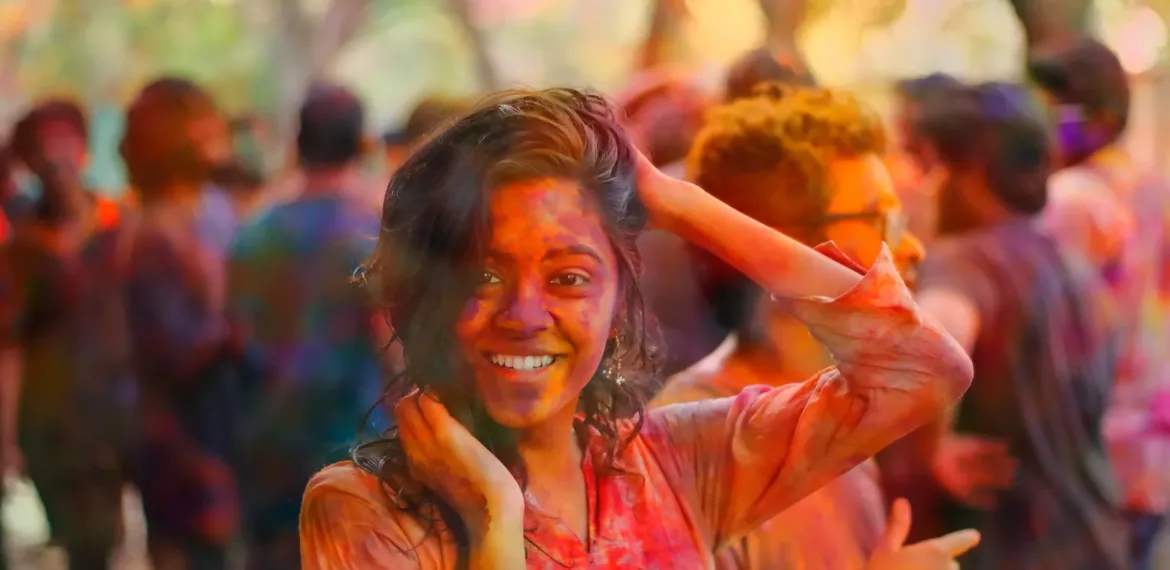
smiling woman holding her head and hair during daytime
“Discover Singapore’s rich cultural tapestry and avoid cultural missteps with a deeper understanding of its traditions, customs, language, and etiquette.”
Exploring Singaporean Culture: Traditions, Customs, Language, and Etiquette

Singapore is a vibrant and diverse country that is home to a rich and unique culture. Understanding the traditions, customs, language, and etiquette of Singapore can greatly enhance your travel experience and help you avoid any cultural faux pas.

One of the most prominent aspects of Singaporean culture is its diverse ethnic makeup. The country is home to a mix of Chinese, Malay, Indian, and Eurasian communities, each with their own unique customs and traditions. This diversity is reflected in the country’s food, language, and festivals.

One of the most important traditions in Singaporean culture is the celebration of Chinese New Year. This festival, which usually falls in late January or early February, is a time for families to come together and celebrate the start of a new year. During this time, the streets are decorated with red lanterns and people exchange gifts and red envelopes filled with money. It is also customary to eat traditional Chinese dishes such as dumplings and fish.

Another important festival in Singaporean culture is Hari Raya Puasa, which marks the end of the Muslim fasting month of Ramadan. During this time, Muslims visit their families and friends, and it is customary to wear new clothes and give gifts. Traditional Malay dishes such as rendang and ketupat are also served during this festival.

In addition to these festivals, Singapore is also home to a number of other cultural events throughout the year, such as the Thaipusam festival, which is celebrated by the Tamil community, and the Lantern Festival, which is celebrated by the Chinese community.

Language is also an important aspect of Singaporean culture. While English is the official language of the country, there are also three other official languages: Mandarin, Malay, and Tamil. Many Singaporeans are bilingual or even trilingual, and it is not uncommon to hear a mix of languages being spoken in public places.

In addition to the official languages, Singapore also has its own unique language known as Singlish. Singlish is a mix of English, Malay, Mandarin, and other dialects, and is often used in informal settings. While it may be difficult for non-Singaporeans to understand at first, learning a few Singlish phrases can be a fun way to immerse yourself in the local culture.

Etiquette is also an important aspect of Singaporean culture. One of the most important customs is the practice of removing your shoes before entering someone’s home. It is also considered impolite to point with your feet or to touch someone’s head, as these are seen as disrespectful gestures.

When it comes to dining etiquette, it is customary to wait for the host to begin eating before you start. It is also polite to use chopsticks when eating Chinese or Japanese food, and to use your right hand when eating Malay or Indian food.

In addition to these customs, it is also important to be aware of Singapore’s strict laws and regulations. Chewing gum is illegal in Singapore, and littering or spitting in public places can result in hefty fines. It is also important to be respectful of Singapore’s conservative culture, and to dress modestly when visiting religious sites or public places.

Overall, understanding the traditions, customs, language, and etiquette of Singaporean culture can greatly enhance your travel experience and help you avoid any cultural faux pas. Whether you are visiting for the first time or are a seasoned traveler, taking the time to learn about the local culture can help you connect with the people and truly appreciate all that Singapore has to offer.

  • Print
  • +-
    Font Size