ROAMOPEDIA
Slovenia's Culture
Exploring Slovenian Culture: Traditions, Customs, Language, and Etiquette
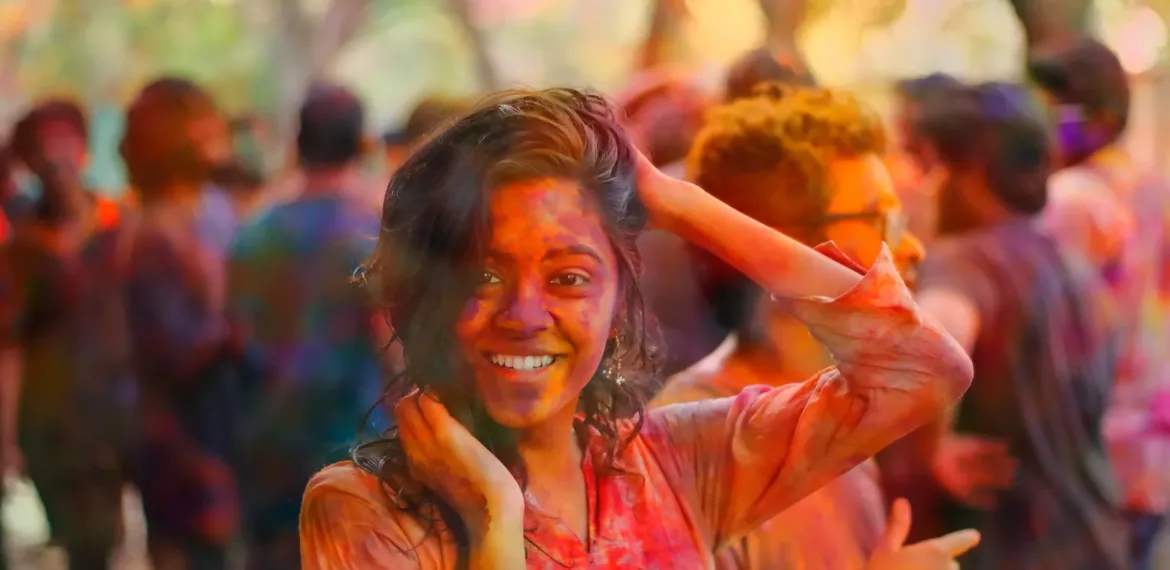
smiling woman holding her head and hair during daytime
“Discover Slovenia’s rich cultural heritage and avoid cultural missteps during your travels.”
Exploring Slovenian Culture: Traditions, Customs, Language, and Etiquette

Slovenia is a small country located in Central Europe, bordered by Italy, Austria, Hungary, and Croatia. Despite its size, Slovenia has a rich and diverse culture that is worth exploring. Understanding the traditions, customs, language, and etiquette of Slovenia can enrich your travel experience and help you avoid any cultural faux pas.

Traditions

Slovenia has a long and rich history, and its traditions reflect this. One of the most important traditions in Slovenia is the celebration of St. Martin’s Day, which takes place on November 11th. This day marks the end of the grape harvest and the beginning of the winemaking season. It is customary to drink new wine on this day and to eat traditional Slovenian dishes such as roasted goose or duck.

Another important tradition in Slovenia is the celebration of Easter. Slovenians celebrate Easter with a variety of customs, including the decoration of Easter eggs, the baking of traditional Easter bread, and the lighting of bonfires on Easter Sunday.

Slovenia is also known for its traditional folk music and dance. The most famous Slovenian folk dance is the polka, which is often accompanied by the accordion. Folk music and dance are an important part of Slovenian culture and are often performed at festivals and other cultural events.

Customs

Slovenians are known for their hospitality and friendliness. It is customary to greet people with a handshake, and it is considered impolite to be late for appointments. When visiting someone’s home, it is customary to bring a small gift, such as flowers or chocolates.

Slovenians also place a high value on family and community. Family gatherings are an important part of Slovenian culture, and it is common for extended families to live together or in close proximity to one another. Community events, such as festivals and fairs, are also an important part of Slovenian culture and are often attended by people of all ages.

Language

The official language of Slovenia is Slovene, which is a Slavic language. Slovene is spoken by the majority of the population, but many Slovenians also speak English, German, or Italian. Learning a few basic phrases in Slovene, such as “hello” (zdravo), “thank you” (hvala), and “goodbye” (nasvidenje), can go a long way in showing respect for the local culture.

Etiquette

Slovenians place a high value on politeness and respect. It is important to address people by their proper titles, such as “gospod” (Mr.) or “gospa” (Mrs.), and to use formal language when speaking to people you do not know well. It is also important to dress appropriately for different occasions. Business attire is expected for formal meetings, while casual clothing is appropriate for social events.

When dining in Slovenia, it is customary to wait for the host to begin eating before starting your own meal. It is also polite to keep your hands visible on the table and to avoid resting your elbows on the table. When toasting, it is customary to make eye contact with each person at the table and to clink glasses with everyone individually.

Conclusion

In conclusion, understanding the traditions, customs, language, and etiquette of Slovenia can greatly enhance your travel experience. By showing respect for the local culture, you can avoid cultural faux pas and build meaningful connections with the people you meet. Whether you are attending a traditional festival, dining with locals, or simply exploring the beautiful countryside, taking the time to learn about Slovenian culture will make your trip all the more memorable.

  • Print
  • +-
    Font Size