“Slovenia: A Safe Haven for Tourists with No Current Travel Advisories”

Related
All related contents.
Related Posts
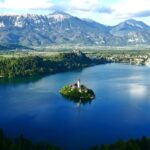
Slovenia’s hidden gem: Bled, where nature meets beauty
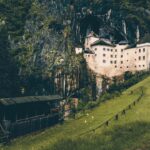
Slovenia’s Predjama Castle: A Medieval Marvel Carved into a Cliff
Discover the charm of traditional alpine living at Velika Planina, Slovenia’s hidden gem.

Discover the beauty of Tivoli Park in Ljubljana, Slovenia’s largest park.

Discover the roots of Slovenian wine at the Old Vine House in Maribor.

Slovenia’s Postojna Cave: A mesmerizing journey through nature’s art gallery.
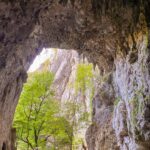
Discover the wonders of Slovenia’s Škocjan Caves, an awe-inspiring UNESCO World Heritage Site.

Discover the timeless beauty of Slovenia’s Koper, where history meets the Mediterranean.
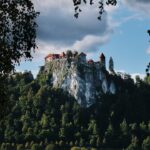
Discover the enchanting beauty and rich heritage of Bled Castle in Slovenia.
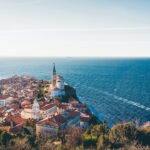
Discover the beauty of Piran Old Town: a blend of history and seaside charm.
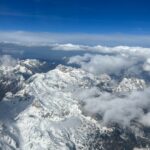
Discover the natural wonders of Slovenia’s Triglav National Park.
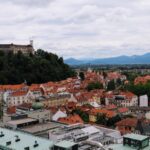
Discover the medieval charm and panoramic views of Ljubljana Castle.

Slovenia’s Maribor: A Historic and Cultural Haven for Wine Enthusiasts
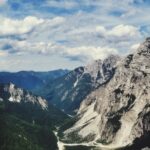
Vršič Pass: Where adventure meets breathtaking beauty.
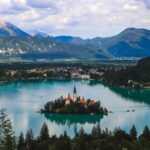
Discover the enchanting beauty of Slovenia’s Lake Bled.
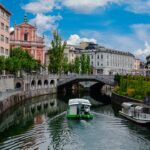
Discover the charm and vibrancy of Ljubljana, Slovenia’s captivating capital city.
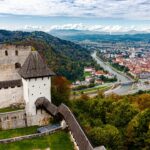
Discover the history and beauty of Celje Castle in Slovenia.
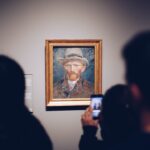
Discover the untold story of the Isonzo Front at Kobarid Museum in Slovenia.

The Slovenia Adventure: Unveiling the Best of Travel and Tourism in a Captivating Land
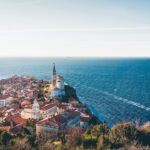
Slovenia Piran: A Venetian Jewel by the Sea

Discover tranquility in Slovenia’s majestic Lake Bohinj, nestled amidst the Julian Alps.