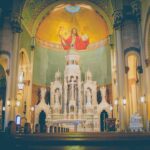
Discover Suriname: Unearth the Secrets of Paramaribo, Journey to Jodensavanne, and Witness the Legacy of an Ancient Synagogue.
“Discover Suriname: Unearth the Secrets of Paramaribo, Journey to Jodensavanne, and Witness the Legacy of an Ancient Synagogue.”
Exploring Suriname: A Journey Through Paramaribo and the Historic Jodensavanne
Suriname, a small, lesser-known country located on the northeastern coast of South America, has a rich and diverse cultural history. With influences from the indigenous people, Europeans, West Africans, and East Indians, Suriname is a melting pot of cultures and traditions. One such fascinating aspect of Suriname’s history is the Jodensavanne, a historic site featuring the ruins of a 17th-century Jewish settlement and the oldest synagogue in the Americas.
Paramaribo, the capital city of Suriname, is a bustling hub of activity and commerce. With its blend of colonial architecture, vibrant markets, and lively street life, it offers a unique experience for travelers looking to explore a different side of South America. Just a short drive from the city, the Jodensavanne beckons visitors to step back in time and explore the history of a once-thriving Jewish community.
The story of the Jodensavanne began in the early 17th century when Jewish settlers from Europe, fleeing persecution, arrived in Suriname. The Dutch, who had established a foothold in the region, granted these settlers a large tract of land along the Suriname River, where they established the Jodensavanne. This settlement quickly became a thriving agricultural community, with the settlers successfully cultivating sugar cane, coffee, and cocoa. They also built a sophisticated system of canals and dikes to manage the water levels on their plantations.
At the heart of the Jodensavanne was the Beracha ve Shalom Synagogue, which was completed in 1685. This historic synagogue was built with a mixture of European and local architectural styles, showcasing the blending of cultures that defined this community. The synagogue was constructed of wood and brick, with a thatched roof made from local palm leaves. The floor of the synagogue was covered with sand, a tradition brought from the settlers’ European roots, symbolizing the Israelites’ journey through the desert.
The Beracha ve Shalom Synagogue was not only the oldest synagogue in the Americas, but it also served as a center for the community’s religious and social life. The Jewish settlers of the Jodensavanne were a diverse group, with Ashkenazi and Sephardic Jews coming together to create a unique and vibrant culture. They practiced their faith openly and without fear of persecution, a luxury that many European Jews could not enjoy at the time.
As the years passed, the Jodensavanne continued to grow and prosper, with the Jewish settlers playing a significant role in the development of Suriname’s economy. They built sugar mills, rum distilleries, and other industries, which made the settlement a vital economic center. The settlers also established a cemetery, which today serves as a poignant reminder of the lives lived and lost in this remote corner of the world.
However, the fortunes of the Jodensavanne began to decline in the 18th century, as a series of events led to the community’s eventual disintegration. The Surinamese economy faced challenges, with falling sugar prices and competition from other colonies in the Caribbean. Additionally, the Jewish settlers faced attacks from both pirates and escaped African slaves, who sought to disrupt the plantation system and the settlers’ way of life.
In 1832, a fire destroyed much of the Beracha ve Shalom Synagogue, and with no resources to rebuild, the remaining settlers slowly abandoned the Jodensavanne. Many moved to Paramaribo, where they integrated into the city’s thriving Jewish community. By the late 19th century, the Jodensavanne was all but forgotten, a ghost of its former self, with the ruins of the synagogue and other structures slowly being reclaimed by the jungle.
Fast forward to the present day, and the Jodensavanne has been recognized for its historical significance, both as a testament to the resilience of the Jewish people and as a fascinating chapter in the story of Suriname. In 2009, the site was added to the UNESCO World Heritage Tentative List, a move that has helped raise awareness of the Jodensavanne and its importance to the history of the Americas.
Visiting the Jodensavanne today is a haunting and poignant experience. The ruins of the Beracha ve Shalom Synagogue stand as a silent witness to the passage of time, with only fragments of its once-majestic walls still standing. The cemetery, with its crumbling headstones and overgrown vegetation, offers a stark contrast to the bustling city of Paramaribo, just a short drive away. The remains of the plantation houses, sugar mills, and other structures can still be seen, though most are now covered by thick jungle vegetation.
As you walk through the Jodensavanne, it’s easy to imagine the lives of the settlers who once called this place home. The air is thick with the weight of history, and the silence is broken only by the sounds of the jungle and the distant flow of the Suriname River. It’s a place where the past and present collide, offering visitors a rare opportunity to step back in time and immerse themselves in a bygone era.
For those interested in the history of the Jewish people, the Jodensavanne offers a unique and fascinating glimpse into a lesser-known chapter of the Jewish diaspora. The fact that this remote settlement in Suriname once housed the oldest synagogue in the Americas is a testament to the resilience and adaptability of the Jewish people, who have faced countless challenges throughout history. The Jodensavanne also serves as a reminder of the incredible cultural diversity that exists in Suriname, a country whose rich tapestry of influences continues to evolve and shape its identity.
In conclusion, the Jodensavanne is a must-visit destination for history buffs, enthusiasts of Jewish heritage, and anyone seeking a unique and thought-provoking experience in Suriname. As you explore the ruins of this once-thriving community, you’ll be transported back in time, gaining a deeper understanding of the challenges and triumphs faced by the Jewish settlers who forged a new life in this remote corner of the world.