ROAMOPEDIA
Roman Baths
Step into history: Uncover the Roman Baths, where ancient waters meet timeless wonders.
“Step into history: Uncover the Roman Baths, where ancient waters meet timeless wonders.”
Exploring the United Kingdom: Discovering Bath’s Roman Baths

Situated in the heart of the picturesque city of Bath lies a fascinating and well-preserved ancient site featuring Roman baths and a museum. Bath itself is a UNESCO World Heritage site, and the Roman Baths are undoubtedly one of the city’s most popular and impressive attractions. Built around 70 AD, this unique landmark offers visitors a chance to explore the ancient world and get up close and personal with the bathing rituals of the Romans, who once occupied this part of the United Kingdom.

As you step into the Roman Baths, you are immediately transported back in time to an era when the site was a bustling center for socializing, relaxation, and worship. The Baths were built around Britain’s only hot springs, which were believed to have healing properties. The Romans capitalized on this natural resource, constructing a series of baths and temples which drew people from far and wide to bathe in the warm, mineral-rich waters.

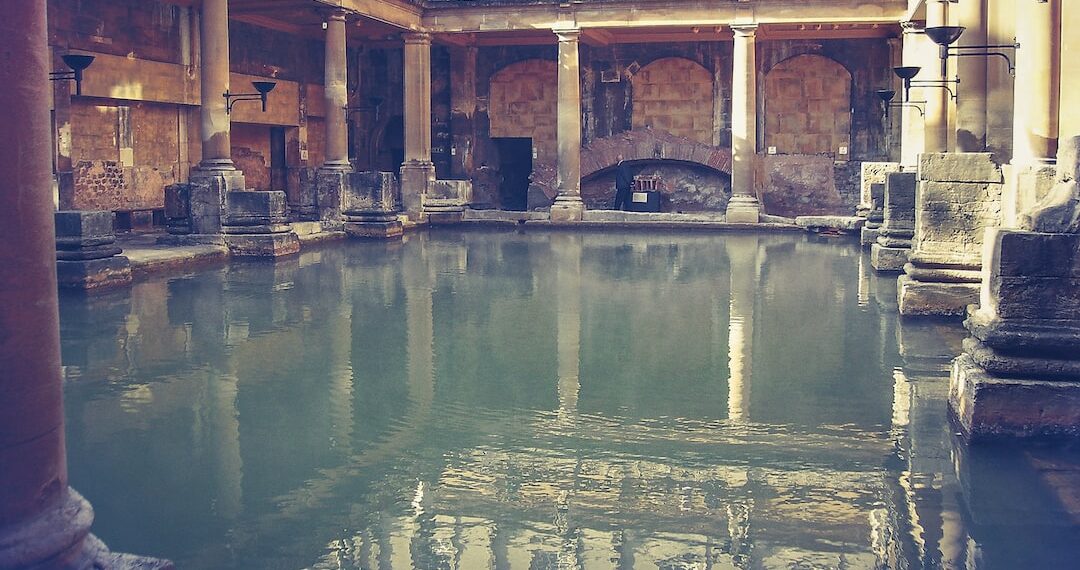
The Great Bath is the centerpiece of the Roman Baths and is a truly awe-inspiring sight. This large, open-air pool was once covered by a grand, vaulted roof, which has since collapsed. However, the pool itself remains remarkably well-preserved. The lead-lined pool is surrounded by stunning architecture, including Roman columns and intricate stone carvings. The crystal-clear waters are still fed by the original hot springs, which gush at a temperature of 46 degrees Celsius (115 degrees Fahrenheit).

As you walk around the Great Bath, you can’t help but imagine the scenes that would have unfolded in this impressive space over 2,000 years ago. Roman citizens would have gathered here to socialize and bathe, and you can almost hear the echoes of their conversations and laughter as you explore this ancient site. The pool is lined with a series of small alcoves, where bathers could sit and chat, or perhaps enjoy a massage or beauty treatment.

Adjacent to the Great Bath is the Sacred Spring, an enclosed chamber where hot water bubbles up through the floor. This natural phenomenon was considered sacred by the Romans, who believed that the spring was a gift from the goddess Sulis Minerva. A temple was built on the site to honor the goddess, and visitors to the Baths can still see the remains of this ancient place of worship. Offerings such as coins and precious objects were thrown into the spring, and many of these artifacts have been recovered and are now on display in the adjoining museum.

One particularly fascinating aspect of the Roman Baths is the extensive network of underground passages, which allowed the Romans to manage and control the flow of water throughout the site. These passages also provided access to the hypocaust, an ingenious system of underfloor heating which ensured that the Baths remained warm and inviting even in the depths of winter. Visitors can explore a small section of these passages, getting a glimpse into the complex engineering that made the Baths such an impressive feat of Roman ingenuity.

The museum at the Roman Baths showcases a wealth of artifacts and treasures that have been discovered during excavations of the site. The collection includes coins, jewelry, pottery, sculptures, and even personal items such as combs and hairpins. Many of these objects offer a fascinating insight into the daily lives of the Romans who visited the Baths, revealing their tastes, fashions, and even their sense of humor.

One of the most impressive exhibits in the museum is the gilt bronze head of the goddess Sulis Minerva, which was found nearby in the Temple Precinct. This exquisite piece of Roman art is a testament to the craftsmanship and skill of the ancient world and serves as a reminder of the importance of the Baths as a place of worship and healing.

A visit to the Roman Baths wouldn’t be complete without taking the opportunity to sample the famous spa water. Although it’s no longer possible to bathe in the waters of the Great Bath, there is a special drinking fountain where visitors can taste the warm, mineral-rich water that has drawn people to the site for thousands of years. It’s an acquired taste, to say the least, but a sip of this ancient elixir is a fitting way to end your journey through the Baths.

As you leave the Roman Baths and step back out onto the streets of modern-day Bath, it’s hard not to be struck by the remarkable continuity that exists between the past and the present. The city’s beautiful Georgian architecture is a testament to its enduring popularity as a spa destination, with people continuing to flock to Bath to enjoy its waters and elegant surroundings. The Roman Baths, however, remain the jewel in the city’s crown, offering a unique and unforgettable experience for visitors from all over the world.

In conclusion, the Roman Baths in Bath are a must-see attraction for anyone with an interest in history, archaeology, or simply the beauty and mystery of the ancient world. This well-preserved site offers a fascinating glimpse into the lives of the Romans who once occupied this part of the United Kingdom, and the museum provides a wealth of information and artifacts to help bring their world to life. Whether you’re a seasoned history buff or simply looking for a unique and memorable day out, a visit to the Roman Baths is sure to leave a lasting impression.

  • Print
  • +-
    Font Size