Exploring the University of Cambridge: United Kingdom’s Architectural Masterpiece and Historic Colleges
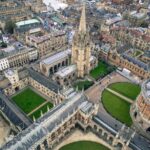
Nestled in the heart of the United Kingdom, the city of Cambridge is home to one of the world’s most prestigious universities, the University of Cambridge. Founded in 1209, this historic institution has been a beacon of academic excellence for over 800 years, drawing scholars from all corners of the globe. With its stunning architecture, storied past, and vibrant intellectual community, the University of Cambridge is truly a sight to behold.
Upon setting foot in Cambridge, one is immediately struck by the city’s rich history, which is evident in its well-preserved architecture. The university is comprised of 31 individual colleges, each with its own unique character and charm. Some of the oldest and most iconic colleges include King’s College, Trinity College, and St. John’s College.
King’s College, founded in 1441 by King Henry VI, is renowned for its breathtaking chapel, a masterpiece of English Gothic architecture. The chapel took nearly a century to complete and is adorned with intricate stained glass windows and a fan-vaulted ceiling, which is regarded as one of the finest examples of its kind in the world. The chapel also houses the world-famous King’s College Choir, which is known for its annual Christmas Eve performance of the Festival of Nine Lessons and Carols, broadcasted globally since 1928.
Trinity College, founded in 1546 by King Henry VIII, boasts a long list of distinguished alumni, including Sir Isaac Newton, Lord Byron, and Prince Charles. The college is centered around the Great Court, the largest enclosed court in Europe, and is home to the Wren Library, designed by Sir Christopher Wren. The library contains numerous rare books and manuscripts, including a first edition of Newton’s Principia Mathematica and an original manuscript of Winnie-the-Pooh by A.A. Milne.
St. John’s College, founded in 1511 by Lady Margaret Beaufort, mother of King Henry VII, is known for its striking red brick architecture and the picturesque Bridge of Sighs. The bridge, which was completed in 1831, spans the River Cam and is named after the famous Bridge of Sighs in Venice due to its supposed resemblance, although the two bridges differ significantly in style.
In addition to the architectural marvels of its colleges, the University of Cambridge is home to numerous museums, galleries, and gardens that showcase the institution’s rich cultural and intellectual heritage. The Fitzwilliam Museum, for example, houses an impressive collection of art and antiquities, including works by Titian, Rubens, and Turner. The Botanic Garden, established in 1762, spans 40 acres and features over 8,000 species of plants, making it an ideal destination for nature enthusiasts.
The University of Cambridge has a long history of academic excellence, and this tradition of scholarly achievement continues to this day. The university consistently ranks among the top institutions in the world in terms of research output and overall performance. In fact, Cambridge has produced more Nobel laureates than any other university, with 121 laureates affiliated with the institution as students, faculty, or research staff.
At the heart of the University of Cambridge’s academic prowess is its unique collegiate system, which fosters a close-knit community of scholars and encourages collaboration across disciplines. Each college functions as its own self-governing body, with its own faculty, staff, and students. This system allows students to benefit from the resources and expertise of a large research university while enjoying the intimate atmosphere and personalized attention of a smaller institution.
Life at the University of Cambridge is not all work and no play, however. The city of Cambridge offers a vibrant social scene, with numerous pubs, restaurants, and clubs catering to the diverse tastes of its residents. The university also hosts a wide array of cultural events throughout the year, including concerts, plays, and exhibitions, ensuring that there is always something to see or do.
One of the highlights of the Cambridge social calendar is the May Week, which takes place in June, contrary to its name. This week-long celebration marks the end of the academic year and features a series of lavish balls, garden parties, and other festivities. The May Ball at Trinity College, in particular, is considered one of the most extravagant and sought-after events of the season, with tickets selling out within minutes of their release.
For those interested in sports, the University of Cambridge boasts a strong athletic tradition, with numerous clubs and societies dedicated to a wide range of activities. The annual Boat Race, a rowing competition between the University of Cambridge and the University of Oxford, is one of the most famous and fiercely contested events in the sporting calendar. The race, which takes place on the River Thames in London, has been held annually since 1856 (with exceptions for the World Wars) and attracts thousands of spectators and millions of television viewers from around the world.
In conclusion, the University of Cambridge is truly a remarkable institution that embodies the spirit of intellectual curiosity and the pursuit of knowledge. Its stunning architecture, rich history, and thriving academic community make it an ideal destination for students, scholars, and visitors alike. Whether you are interested in exploring the hallowed halls of its historic colleges, wandering through its serene gardens, or attending a world-class cultural event, Cambridge offers a wealth of experiences that are sure to captivate and inspire.