Exploring the United Kingdom: A Guide to London’s Buckingham Palace
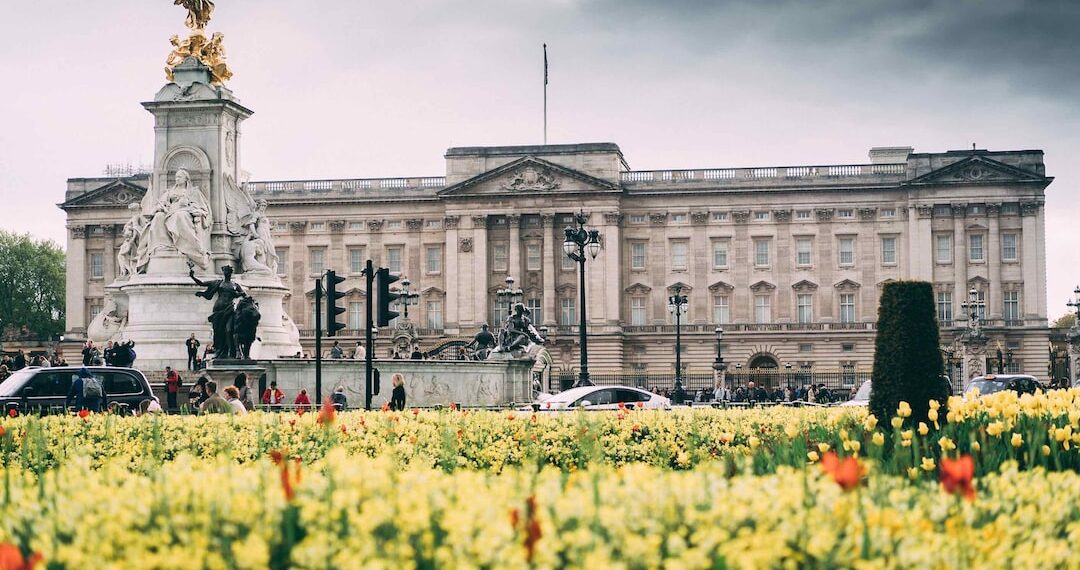
In the heart of London, situated at the end of the magnificent Mall, lies one of the most iconic and recognizable buildings in the world – Buckingham Palace. This grand and imposing structure serves not only as the official London residence and administrative headquarters of the British monarch, but also as an emblem of the enduring British monarchy and its long and storied history.
Buckingham Palace, originally known as Buckingham House, was built in 1703 for the Duke of Buckingham, John Sheffield. In 1761, King George III acquired the house as a private residence for his wife, Queen Charlotte, and their growing family. It was then known as the Queen’s House, and it wasn’t until 1820 when King George IV decided to transform the modest house into a palace suited for a monarch.
The transformation of Buckingham House into the grand palace we see today was a collaborative effort, with renowned architects John Nash and Edward Blore overseeing the extensive renovations and expansions. The result is a stunning blend of architectural styles, with the original 18th-century core of the building melding seamlessly with the 19th-century neoclassical additions. The palace’s famous east front, which includes the iconic balcony from which the royal family greets the public on special occasions, was added in 1850, designed by architect Sir Aston Webb.
Covering an impressive 39 acres, the palace grounds are a verdant oasis in the bustling city of London. The palace gardens are home to over 350 different species of wildflowers, as well as numerous trees, shrubs, and a serene lake. The gardens also house the royal tennis court, a heliport, and various other amenities befitting a royal residence. The grounds are meticulously maintained by a team of skilled gardeners, who ensure that the gardens remain a picturesque and tranquil retreat for the royal family and their guests.
Upon entering the palace, one is immediately struck by the sheer opulence and grandeur of the interior. The palace boasts a staggering 775 rooms, including 19 State Rooms, 52 royal and guest bedrooms, 188 staff bedrooms, 92 offices, and 78 bathrooms. Each room is exquisitely decorated, with priceless works of art, ornate furnishings, and luxurious fabrics adorning every surface.
The State Rooms, which are used for official functions and receptions, are perhaps the most impressive spaces within the palace. The Throne Room, resplendent with crimson silk damask and gilded accents, houses the thrones of King George V and Queen Mary, as well as the throne of the current monarch, Queen Elizabeth II. The Ballroom, the largest of the State Rooms, is an awe-inspiring space, with its 36.6-meter length and grand chandeliers. It is here that state banquets and investitures take place, with a table that can accommodate up to 170 guests.
Buckingham Palace is also home to an extensive and impressive art collection, known as the Royal Collection. This collection, which belongs to the British monarch, includes over 7,000 paintings, 30,000 watercolors and drawings, and a staggering 500,000 prints. Works by renowned artists such as Rembrandt, Vermeer, and Van Dyck grace the walls of the palace, alongside countless pieces of valuable porcelain, tapestries, and furniture.
In addition to its role as the official residence of the monarch, Buckingham Palace also serves as the administrative headquarters of the monarchy. The palace houses the offices of the Royal Household, which is responsible for the day-to-day running of the monarchy and supports the monarch in their official duties. The palace also contains offices for various other members of the royal family, as well as personal staff and advisers.
One of the most famous and beloved aspects of Buckingham Palace is the Changing of the Guard ceremony. This colorful and highly choreographed event takes place daily at 11:30 am from April to July and on alternate days for the remainder of the year, weather permitting. The ceremony involves the New Guard, usually consisting of soldiers from the Foot Guards regiments, relieving the Old Guard, who have been on duty protecting the palace. Accompanied by a regimental band, the ceremony is a spectacle of precision marching and pageantry that draws crowds of tourists and locals alike.
Buckingham Palace is also the focal point for many national celebrations and events. The palace’s iconic balcony has been the setting for countless historic moments, such as the first public appearance of Prince Charles and Lady Diana Spencer following their wedding in 1981, and the annual Trooping the Colour ceremony, which marks the Queen’s official birthday. The palace also serves as the backdrop for state visits, with foreign dignitaries often being welcomed with a ceremonial guard of honor on the palace forecourt.
While the palace is primarily a private residence for the British monarch, portions of the palace are open to the public during the summer months. Visitors can tour the State Rooms and view the Royal Collection, as well as explore the palace gardens. This rare glimpse into the inner workings of the monarchy is a fascinating and unforgettable experience for those fortunate enough to visit.
Buckingham Palace is undoubtedly one of the most iconic and enduring symbols of both the British monarchy and the city of London itself. Its grand façade and opulent interiors serve as a testament to the power and prestige of the monarchy, while its role as a working palace ensures that it remains an integral part of the nation’s cultural and political fabric. As the residence and administrative headquarters of the British monarch, Buckingham Palace will continue to hold a special place in the hearts of the British people and captivate visitors from around the world for generations to come.