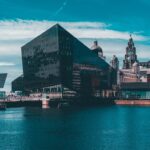
Experience the Electric Fusion of Art and History at Tate Modern, London’s Powerhouse of Contemporary Creativity.
“Experience the Electric Fusion of Art and History at Tate Modern, London’s Powerhouse of Contemporary Creativity.”
Exploring London’s Tate Modern: The United Kingdom’s Powerhouse of Contemporary Art
As the sun sets behind the iconic skyline of London, casting its golden glow across the River Thames, a particular building stands out from the rest. It is a striking blend of industrial architecture and innovative design, a testament to the transformative power of art and its ability to breathe new life into even the most unlikely of spaces. This is the Tate Modern, a contemporary art museum housed in a former power station, and it has become one of London’s most cherished cultural institutions since its opening in 2000.
Nestled on the South Bank of the Thames, the Tate Modern’s imposing brick facade offers an impressive contrast to the glittering glass structures that surround it. The building itself is a marvel, having once been the Bankside Power Station, designed by architect Sir Giles Gilbert Scott in the 1940s. The power station was decommissioned in the 1980s, and after a period of uncertainty about its future, it was eventually repurposed into the world-class gallery it is today.
As you approach the museum, you will undoubtedly be struck by the sheer size of the building. The towering chimney, which once served a vital purpose in the power station’s operations, now stands as a proud symbol of the gallery’s industrial past. The exterior of the building retains much of its original character, with its brickwork and large, imposing windows that offer a glimpse into the cavernous interior.
Upon entering the Tate Modern, you will find yourself in the vast Turbine Hall, which once housed the power station’s electricity-generating turbines. This colossal space has been transformed into a unique setting for a rotating program of large-scale installations, showcasing the work of some of the most innovative and ambitious contemporary artists from around the world. It is here, beneath the soaring ceiling and surrounded by the imposing concrete walls, that visitors can truly appreciate the scale and ambition of the art on display.
As you make your way through the museum, you will be struck by the seamless blending of old and new, as the building’s industrial past is incorporated into the gallery’s design. The original steel beams and concrete pillars are left exposed, providing a striking contrast to the sleek, modern features that have been added to create a truly unique and inspiring space in which to explore contemporary art.
The Tate Modern’s collection is vast and varied, spanning multiple genres and styles, and providing a comprehensive overview of the art world’s most significant movements and moments over the past century. The museum’s permanent collection is divided into several thematic galleries, each offering a different perspective on the world of contemporary art. From surrealism to pop art, minimalism to abstract expressionism, visitors can delve into the rich and diverse history of modern art and discover the stories, ideas, and inspirations behind some of the most iconic works in the museum’s collection.
As you wander through the galleries, you will encounter works by some of the most renowned artists of the 20th and 21st centuries, such as Pablo Picasso, Henri Matisse, Jackson Pollock, and Andy Warhol, to name just a few. The museum also boasts an extensive collection of British art, celebrating the nation’s rich artistic heritage and showcasing the work of some of the United Kingdom’s most esteemed artists, such as David Hockney, Francis Bacon, and Lucian Freud.
In addition to its permanent collection, the Tate Modern hosts a dynamic program of temporary exhibitions, featuring the work of both established and emerging artists from around the globe. These exhibitions offer an opportunity for visitors to discover new and exciting developments in the world of contemporary art and to engage with a diverse range of artistic practices and perspectives.
One of the museum’s most significant innovations has been its commitment to engaging visitors in an active conversation about art. The Tate Modern is dedicated to fostering an inclusive and accessible environment in which everyone, regardless of their background or experience, can feel welcome and inspired. To this end, the museum offers a wide range of events and activities, from guided tours and talks to workshops and performances, designed to encourage a deeper understanding and appreciation of the art on display.
As the sun begins to dip below the horizon, casting its final rays across the Thames, the Tate Modern’s exterior is transformed once again, as the building’s facade is illuminated by a mesmerizing display of light and color. This nightly spectacle serves as a fitting tribute to the power of art to transform and inspire, and as a testament to the enduring appeal of this extraordinary museum.
The Tate Modern’s unique combination of groundbreaking contemporary art, a vast and varied collection, and an awe-inspiring architectural setting has earned it a reputation as one of London’s most iconic cultural institutions. Whether you are a seasoned art lover or a curious newcomer, a visit to the Tate Modern is sure to be an unforgettable experience, leaving you with a newfound appreciation for the boundless creativity and innovation that defines the world of contemporary art.
As you leave the Tate Modern, with its dazzling display of artistic brilliance still fresh in your mind, you cannot help but feel a sense of wonder at the transformative power of art. The museum stands as a testament to the ability of creativity and vision to breathe new life into even the most unlikely of spaces, and as a reminder of the importance of preserving and celebrating our rich artistic heritage for future generations to enjoy.
In a world that often seems to be moving at breakneck speed, the Tate Modern offers a welcome respite, a place where we can pause and reflect on the beauty and complexity of the human experience, as expressed through the medium of art. It is a place where the past and the present, the industrial and the artistic, the familiar and the unknown, all come together in a breathtaking display of creativity and imagination.