Exploring Westminster Abbey: London’s Iconic Gothic Church and Royal Landmark
In the heart of London, nestled between the Houses of Parliament and the bustling streets of the city, lies Westminster Abbey, a stunning Gothic church that has been the site of royal coronations, weddings, and funerals for centuries. This magnificent building, with its intricate stonework, towering spires, and illustrious history, is not only an important place of worship but also a testament to the grandeur of British architecture and the rich cultural heritage of the United Kingdom.
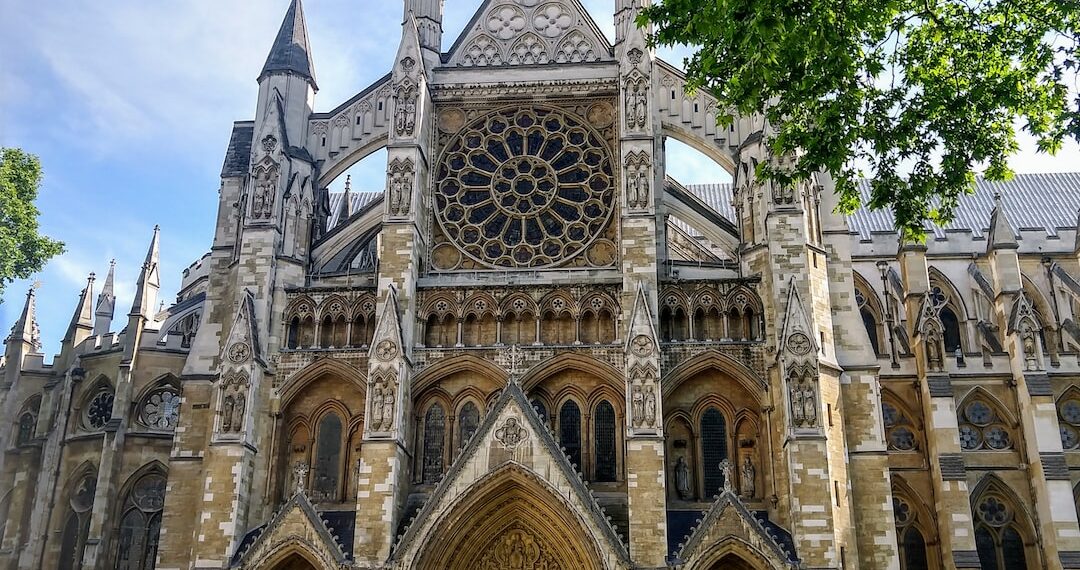
As you approach Westminster Abbey from any direction, the first thing you’ll notice is its breathtaking façade. The sheer size of the church, combined with its intricate Gothic detailing, makes it impossible to miss among the surrounding buildings. The exterior is adorned with statues, gargoyles, and other stonework that exemplify the Gothic style, creating an awe-inspiring sight for visitors and passersby alike.
Upon entering the church, you’ll be greeted by the vast, vaulted ceilings that soar high above the nave, which extends the length of the church. The Gothic arches and ribbed vaulting create an ethereal atmosphere that adds to the sense of reverence and history that pervades Westminster Abbey. As you walk down the nave, you’ll be struck by the beautiful stained glass windows that adorn the walls on either side, casting a colourful and mesmerizing light throughout the space.
One of the most striking features of Westminster Abbey is its magnificent organ, which is housed in a beautifully carved wooden case that spans the width of the church. The organ has been an integral part of the Abbey’s musical heritage since the 13th century, and it continues to be used for services and special events to this day. As you stand beneath its intricate pipes and admire the craftsmanship that went into creating this extraordinary instrument, you can almost hear the haunting melodies that have filled the church for centuries.
As you continue your exploration of Westminster Abbey, you’ll come across the many chapels and tombs that are scattered throughout the church. These spaces serve not only as places of worship but also as the final resting places for some of the most notable figures in British history. Among the many luminaries interred within the Abbey’s walls are monarchs such as Edward the Confessor, Henry III, and Elizabeth I, as well as famous poets and writers like Geoffrey Chaucer, Charles Dickens, and Rudyard Kipling.
One of the most famous tombs in Westminster Abbey is that of the Unknown Warrior, which commemorates the countless soldiers who lost their lives during World War I and whose bodies were never identified. The tomb is adorned with a simple black marble slab and is inscribed with the words “Beneath this stone rests the body of a British warrior unknown by name or rank brought from France to lie among the most illustrious of the land.” The tomb serves as a poignant reminder of the sacrifices made by so many during the Great War and is a place of quiet reflection for visitors.
Westminster Abbey’s long association with the British monarchy is perhaps its most well-known claim to fame. Since the coronation of William the Conqueror in 1066, every English and British monarch has been crowned within the church’s hallowed walls. The Abbey is also the site of many royal weddings, including those of Queen Elizabeth II and Prince Philip, Prince Charles and Lady Diana Spencer, and most recently, Prince William and Catherine Middleton.
The Coronation Chair, an ancient wooden throne encased in gold, is another symbol of Westminster Abbey’s royal connections. Commissioned by King Edward I in 1296, the chair has been used at every coronation since. Visitors can admire the intricate carvings and the rich history of this unique piece of furniture, which has borne witness to centuries of royal pomp and circumstance.
In addition to its role as a royal church, Westminster Abbey has also played a significant part in the intellectual and cultural life of the United Kingdom. The Abbey has hosted numerous significant events, including the funerals of Sir Isaac Newton, Charles Darwin, and Stephen Hawking, and the wedding of Sir Winston Churchill’s daughter. The Poets’ Corner, a section of the Abbey dedicated to the memory of Britain’s literary greats, is another testament to the church’s cultural significance.
Visiting Westminster Abbey is an unforgettable experience that takes you on a journey through the rich history of the United Kingdom. From the awe-inspiring architecture to the stories of the many notable figures who have walked its halls, the Abbey is a living testament to the grandeur of Britain’s past.
As you leave the hushed and reverent atmosphere of Westminster Abbey, you’ll find yourself back in the bustling streets of London, surrounded by the sights and sounds of the modern city. Yet, the memories of the Abbey and its illustrious past will stay with you, serving as a reminder of the enduring legacy of this magnificent Gothic church and its place in the hearts and minds of the British people.
In conclusion, Westminster Abbey is not only a stunning example of Gothic architecture but also a living testament to the rich history and cultural heritage of the United Kingdom. With its royal connections, significant tombs, and awe-inspiring interior, a visit to this iconic landmark is a must for anyone seeking to immerse themselves in the grandeur of Britain’s past.