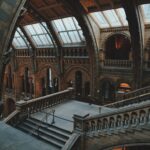
Discover the Ottoman charm and cultural heritage of Albania in Berat, the City of a Thousand Windows.
“Discover the Ottoman charm and cultural heritage of Albania in Berat, the City of a Thousand Windows.”

Berat
Berat is a small city located in the south-central region of Albania. Known as the “City of a Thousand Windows,” Berat is a UNESCO World Heritage Site and is famous for its well-preserved Ottoman architecture. The city is situated on the banks of the Osum River and is surrounded by mountains, making it a picturesque destination for tourists.
Berat has a rich history that dates back to the 6th century BC when it was known as Antipatreia. The city was conquered by the Romans in the 2nd century BC and later became part of the Byzantine Empire. In the 14th century, Berat was taken over by the Ottoman Empire, and it remained under Ottoman rule until Albania gained independence in 1912.
The Ottoman influence is evident in Berat’s architecture, which is a mix of Byzantine and Islamic styles. The city’s most iconic feature is its white-washed houses with red-tiled roofs that cling to the hillside overlooking the river. These houses are a testament to Berat’s long history and have earned the city its nickname.
One of the must-see sites in Berat is the Castle of Berat, which dates back to the 4th century BC. The castle is perched on a hilltop and offers stunning views of the city and the surrounding mountains. Inside the castle walls, visitors can explore the medieval churches, mosques, and traditional houses.
Another popular attraction in Berat is the Onufri Museum, located in the Cathedral of St. Mary. The museum houses a collection of 16th-century icons painted by Onufri, a famous Albanian artist. The icons are renowned for their vibrant colors and intricate details and are considered some of the best examples of Byzantine art in the world.
For those interested in outdoor activities, Berat offers plenty of opportunities to explore the surrounding mountains and countryside. The Osum Canyon is a popular destination for hiking and kayaking, and visitors can also go horseback riding or mountain biking in the area.
Berat is also known for its delicious cuisine, which is a blend of Mediterranean and Balkan flavors. The city’s most famous dish is tave kosi, a lamb and yogurt casserole that is cooked in a traditional clay pot. Visitors can sample this and other local specialties at one of the many restaurants and cafes in the city.
Overall, Berat is a charming and historic city that offers a unique glimpse into Albania’s past and present. Its well-preserved architecture, stunning natural beauty, and delicious cuisine make it a must-visit destination for anyone traveling to Albania.
Berat Castle is a magnificent fortress located in the city of Berat, Albania. It is a UNESCO World Heritage Site, and one of the most important historical landmarks in the country. The castle is perched on a hill and overlooks the city, offering stunning views of the surrounding landscape.
The castle dates back to the 4th century BC, when it was built by the Illyrian tribe of Dassaretae. Over the centuries, it was expanded and renovated by various rulers, including the Romans, Byzantines, and Ottomans. Today, it is a fascinating mix of architectural styles, with influences from different periods of Albanian history.
One of the most impressive features of the castle is its massive walls, which are over 2.5 kilometers long and up to 28 meters high in some places. The walls were built to protect the castle from invaders, and they have stood the test of time, even surviving several earthquakes.
Inside the castle, visitors can explore a maze of narrow streets and alleys, lined with traditional houses and small shops selling local handicrafts. There are also several important historical monuments within the castle, including the Red Mosque, which was built in the 15th century and is one of the oldest mosques in Albania.
Another important monument is the Onufri Museum, which is located in the castle’s main church. The museum houses a collection of religious art, including some of the finest examples of iconography in Albania. The museum is named after Onufri, a famous 16th-century Albanian artist who was known for his vivid and colorful icons.
Visitors to Berat Castle can also climb to the top of the hill to visit the castle’s citadel, which offers panoramic views of the city and the surrounding countryside. The citadel was once the residence of the castle’s ruler, and it is now a popular spot for tourists to take photos and enjoy the scenery.
In addition to its historical and cultural significance, Berat Castle is also an important symbol of Albanian identity and national pride. It has been featured on Albanian currency and postage stamps, and it is a popular destination for Albanians who want to learn more about their country’s rich history and heritage.
Overall, Berat Castle is a must-see destination for anyone visiting Albania. Its impressive walls, winding streets, and fascinating history make it one of the most unique and intriguing castles in Europe. Whether you are a history buff, an art lover, or just someone who appreciates beautiful architecture, Berat Castle is sure to leave a lasting impression on you.
Onufri Iconography Museum
Nestled in the heart of the Albanian capital, Tirana, lies a hidden gem of the art world. Tucked away in the stunning 18th-century Saint Mary’s Church, the Onufri Iconography Museum is a must-see for anyone visiting the city.
The museum is named after the famous Albanian iconographer, Onufri, who lived and worked in the 16th century. His works are considered some of the most significant examples of Albanian art, and the museum is dedicated to preserving and showcasing his legacy.
Walking through the museum’s doors, visitors are transported back in time. The walls are lined with beautifully preserved icons, each one telling a unique story. The museum’s collection includes works from the 16th to the 20th century, with pieces from Onufri’s own workshop taking center stage.
One of the most impressive works on display is the “Resurrection of Christ,” a large-scale icon that dominates one of the museum’s walls. The vivid colors and intricate details are breathtaking, and it’s easy to see why Onufri’s works were so highly regarded.
But the museum isn’t just a tribute to Onufri’s talent. It also serves as a testament to the rich history of Albanian art and culture. The works on display showcase the evolution of iconography in Albania, from its early Byzantine influences to the unique style that emerged during the Ottoman period.
One of the most interesting aspects of the museum is the way it blends the old with the new. Alongside the traditional icons, visitors can also see contemporary works inspired by Onufri’s legacy. These pieces offer a fresh perspective on Albanian art and show how his influence continues to be felt today.
In addition to the permanent collection, the museum also hosts temporary exhibitions throughout the year. These showcase the work of both local and international artists, offering visitors a chance to see a diverse range of art and styles.
The Onufri Iconography Museum is more than just a tourist attraction. It’s a vital part of Albania’s cultural heritage, and it plays an important role in preserving and promoting the country’s art and history.
Visiting the museum is a truly immersive experience. The stunning architecture of the church provides the perfect backdrop for the works on display, and the museum’s knowledgeable staff are always on hand to answer questions and offer insights into the pieces.
For anyone interested in art, history, or culture, the Onufri Iconography Museum is a must-see. It’s a chance to step back in time and explore the rich history of Albanian art, while also experiencing the vibrant contemporary scene.
Whether you’re a seasoned art lover or simply curious about the world around you, the Onufri Iconography Museum is a place that will leave a lasting impression. So why not pay a visit and discover the beauty and history of Albanian art for yourself?
Gorica Bridge
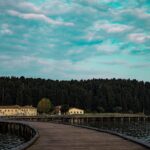
The Gorica Bridge is a stunning architectural marvel located in the city of Podgorica, Montenegro. This impressive structure spans over the Morača River and connects the neighborhoods of Gorica and Stara Varoš. The bridge is a symbol of modernity and progress for the city, and it has become a popular tourist destination in recent years.
The Gorica Bridge was built in 2005 and was designed by the renowned architect Mladen Ulićević. The bridge is a cable-stayed structure, which means that it is supported by cables that are attached to towers on either side of the river. The main span of the bridge is 250 meters long, and it has a total length of 460 meters. The bridge is made of reinforced concrete and steel, and it has a sleek and modern design that blends in seamlessly with its surroundings.
One of the most striking features of the Gorica Bridge is its lighting system. The bridge is illuminated with LED lights that change color throughout the night, creating a stunning visual display. The lighting system was designed by the lighting designer Dean Skira, who is known for his work on other iconic structures such as the Arena di Verona in Italy and the Abu Dhabi National Exhibition Centre.
The Gorica Bridge has become a popular spot for locals and tourists alike, who come to admire its beauty and take in the stunning views of the Morača River and the surrounding mountains. The bridge is also an important transportation link, as it provides a vital connection between the neighborhoods of Gorica and Stara Varoš.
The Gorica Bridge is not only a beautiful structure, but it is also an important symbol of progress for the city of Podgorica. The city has undergone significant development in recent years, and the construction of the bridge was a key part of this growth. The bridge has helped to connect different parts of the city and has made it easier for people to travel and do business.
In addition to its practical and aesthetic benefits, the Gorica Bridge has also become a symbol of unity and cooperation between different communities in Montenegro. The bridge was built with the support of both the Montenegrin and Serbian governments, and it has helped to strengthen ties between these two countries. The bridge is a testament to the power of collaboration and the benefits that can come from working together towards a common goal.
the Gorica Bridge is a stunning example of modern architecture and engineering, and it has become an important symbol of progress and unity for the city of Podgorica and the country of Montenegro. Its sleek design, impressive lighting system, and practical benefits have made it a popular destination for tourists and locals alike. The Gorica Bridge is a testament to the power of collaboration and the potential for growth and development when people work together towards a common goal.
Mangalem Quarter
Mangalem Quarter is a historic area located in the city of Berat, Albania. It is known for its well-preserved Ottoman-era architecture and is often referred to as the “city of a thousand windows.” The quarter sits on a hill overlooking the Osum River and is a popular tourist destination for those interested in history and architecture.
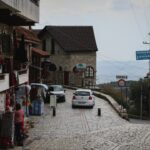
The Mangalem Quarter was built in the 18th and 19th centuries and is characterized by narrow, winding streets, stone houses, and traditional Ottoman-style buildings. The houses are made of stone and have wooden balconies that jut out over the streets, providing a perfect vantage point for admiring the views of the river and the surrounding mountains.
One of the most notable features of the Mangalem Quarter is the Berat Castle, which sits atop the hill overlooking the area. The castle dates back to the 13th century and is a UNESCO World Heritage site. Visitors can explore the castle and its many towers, chapels, and museums, and enjoy breathtaking views of the city below.
Another popular attraction in the Mangalem Quarter is the Ethnographic Museum, which is housed in a traditional Ottoman-style house and showcases the local culture and history of the area. The museum features exhibits on traditional crafts, clothing, and customs, and offers visitors a glimpse into the daily life of the people who lived in the area.
In addition to its history and architecture, the Mangalem Quarter is also known for its vibrant culture and lively atmosphere. The area is home to many cafes, bars, and restaurants, where visitors can enjoy traditional Albanian cuisine and drinks while soaking up the local ambiance.
One of the best ways to experience the Mangalem Quarter is by taking a walking tour of the area. Many tour companies offer guided tours of the quarter, which provide visitors with an in-depth look at its history, culture, and architecture. Walking tours also allow visitors to explore the narrow streets and alleys of the area, which are often too narrow for cars or buses.
The Mangalem Quarter is a must-visit destination for anyone interested in history, architecture, or culture. Its well-preserved Ottoman-era buildings, traditional crafts, and lively atmosphere make it a unique and unforgettable experience. Whether you’re a history buff, an architecture enthusiast, or simply looking for a beautiful and interesting place to explore, the Mangalem Quarter is definitely worth a visit.