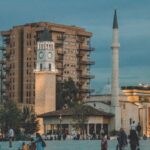
Krujë: Where history and culture come alive in Albania
“Krujë: Where history and culture come alive in Albania.”
Krujë
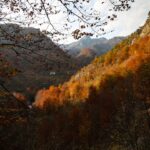
Krujë is a small town located in the central part of Albania. It is a popular tourist destination due to its rich history and cultural heritage. The town is situated on a hilltop, overlooking the Adriatic Sea, and is surrounded by picturesque mountains. Visitors to Krujë can expect to find a range of historical landmarks, museums, and traditional markets.
Krujë is perhaps best known for being the birthplace of Albania’s national hero, Skanderbeg. Skanderbeg was a prominent military commander who led the resistance against the Ottoman Empire in the 15th century. Today, visitors to Krujë can visit the Skanderbeg Museum, which is dedicated to his life and achievements. The museum houses a collection of weapons, armor, and historical artifacts from the period.
Another popular attraction in Krujë is the Krujë Castle. The castle dates back to the 5th century and has been rebuilt and renovated several times throughout history. Visitors can explore the castle’s walls and towers, and enjoy panoramic views of the surrounding landscape. The castle also houses the Ethnographic Museum, which showcases traditional Albanian culture and customs.
One of the most vibrant areas of Krujë is the Old Bazaar. The bazaar is a traditional market that dates back to the 17th century. It is a maze of narrow streets and alleys lined with shops selling a range of goods, from traditional crafts and souvenirs to fresh produce and spices. Visitors can also sample local delicacies, such as burek (a savory pastry) and rakia (a fruit brandy).
Krujë is also a great place to experience traditional Albanian hospitality. The town is home to several guesthouses and restaurants that offer authentic Albanian cuisine and warm hospitality. Visitors can enjoy dishes such as tave kosi (a lamb and yogurt casserole) and fërgesë (a dish made with peppers, tomatoes, and cheese).
In addition to its historical and cultural attractions, Krujë is also a great base for exploring the surrounding area. The town is located just a short drive from the capital city of Tirana, which is home to a range of museums, galleries, and cultural events. Visitors can also explore the nearby mountains and national parks, which offer hiking and outdoor activities.
Overall, Krujë is a charming and historic town that offers visitors a glimpse into Albania’s rich cultural heritage. With its stunning mountain views, traditional markets, and historical landmarks, it is a must-visit destination for anyone traveling to Albania. Whether you are interested in history, culture, or outdoor activities, Krujë has something to offer everyone.
Skanderbeg Castle
Skanderbeg Castle
Skanderbeg Castle, also known as Krujë Castle, is a fortress located in the city of Krujë, Albania. It is named after the Albanian national hero, Gjergj Kastrioti Skënderbeu, who defended the country against the Ottoman Empire in the 15th century.
The castle was built in the 5th century BC by the Illyrians, a group of tribes that inhabited the western Balkans. It was later expanded by the Byzantines, who used it as a military stronghold against the Bulgarians and the Slavs.
In the 14th century, the castle was conquered by the Ottoman Empire, and it remained under their control until the 20th century. During this time, it was used as a military base and a prison, and it suffered significant damage from various wars and sieges.
In the early 20th century, the castle was restored and turned into a museum dedicated to Skanderbeg and the Albanian resistance against the Ottoman Empire. Today, it is one of the most popular tourist attractions in Albania, attracting thousands of visitors every year.
The castle is located on a hill overlooking the city of Krujë, and it offers stunning views of the surrounding landscape. It is surrounded by walls that are up to 20 meters high, and it has several towers and gates that were used for defense.
Inside the castle, there are several buildings that have been preserved and turned into museums. The most famous of these is the Skanderbeg Museum, which houses a collection of weapons, armor, and artifacts related to Skanderbeg and the Albanian resistance.
Other museums include the Ethnographic Museum, which showcases traditional Albanian clothing, tools, and household items, and the Historical Museum, which focuses on the history of Krujë and the surrounding region.
Visitors can also explore the castle’s underground tunnels, which were used for communication and transportation during times of war. These tunnels are dark and narrow, so visitors should be prepared to climb stairs and crawl through tight spaces.
In addition to the museums and tunnels, the castle also has several restaurants and souvenir shops where visitors can enjoy traditional Albanian cuisine and purchase souvenirs and gifts.
Overall, Skanderbeg Castle is a fascinating historical site that offers a glimpse into the rich history and culture of Albania. Whether you are a history buff or simply looking for a unique and memorable travel experience, a visit to Skanderbeg Castle is sure to be a highlight of your trip to Albania.
Krujë Bazaar
Krujë Bazaar
Krujë, a small town in Albania, is known for its rich cultural heritage and its bustling bazaar. The Krujë Bazaar is a vibrant marketplace that has been around for centuries, and it is one of the most popular tourist attractions in the country.
The bazaar is located in the heart of the town, and it is a maze of narrow streets and alleys lined with shops and stalls selling a wide range of goods. From traditional Albanian handicrafts to modern clothing and accessories, the bazaar has something for everyone. The vendors are friendly and welcoming, and they are always happy to chat with visitors and share their stories.
One of the most interesting things about the Krujë Bazaar is its history. The bazaar has been around since the Ottoman era, and it has survived wars, earthquakes, and other disasters. Despite these challenges, the bazaar has remained a thriving hub of commerce and culture.
Another unique aspect of the Krujë Bazaar is the architecture. The buildings in the bazaar are made of stone and wood, and they have a distinctive Ottoman style. The narrow streets and alleys are also a reflection of the town’s history, as they were designed to protect the town from invaders.
Visitors to the Krujë Bazaar can expect to find a wide range of goods for sale. Handicrafts are a popular item, with vendors selling everything from traditional Albanian carpets and rugs to handmade pottery and jewelry. Clothing and accessories are also available, with many vendors selling modern items alongside traditional garments.
Food is another highlight of the Krujë Bazaar. Visitors can sample traditional Albanian dishes such as fërgesë, a dish made with peppers, tomatoes, and cheese, or byrek, a savory pastry filled with meat or cheese. Fresh fruits and vegetables are also available, as well as a variety of sweets and pastries.
While the Krujë Bazaar is a great place to shop and sample local cuisine, it is also a cultural hub. The bazaar is home to several museums and galleries, where visitors can learn more about Albanian history and culture. The National Museum of George Kastrioti Skanderbeg is located in the heart of the bazaar, and it is dedicated to the life and legacy of the Albanian hero.
In addition to the museums and galleries, there are also several mosques and churches in the bazaar. The Ethem Bey Mosque is one of the most famous, and it is a beautiful example of Ottoman architecture. Visitors are welcome to enter the mosque and admire its intricate details and decorations.
The Krujë Bazaar is a must-visit destination for anyone traveling to Albania. Its rich history, unique architecture, and vibrant culture make it an unforgettable experience. Whether you’re shopping for souvenirs, sampling local cuisine, or simply exploring the narrow streets and alleys, the Krujë Bazaar is sure to leave a lasting impression.
National Ethnographic Museum
Located in the heart of the capital city, the National Ethnographic Museum is a must-visit destination for anyone interested in learning about the rich cultural heritage of Albania. This museum is one of the most significant cultural institutions in the country and is home to an extensive collection of artifacts and exhibits that showcase the traditions and customs of Albanian people.
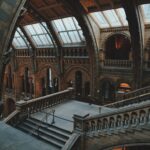
The museum is housed in a beautiful Ottoman-era building that was once a palace for the country’s royal family. Its architecture reflects the traditional Albanian style and features a stunning courtyard that is perfect for taking a break and enjoying the peaceful surroundings.
The exhibits in the museum are divided into different sections, each highlighting a specific aspect of Albanian culture. Visitors can explore the history of traditional clothing, jewelry, and accessories, as well as the customs and rituals associated with various celebrations and festivals. The museum also has a section dedicated to the country’s traditional crafts, such as weaving, pottery, and woodcarving.
One of the most impressive exhibits in the museum is the collection of traditional Albanian costumes. These garments are beautifully crafted and represent the different regions and tribes of Albania. Visitors can learn about the significance of each piece of clothing and how it was worn during different occasions.
Another highlight of the museum is the section dedicated to Albanian music. Visitors can listen to traditional songs and learn about the different musical instruments that are unique to Albania. The museum also hosts live performances by local musicians, providing visitors with an opportunity to experience the country’s rich musical heritage firsthand.
One of the most interesting exhibits in the museum is the one dedicated to Albanian folklore. Here, visitors can learn about the country’s myths and legends, as well as the superstitions and beliefs that are still prevalent in Albanian culture today. The exhibit features interactive displays and multimedia presentations that make learning about folklore engaging and fun.
The National Ethnographic Museum is not just a place to learn about Albanian culture; it is also a place to reflect on the country’s history and the challenges it has faced over the years. The museum has a section dedicated to Albania’s struggle for independence and the country’s communist past. Visitors can learn about the sacrifices made by Albanian patriots and the impact that communism had on the country’s cultural heritage.
Overall, the National Ethnographic Museum is a fascinating destination for anyone interested in learning about Albanian culture and history. Its exhibits are well-curated, and the museum’s staff is knowledgeable and friendly. Whether you’re a history buff, an art lover, or simply curious about other cultures, the National Ethnographic Museum is a must-visit destination in Tirana.
Teqe of Dollma
The Teqe of Dollma is a religious and cultural monument located in the village of Dollma, Albania. The Teqe is a place of worship for the Bektashi sect of Islam and is considered a significant pilgrimage site for its followers.
The Teqe of Dollma was built in the 18th century and is a beautiful example of Ottoman architecture. The building is made of stone and features a large dome that is supported by four arches. The interior of the Teqe is adorned with intricate frescoes and calligraphy, which add to its beauty and significance.
The Teqe of Dollma is also home to the tomb of Abaz Aliu, a prominent Bektashi saint who lived in the area during the 17th century. The tomb is located in a small room inside the Teqe and is considered a sacred place by Bektashi followers.
The Teqe of Dollma is not just a place of worship; it is also a cultural center for the Bektashi community. The Teqe hosts several festivals and events throughout the year, including the annual celebration of Abaz Aliu’s death. During these events, Bektashi followers from all over Albania and beyond come to the Teqe to pay their respects and participate in religious ceremonies.
Visitors to the Teqe of Dollma are welcomed, regardless of their religious beliefs. However, it is important to respect the customs and traditions of the Bektashi community while visiting the Teqe. Visitors should dress modestly and remove their shoes before entering the building.
The Teqe of Dollma is located in a scenic area, surrounded by mountains and lush greenery. The village of Dollma is a popular destination for hikers and nature lovers, and the Teqe is often included in hiking routes in the area.
In addition to its religious and cultural significance, the Teqe of Dollma is also an important historical monument. The Teqe was built during the Ottoman era, when Albania was under Ottoman rule. The Ottoman Empire left a significant mark on Albanian culture and history, and the Teqe of Dollma is a testament to this legacy.
In recent years, the Teqe of Dollma has undergone renovations and restoration work to preserve its beauty and cultural significance. The Teqe is now in excellent condition and is a must-visit destination for anyone interested in Albanian history and culture.
the Teqe of Dollma is a remarkable monument that holds great religious, cultural, and historical significance. It is a place of worship for the Bektashi community, a cultural center for the region, and an important historical landmark. Visitors to the Teqe should approach it with respect and an open mind, and they will undoubtedly come away with a deeper appreciation for Albania’s rich cultural heritage.