ROAMOPEDIA
Gjirokastër
Discover the beauty and history of Gjirokastër, Albania’s UNESCO World Heritage Site.

Gjirokastër

Gjirokastër is a small city located in the southern part of Albania, known for its rich history and unique architecture. It is one of the most well-preserved Ottoman cities in the Balkans and has been declared a UNESCO World Heritage site.

The city is situated on the slopes of the Gjerë mountains and overlooks the Drino valley. The castle, which is the main attraction of the city, dominates the skyline and has been a symbol of Gjirokastër for centuries. The castle was built in the 12th century and has been used as a military fortress, a prison, and a residence for the ruling families of the city.

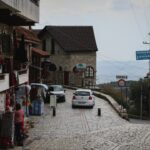
Walking through the narrow streets of the old town, visitors can admire the traditional Ottoman houses that have been preserved for centuries. The houses are made of stone and wood and have a unique architectural design that is characteristic of the region. The roofs are made of flat stones, and the walls are decorated with intricate carvings and geometric patterns.

One of the most famous houses in Gjirokastër is the birthplace of the Albanian dictator Enver Hoxha. The house has been turned into a museum, and visitors can see the room where Hoxha was born and learn about his life and legacy.

Gjirokastër is also known for its rich cultural heritage. The city has produced many famous writers, poets, and artists, including Ismail Kadare, one of the most prominent Albanian writers of the 20th century. The city hosts an annual literary festival, which attracts writers and intellectuals from all over the world.

The food in Gjirokastër is also worth mentioning. The city is known for its traditional Albanian cuisine, which includes dishes such as qofte, a type of meatball, and byrek, a savory pastry filled with cheese or meat. Visitors can enjoy a meal in one of the many restaurants located in the old town, which offer stunning views of the castle and the valley below.

One of the best times to visit Gjirokastër is during the summer months when the weather is warm and sunny. The city hosts many cultural events and festivals during this time, including the National Folk Festival, which showcases traditional Albanian music and dance.

Gjirokastër is a city that is steeped in history and culture. Its unique architecture, rich literary heritage, and delicious cuisine make it a must-visit destination for anyone traveling to Albania. Whether you are interested in history, art, or food, there is something for everyone in Gjirokastër.

Gjirokastër Castle

Gjirokastër Castle is a landmark of Albania and a testament to the country’s rich history. Located in the city of Gjirokastër, the castle is a UNESCO World Heritage Site and a popular tourist attraction.

The castle was built in the 12th century and has been renovated and expanded over the centuries. It served as a military fortress during the Ottoman Empire and was later used as a prison during the communist era. Today, it stands as a symbol of Albania’s resilience and perseverance through difficult times.

Visitors to the castle can explore its various rooms and courtyards, each with its own unique history and architecture. The castle’s museum houses artifacts and exhibits that showcase the region’s cultural heritage, including traditional clothing, weapons, and household items.

One of the most striking features of the castle is its imposing towers, which offer panoramic views of the surrounding landscape. From these vantage points, visitors can see the city of Gjirokastër and the surrounding mountains, including the imposing Mount Tomorr.

The castle also features a number of underground tunnels, which were once used for military purposes. Today, visitors can explore these tunnels and imagine what life was like for soldiers who once used them to defend the castle.

In addition to its historical significance, Gjirokastër Castle is also a hub of cultural activity. It hosts a number of events and festivals throughout the year, including concerts, art exhibitions, and traditional dance performances.

Visitors to the castle can also explore the nearby Old Bazaar, a bustling marketplace that dates back to the Ottoman era. Here, they can shop for souvenirs and handicrafts, sample local cuisine, and immerse themselves in the vibrant culture of the region.

Overall, Gjirokastër Castle is a must-visit destination for anyone interested in Albania’s rich history and culture. Its impressive architecture, stunning views, and vibrant cultural scene make it a truly unforgettable experience.

Ethnographic Museum

As a lover of art and culture, I was thrilled when I heard about the Ethnographic Museum in my city. Located in the heart of the city, this museum is dedicated to showcasing the cultural heritage of various ethnic groups from around the world.

Upon entering the museum, I was struck by the beauty of the exhibits. The first thing that caught my eye was a collection of intricate masks from Africa. Each mask was unique, with its own intricate design and meaning. It was fascinating to learn about the different rituals and beliefs associated with these masks, and how they are still used in certain parts of Africa today.

Moving on to the next exhibit, I was introduced to the traditional clothing of various cultures. From the colorful saris of India to the intricate embroidery of the Middle East, each piece of clothing had its own story to tell. It was interesting to see how fashion has evolved over time and how it has been influenced by the cultures of different regions.

As I wandered through the museum, I was struck by the attention to detail in each exhibit. From the lighting to the placement of each artifact, it was clear that a lot of thought had gone into the curation of the museum. The museum also provided detailed information about each exhibit, which helped me understand the significance of each artifact.

One of the things that I found particularly interesting about the Ethnographic Museum was its focus on the everyday lives of different cultures. While many museums focus on the grandeur of ancient civilizations, this museum highlighted the customs and traditions of everyday people. From the utensils used for cooking to the toys that children played with, it was fascinating to learn about the everyday objects that define a culture.

As I made my way through the museum, I was struck by the diversity of the exhibits. From South America to Asia, each exhibit showcased the unique beauty of a different culture. It was inspiring to see how people from different parts of the world have created such vibrant and rich cultures.

Overall, my visit to the Ethnographic Museum was a truly enriching experience. It opened my eyes to the beauty and diversity of cultures from around the world. I left the museum feeling inspired and grateful for the opportunity to learn about the customs and traditions of others.

If you are interested in art and culture, I highly recommend a visit to the Ethnographic Museum. It is a unique and enriching experience that is sure to broaden your horizons and deepen your appreciation for the beauty of diversity.

Zekate House

Zekate House is a historic landmark located in the heart of Tirana, Albania. Built in the early 19th century, this house is a unique example of traditional Albanian architecture. It has been preserved throughout the years and has become an important part of the city’s cultural heritage.

The house was built by a wealthy merchant named Kasem Zekate. He was a prominent figure in the city and his house was a reflection of his social status. The architecture of the house is typical of the Ottoman period, with a central courtyard and rooms surrounding it. The house has two floors, with the upper floor being reserved for the family’s living quarters.

One of the most striking features of the house is the intricate woodwork. The ceilings are adorned with beautiful carvings and the doors are made of finely crafted wood. The windows are also a standout feature, with intricate patterns etched into the glass.

The house has been open to the public since the 1980s and has become a popular tourist attraction. Visitors can take a tour of the house and learn about its history and significance. The tour includes a visit to the courtyard, which is surrounded by a gallery of rooms. These rooms have been restored to their original state and give visitors a glimpse into the life of a wealthy Albanian family during the Ottoman period.

The house also has a small museum, which showcases traditional Albanian costumes and artifacts from the period. This museum is a great way to learn about the culture and history of Albania.

Zekate House is not just a tourist attraction, but it is also an important cultural institution. The house hosts events and exhibitions throughout the year, including traditional music performances and art exhibitions. These events are a great way to experience Albanian culture and heritage.

In recent years, there have been efforts to restore and preserve Zekate House. The house has undergone extensive renovations to ensure that it remains in good condition for years to come. These efforts have been recognized by the Albanian government, which has designated the house as a national monument.

Zekate House is a testament to the rich history and culture of Albania. It is a reminder of the country’s Ottoman past and the influence it has had on Albanian architecture and culture. The house is a must-visit for anyone interested in Albanian history and culture.

Zekate House is a unique example of traditional Albanian architecture and an important cultural institution. Its intricate woodwork, beautiful carvings, and etched glass windows are a testament to the skill and craftsmanship of the artisans who built it. The house has been preserved and restored to its original state, allowing visitors to experience the life of a wealthy Albanian family during the Ottoman period. Zekate House is a must-visit for anyone interested in Albanian history and culture, and a reminder of the rich heritage of this beautiful country.

Cold War Tunnel

The Cold War marked a period of heightened tension between the United States and the Soviet Union, with both nations engaging in a global struggle for power and influence. One of the most fascinating aspects of this period was the intense focus on espionage and intelligence gathering. Both sides went to great lengths to obtain information about the other, including the construction of elaborate underground tunnels designed to spy on enemy activity.

One such tunnel was built by the United States in the heart of Berlin. Located near the infamous Checkpoint Charlie, the tunnel was designed to intercept Soviet communications and gather intelligence about Soviet military movements. The tunnel was constructed in secret, with a team of American engineers and builders working tirelessly to excavate the underground passage without attracting attention.

The tunnel was a remarkable feat of engineering, stretching for over 1,500 feet beneath the streets of Berlin. It was equipped with advanced listening devices and sophisticated recording equipment, allowing American intelligence officers to eavesdrop on Soviet conversations and gather valuable information about their military capabilities. The tunnel was also designed to be completely self-contained, with its own ventilation system and power supply.

Despite the impressive engineering and technological capabilities of the tunnel, it was not without its challenges. The construction process was incredibly difficult, with workers forced to dig through solid rock and navigate around existing infrastructure. The tunnel was also vulnerable to collapse, with the weight of the city above putting tremendous pressure on the fragile structure.

Despite these challenges, the tunnel proved to be an invaluable asset in the fight against Soviet aggression. American intelligence officials were able to gather critical information about Soviet military movements and plans, helping to prevent potential conflicts and protect the interests of the United States and its allies.

The Cold War tunnel is a testament to the ingenuity and determination of those who fought in the shadowy world of espionage and intelligence gathering. It is a reminder of the lengths that nations will go to in order to protect their interests and gain an advantage over their adversaries.

Today, the tunnel remains a fascinating historical artifact, offering a glimpse into a bygone era of global conflict and intrigue. It is a testament to the bravery and dedication of those who risked their lives in the pursuit of intelligence and the protection of their country.

As we look back on this tumultuous period in world history, it is important to remember the lessons of the Cold War tunnel. We must remain vigilant in the face of global threats, and continue to invest in the tools and technologies necessary to protect our interests and ensure our security. The Cold War may be over, but the lessons it taught us remain as relevant as ever.

  • Print
  • +-
    Font Size