ROAMOPEDIA
Tirana
Discover the eclectic mix of history and modernity in Tirana, Albania’s vibrant capital city.
“Discover the eclectic mix of history and modernity in Tirana, Albania’s vibrant capital city.”

Tirana

Albania is a beautiful country located in Southeast Europe. The capital city of Albania is Tirana, which is a vibrant and bustling metropolis that is home to over 800,000 people. Tirana is the political, economic, and cultural center of Albania and is a must-visit destination for anyone traveling to the country.

One of the first things that visitors notice when they arrive in Tirana is the colorful buildings that line the streets. In the past, the buildings were drab and gray, but now they are painted in a rainbow of colors. This transformation was part of a project called the “Colorful Tirana Initiative,” which aimed to make the city more visually appealing. The initiative has been a huge success, and the city is now known for its vibrant and eclectic architecture.

Tirana is also home to a number of museums and cultural institutions. The National Museum of History is one of the most popular attractions in the city. It houses a vast collection of artifacts and exhibits that tell the story of Albania’s rich history. The Museum of Natural Sciences is another must-visit destination, especially for nature lovers. It has a vast collection of plants and animals from Albania and around the world.

One of the most iconic landmarks in Tirana is the Et’hem Bey Mosque. This beautiful mosque was built in the 18th century and is famous for its intricate frescoes and beautiful architecture. Visitors are welcome to enter the mosque and admire its beauty, but they should remember to dress modestly and remove their shoes before entering.

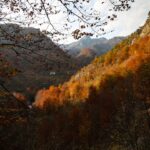
For those who want to experience the natural beauty of Albania, Tirana is a great starting point. The city is surrounded by mountains, and there are many hiking trails that offer stunning views of the landscape. The Dajti Mountain National Park is just a short drive from the city and is a popular destination for locals and tourists alike. The park is home to a variety of wildlife, including bears, wolves, and lynx.

Tirana is also a great place to experience Albanian cuisine. The city is known for its delicious traditional dishes, such as byrek (a savory pastry filled with cheese, meat, or vegetables) and tavë kosi (a baked dish made with lamb and yogurt). There are many restaurants in Tirana that serve traditional Albanian food, as well as international cuisine.

Finally, no trip to Tirana would be complete without a visit to Skanderbeg Square. This large public square is the heart of the city and is surrounded by some of Tirana’s most important landmarks, including the National Historical Museum and the Et’hem Bey Mosque. It is also a popular gathering place for locals and tourists alike, and is always bustling with activity.

Tirana is a vibrant and exciting city that is full of history, culture, and natural beauty. Whether you are interested in museums and cultural institutions, hiking and outdoor activities, or delicious food and drink, Tirana has something to offer everyone. So if you are planning a trip to Albania, be sure to include Tirana on your itinerary!

Skanderbeg Square

Albania is a small country in Southeast Europe that is often overlooked by travelers, but it has a lot to offer. One of the most impressive sights in Albania is Skanderbeg Square, located in the heart of the capital city, Tirana.

Skanderbeg Square is named after the national hero of Albania, Gjergj Kastrioti Skënderbeu, who led a rebellion against the Ottoman Empire in the 15th century. The square is a large open space that is surrounded by impressive buildings and monuments.

One of the most notable buildings on Skanderbeg Square is the National Historical Museum, which houses a collection of artifacts from Albania’s rich history. The museum has exhibits on everything from ancient Illyrian culture to the communist regime that ruled Albania from 1944 to 1991.

Another impressive building on Skanderbeg Square is the Et’hem Bey Mosque, which was built in the 18th century. The mosque is still in use today and is one of the few buildings in Tirana that survived the communist era without being destroyed or repurposed.

In the center of Skanderbeg Square is a statue of Skanderbeg himself, riding on horseback and brandishing a sword. The statue was erected in 1968 and is a symbol of Albanian nationalism and resistance against foreign invaders.

Skanderbeg Square is also a popular spot for public gatherings and events. It has been the site of protests, concerts, and other cultural events throughout Albania’s history. In recent years, the square has been renovated and modernized to make it more pedestrian-friendly and accessible to visitors.

One of the most impressive features of Skanderbeg Square is the fountain that runs along its length. The fountain is made up of a series of jets that shoot water into the air, creating a mesmerizing display. At night, the fountain is illuminated with colorful lights, making it a popular spot for locals and tourists alike.

Overall, Skanderbeg Square is a must-see destination for anyone visiting Tirana or Albania. Its impressive buildings, monuments, and public spaces are a testament to Albania’s rich history and culture. Whether you’re interested in ancient history, modern art, or just soaking up the atmosphere of a bustling city square, Skanderbeg Square has something for everyone.

Et’hem Bey Mosque

Albania is a country rich in history and culture, with many landmarks and monuments that reflect its diverse past. One such landmark is the Et’hem Bey Mosque, located in the heart of Tirana, the capital city of Albania.

The Et’hem Bey Mosque is a beautiful example of Ottoman architecture, and it has become one of the most important landmarks in Tirana. The mosque was built in the 18th century, during the rule of the Ottoman Empire. It was named after its founder, Et’hem Bey, who was a prominent leader in the Ottoman Empire.

The mosque is known for its intricate and beautiful design, which includes a large dome and two minarets. The exterior of the mosque is adorned with intricate patterns and designs, which are typical of Ottoman architecture. The interior of the mosque is equally impressive, with beautiful calligraphy and intricate tile work.

The mosque is not only a beautiful architectural landmark, but it also has great cultural significance for the people of Albania. During the communist era in Albania, the mosque was closed and used as a cultural center. However, after the fall of communism, the mosque was reopened and restored to its former glory. Today, it serves as an important symbol of religious freedom and tolerance in Albania.

The Et’hem Bey Mosque is also known for its unique clock tower, which was added to the mosque in the early 19th century. The clock tower is one of the oldest in Albania, and it still functions today. The clock tower has become a popular tourist attraction, and visitors can climb to the top for a stunning view of Tirana.

Despite its importance as a cultural and historical landmark, the Et’hem Bey Mosque has faced many challenges over the years. During World War II, the mosque was damaged by bombs, and it was later closed by the communist government. However, the mosque has always been a symbol of resilience and strength for the people of Albania, and it has always been restored and reopened.

Today, the Et’hem Bey Mosque is a popular tourist attraction, and it serves as an important symbol of religious tolerance and freedom in Albania. The mosque is open to visitors of all faiths, and it is a beautiful example of the diverse and rich cultural heritage of Albania.

the Et’hem Bey Mosque is a beautiful and important landmark in Albania. Its intricate design and historical significance make it a must-visit destination for anyone interested in history and culture. The mosque has faced many challenges over the years, but it has always been restored and reopened, serving as a symbol of resilience and strength for the people of Albania. Whether you are a tourist or a local, a visit to the Et’hem Bey Mosque is a must.

National History Museum

Albania: A Walk Through History at the National History Museum

The National History Museum in Tirana, Albania, is a must-see destination for anyone interested in the country’s rich history. Located in the heart of the city, the museum houses a vast collection of artifacts, documents, and exhibits that take visitors on a journey through Albania’s past.

The museum’s main exhibition is divided into five sections, each covering a different period in Albanian history. The first section covers prehistoric times, with displays of finds from the Paleolithic, Neolithic, and Bronze Ages. Visitors can see stone tools, pottery, and jewelry from these ancient times, and learn about the daily life of our ancestors.

The second section covers the Illyrian period, when the Illyrian tribes inhabited the region. The exhibition includes weapons, armor, and other artifacts from this time, as well as information about the Illyrian way of life. Visitors can learn about the tribes’ customs, religion, and social structure, and see how they interacted with neighboring peoples.

The third section covers the Roman period, when Albania was part of the Roman Empire. The exhibition includes mosaics, statues, and other artifacts from this time, as well as information about the Roman occupation. Visitors can learn about the Roman way of life, and see how the empire influenced Albanian culture.

The fourth section covers the Byzantine period, when Albania was part of the Byzantine Empire. The exhibition includes icons, manuscripts, and other artifacts from this time, as well as information about the Byzantine occupation. Visitors can learn about the Byzantine way of life, and see how the empire influenced Albanian culture.

The fifth section covers the Ottoman period, when Albania was part of the Ottoman Empire. The exhibition includes weapons, textiles, and other artifacts from this time, as well as information about the Ottoman occupation. Visitors can learn about the Ottoman way of life, and see how the empire influenced Albanian culture.

In addition to the main exhibition, the National History Museum also has several temporary exhibitions throughout the year. These exhibitions cover a wide range of topics, from art and culture to science and technology. Visitors can check the museum’s website for information about current and upcoming exhibitions.

The museum also has a library and archive, which houses a vast collection of books, journals, and documents related to Albanian history. Researchers and scholars can access these resources by appointment, and the museum staff are always available to assist with research inquiries.

Visitors to the National History Museum can also enjoy the museum’s beautiful architecture and surroundings. The building itself is a work of art, with its grand entrance, marble columns, and beautiful courtyard. The museum is located in the heart of Tirana, surrounded by parks, cafes, and other cultural attractions.

the National History Museum in Tirana, Albania, is a treasure trove of history and culture. Visitors can take a walk through Albania’s past, from prehistoric times to the present day, and learn about the country’s rich heritage. Whether you’re a history buff, a culture enthusiast, or just looking for something to do in Tirana, the National History Museum is well worth a visit.

Dajti Mountain National Park

Nestled in the heart of the Balkans, Albania is a country that has been overlooked by many travelers. But those who have ventured here have discovered a land of incredible natural beauty and cultural richness. One of the country’s most prized treasures is the Dajti Mountain National Park.

Located just outside of the capital city of Tirana, Dajti Mountain National Park is a stunning natural oasis that covers over 29,000 hectares of pristine forest, rocky peaks, and hidden waterfalls. The park is a popular destination for hikers, nature lovers, and adventure seekers, offering visitors a wide range of activities to choose from.

One of the most popular ways to explore the park is by hiking. The park has a network of well-marked trails that wind through the forest and up the mountain, offering breathtaking views of the surrounding landscape. The trails range in difficulty, from easy walks that are suitable for beginners to challenging treks that require experienced hikers. Some of the most popular trails include the Qafë Shtama Trail, the Fushë-Krujë Trail, and the Tujan Trail.

For those who prefer a more leisurely pace, the park also has a cable car that takes visitors up to the top of Mount Dajti. The cable car ride is a thrilling experience in itself, offering stunning views of the park and the city of Tirana below. Once you reach the top, you can enjoy a meal at one of the park’s restaurants or take in the panoramic views from the observation deck.

Another popular activity in the park is mountain biking. The park has a number of trails that are suitable for all levels of bikers, from beginners to experts. The trails wind through the forest and offer plenty of opportunities to stop and take in the stunning scenery.

If you’re looking for a more adrenaline-fueled adventure, the park also has a zipline that takes you on a thrilling ride over the forest canopy. The zipline is a popular activity for visitors of all ages, offering a unique perspective on the park’s natural beauty.

In addition to its natural wonders, Dajti Mountain National Park is also home to a number of cultural and historical sites. One of the most notable is the Dajti Castle, which dates back to the 5th century. The castle is perched on a rocky outcrop and offers stunning views of the park and the surrounding countryside.

Overall, Dajti Mountain National Park is a must-visit destination for anyone traveling to Albania. Its natural beauty, cultural richness, and wide range of activities make it a perfect destination for hikers, nature lovers, and adventure seekers alike. So why not add it to your travel itinerary and discover the hidden treasures of Albania for yourself?

  • Print
  • +-
    Font Size