Exploring Estonia: A Journey Through Lahemaa National Park’s Unique Landscapes
Lahemaa National Park, located in the northern region of Estonia, is a breathtakingly beautiful area that showcases the diverse landscapes of the country. With its stunning forests, wetlands, and coastal areas, the park serves as a perfect destination for nature lovers who want to experience the best of Estonia’s natural beauty. The name ‘Lahemaa’ translates to ‘Land of Bays,’ which reflects the park’s unique location along Estonia’s northern coast. Established in 1971, Lahemaa National Park is the oldest and largest national park in Estonia, covering an expansive area of 725 square kilometers.
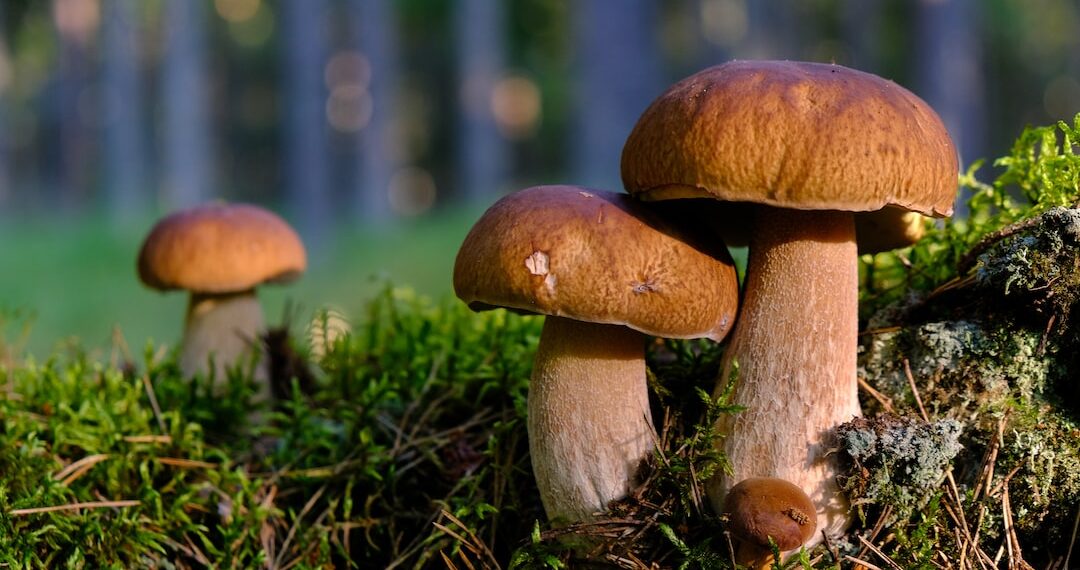
One of the main attractions of Lahemaa National Park is its diverse ecosystem. The park boasts a rich variety of plant and animal species that call this beautiful region home. From the lush forests to the picturesque coastlines, there is no shortage of breathtaking scenery within the park. In the forests, visitors can expect to find a diverse range of tree species, such as pine, spruce, and birch, creating a dense canopy that provides a habitat for various bird species, including woodpeckers, eagles, and owls. These forests are also home to an array of mammals, such as lynx, elk, and wild boar, making Lahemaa National Park a haven for wildlife enthusiasts.
As you venture deeper into the park, you will come across the enchanting wetlands – a unique feature of Lahemaa National Park that sets it apart from other Estonian parks. The wetlands are comprised of a myriad of bogs, swamps, and marshes, providing a serene and otherworldly atmosphere to the area. These wetlands serve as a crucial habitat for numerous plant and animal species. With their highly acidic soil, the bogs and swamps are home to a fascinating range of flora, including carnivorous plants like sundews and bladderworts. The wetlands also provide a habitat for a variety of bird species, such as cranes, bitterns, and marsh harriers, which can often be seen soaring overhead or wading through the shallow waters.
Another captivating aspect of Lahemaa National Park is its coastal areas. With its jagged coastline and numerous bays, the park offers an unparalleled opportunity to explore Estonia’s beautiful seaside. The sandy beaches and rocky shores provide a perfect setting for a leisurely stroll or a refreshing swim in the cool waters of the Baltic Sea. Along the coast, you can also find unique geological formations such as glacial erratics, which are large boulders left behind by retreating glaciers during the last ice age. These impressive rocks are a testament to the immense geological forces that have shaped Estonia’s landscape over the millennia.
Additionally, the coastal areas serve as an essential nesting ground for many bird species. The coastal meadows attract flocks of migratory birds, such as geese and swans, which can be seen resting and feeding in the area during their long journeys. The coastal cliffs are also home to a number of seabird species, including guillemots and razorbills, offering birdwatching enthusiasts a chance to observe these fascinating creatures up close.
Aside from its extraordinary natural beauty, Lahemaa National Park also has a rich cultural history that is worth exploring. Throughout the park, you will find remnants of Estonia’s past, including ancient burial mounds, stone labyrinths, and historical farmsteads. One of the most notable cultural attractions in the park is the Sagadi Manor, a beautifully restored 18th-century manor house that now serves as a museum, showcasing the history and culture of the region. The manor is surrounded by picturesque gardens and parklands, providing a delightful setting for a leisurely walk or a picnic.
Another interesting cultural site within Lahemaa National Park is the Altja fishing village, which dates back to the 15th century. This charming coastal village provides a glimpse into the traditional way of life in Estonia, with its well-preserved wooden buildings and fishing boats. Visitors can stroll through the village and learn about the history of fishing in the region, as well as sample some delicious local seafood dishes at the village tavern.
For those who enjoy outdoor activities, Lahemaa National Park offers a plethora of options to choose from. With its extensive network of hiking trails, the park is an ideal destination for walkers and hikers of all levels. The trails meander through the diverse landscapes of the park, from dense forests to open coastal areas, providing endless opportunities to explore the park’s natural beauty. For a more leisurely experience, visitors can opt for one of the many well-marked nature trails, which offer informative displays and observation platforms along the way.
Cycling enthusiasts can also take advantage of the park’s numerous cycling routes, which cater to a variety of skill levels and offer a unique way to explore the park’s diverse landscapes. For those who prefer water-based activities, the park’s numerous rivers and lakes provide excellent opportunities for canoeing and kayaking. Additionally, the park’s coastal areas offer fantastic conditions for swimming and snorkeling during the warmer months.
Overall, Lahemaa National Park is a truly remarkable destination that showcases the best of Estonia’s diverse landscapes. With its striking forests, wetlands, and coastal areas, the park offers a wealth of opportunities for visitors to immerse themselves in the natural beauty of the region. Whether you are a wildlife enthusiast, a history buff, or simply looking for a peaceful retreat in the great outdoors, Lahemaa National Park is a must-visit destination for anyone traveling to Estonia.