ROAMOPEDIA
Narva
Discover the captivating history and cultural fusion of Narva, Estonia’s border city.
“Discover the captivating history and cultural fusion of Narva, Estonia’s border city.”
Narva

Narva is a small city located in the northeastern part of Estonia, right on the border with Russia. Despite its size, Narva is a city rich in history and culture, with a unique blend of Russian and Estonian influences. For those looking to explore a lesser-known part of Estonia, Narva is definitely worth a visit.

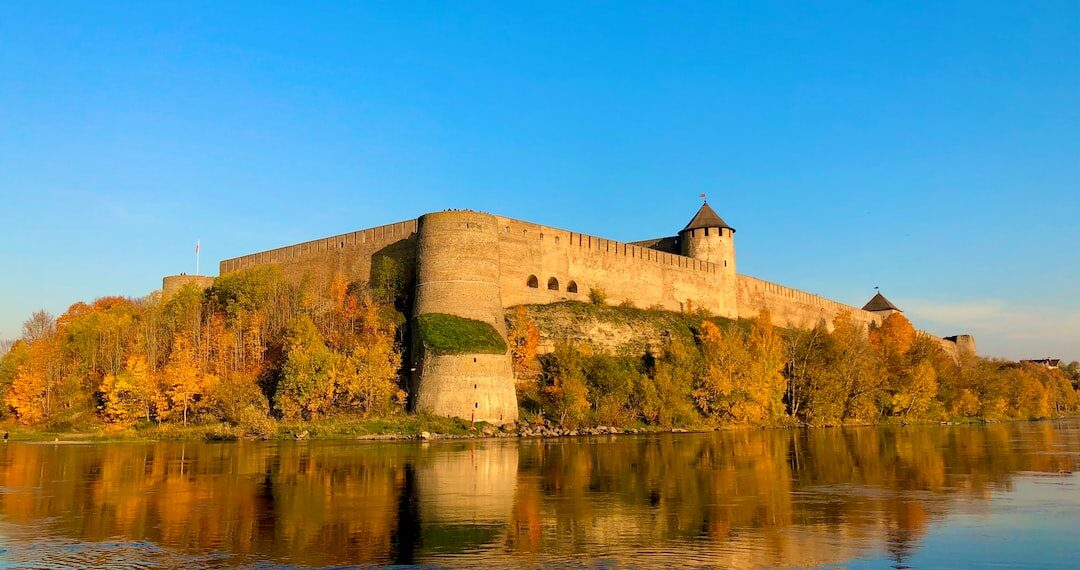
One of the main attractions in Narva is the Narva Castle, which dates back to the 13th century. The castle has been destroyed and rebuilt several times throughout history, but today it stands as a symbol of Narva’s past and a reminder of the city’s strategic importance as a border town. Visitors can explore the castle’s various rooms and towers, and even climb to the top for a panoramic view of the surrounding area.

Another must-see attraction in Narva is the Kreenholm Textile Factory, which was once the largest textile mill in the Russian Empire. Today, the factory has been converted into a museum that showcases the history of the textile industry in Narva and Estonia. Visitors can take a guided tour of the factory, see the old machinery in action, and learn about the lives of the workers who once toiled there.

For those interested in art and culture, Narva has plenty to offer as well. The Narva Art Gallery features works by both Estonian and Russian artists, and the Narva Museum hosts a variety of exhibitions and events throughout the year. Additionally, the city’s annual Narva Opera Days festival is a highlight for music lovers, with performances by internationally renowned musicians and singers.

One of the most unique aspects of Narva is its location right on the border with Russia. Visitors can walk across the Narva River and see the Russian city of Ivangorod on the other side. While crossing the border is not recommended, it is possible to get a glimpse of Russian culture and architecture from a distance.

For those looking to experience the local cuisine, Narva has a number of restaurants and cafes that serve up traditional Estonian and Russian dishes. Some popular options include borscht (a beet soup), pelmeni (dumplings filled with meat), and kama (a sweet porridge made from roasted grains).

Overall, Narva is a city that offers a unique blend of history, culture, and natural beauty. Whether you’re interested in exploring the city’s medieval castle, learning about the textile industry, or simply taking in the stunning views of the Narva River, there’s something for everyone in this hidden gem of Estonia. So why not take a break from the more touristy destinations and discover Narva for yourself?

Narva Castle

Narva Castle is one of the most fascinating and historically rich attractions in Estonia. Located in the northeastern part of the country, this castle has been an important strategic point for centuries due to its proximity to the Russian border. Today, it is a popular tourist destination that offers visitors the opportunity to explore the castle’s history and architecture.

The castle was originally built in the 13th century by the Danes, who were trying to establish a foothold in the region. Over the centuries, it changed hands numerous times, with the Swedes, Russians, and Germans all playing a role in its development. The castle has undergone many renovations and additions over the years, and today it is a stunning example of medieval architecture.

One of the most interesting features of Narva Castle is its unique shape. Unlike many other castles, which are built in a square or rectangular shape, Narva Castle is long and narrow, with a series of towers and walls that stretch along the banks of the Narva River. This design was intentional, as it allowed the castle to better defend against attacks from both land and water.

Visitors to Narva Castle can explore a number of different areas, including the main courtyard, the castle walls, and the various towers. The castle also houses a museum, which features exhibits on the history of the castle and the surrounding area. One of the most popular exhibits is a collection of medieval weapons and armor, which gives visitors a glimpse into what life was like for the soldiers who once defended the castle.

While exploring Narva Castle, visitors can also enjoy stunning views of the Narva River and the surrounding countryside. The castle is situated on a hill that overlooks the river, and on a clear day, visitors can see all the way to Russia. This view is particularly breathtaking at sunset, when the sky is lit up in shades of pink and orange.

In addition to its historical significance, Narva Castle also plays an important role in Estonia’s cultural heritage. The castle is home to a number of cultural events throughout the year, including concerts, exhibitions, and festivals. These events offer visitors the chance to experience the rich traditions and customs of Estonia, and to celebrate the country’s unique cultural identity.

Overall, Narva Castle is a must-see destination for anyone visiting Estonia. Whether you are interested in history, architecture, or culture, this castle has something to offer. With its stunning views, fascinating exhibits, and rich cultural heritage, Narva Castle is a true gem of the Baltic region. So why not plan a visit today and discover all that this amazing castle has to offer?

Narva River Promenade

Narva is a border city in Estonia that sits on the banks of the Narva River, which marks the border with Russia. The city is known for its impressive Narva Castle, which dates back to the 13th century, and its stunning views of the river. But one of the most enjoyable ways to experience Narva is by strolling along the Narva River Promenade.

The promenade is a pedestrian walkway that runs along the banks of the Narva River, offering visitors a chance to take in the city’s beautiful architecture and scenery. The promenade is also home to several restaurants and cafes, making it a great place to stop for a bite to eat or a drink.

One of the highlights of the Narva River Promenade is the view of the Narva Castle. The castle is an impressive sight, with its tall towers and thick walls. The castle has a long and fascinating history, having been built by the Danes in the 13th century, and then taken over by the Teutonic Order in the 14th century. Today, the castle is a popular tourist attraction, and visitors can explore its many rooms and exhibits.

Another attraction along the promenade is the Kreenholm Textile Factory. The factory was one of the largest textile mills in Europe in the 19th century, and today it has been converted into a shopping center. Visitors can still see some of the original machinery and architecture of the factory, and can also shop for clothes and other items.

As you walk along the Narva River Promenade, you’ll also see several beautiful churches and other historic buildings. One of the most impressive is the Alexander Cathedral, which was built in the 19th century and is known for its stunning stained glass windows. The church is still in use today, and visitors can attend services or simply admire its beauty.

The promenade is also a great place to enjoy the natural beauty of the Narva River. The river is wide and peaceful, and you’ll often see boats and kayaks gliding along its surface. You can also watch the sunset over the river, which is a truly magical experience.

Overall, the Narva River Promenade is a must-visit destination for anyone exploring Narva. Whether you’re interested in history, architecture, or simply enjoying a stroll along the river, the promenade has something for everyone. So next time you’re in Estonia, be sure to add Narva to your itinerary and discover all that this beautiful border city has to offer.

Narva Alexander’s Cathedral

Nestled on the eastern border of Estonia, Narva is a city that is often overlooked by tourists. However, this hidden gem has a rich history and culture that is waiting to be discovered.

One of the most iconic landmarks in Narva is Alexander’s Cathedral. This stunning Orthodox cathedral is a must-visit destination for anyone exploring the city.

Built in the late 19th century, Alexander’s Cathedral is named after Tsar Alexander III, who commissioned its construction. The cathedral was designed by Mikhail Preobrazhensky, a well-known architect of the time. The building’s architecture is a mix of Byzantine and Russian Revival styles, which gives it a unique and impressive appearance.

As you approach the cathedral, the first thing you’ll notice is the towering bell tower. The tower stands at over 50 meters tall and is adorned with intricate carvings and decorations. The bells inside the tower are still in use today and can be heard ringing throughout the city.

Inside the cathedral, you’ll be awed by the stunning interior. The walls and ceilings are covered in beautiful frescoes and mosaics, which depict scenes from the Bible and Russian history. The altar is adorned with gold leaf and precious stones, making it a true masterpiece of craftsmanship.

One of the most striking features of Alexander’s Cathedral is the iconostasis. This ornate screen separates the altar from the rest of the church and is covered in icons of various saints and religious figures. The iconostasis is a work of art in itself and is considered one of the finest examples of Orthodox iconography in Estonia.

Visitors to the cathedral can also explore the crypt, which is located beneath the altar. The crypt contains the remains of several prominent members of the Russian Orthodox Church, including Archimandrite Ioann Kronshtadtsky and Bishop Platonic.

Alexander’s Cathedral is not just a place of worship, but also a cultural and historical landmark. Throughout its history, the cathedral has been witness to many significant events, including the Russian Revolution and the Estonian War of Independence. Today, it stands as a testament to the enduring strength of the Orthodox faith and the rich cultural heritage of Estonia.

a visit to Narva’s Alexander’s Cathedral is a must for anyone exploring Estonia’s border city. The cathedral’s stunning architecture, intricate interior, and rich history make it a true gem of Estonian culture. So, whether you’re a history buff, a religious pilgrim, or simply looking for a unique travel experience, be sure to add Alexander’s Cathedral to your itinerary.

If you’re looking for a unique travel experience that combines history, culture, and art, then look no further than the city of Narva in northeastern Estonia.

Narva is a border city that sits on the banks of the Narva River, which forms the natural border between Estonia and Russia. Its strategic location has made it an important site for military conflicts throughout history, and its architecture reflects this with a mix of medieval, Soviet-era, and modern buildings.

One of the must-see attractions in Narva is the Narva Art Gallery. Housed in a beautiful 18th-century building, the gallery showcases contemporary art from Estonia and other Baltic countries. The exhibits change regularly, so check the gallery’s website before you visit to see what’s on display.

One of the most striking exhibits in the gallery is a series of large-scale paintings by Estonian artist Jüri Arrak. The colorful, surrealistic works depict fantastical landscapes and creatures that seem to come alive on the canvas. Another standout exhibit is a collection of photographs by Estonian photographer Birgit Püve, which document the lives of people living in the former Soviet Union.

The gallery also has a small gift shop where you can purchase art prints, postcards, and other souvenirs. And if you’re feeling inspired after your visit, there’s a small studio space where you can try your hand at creating your own art.

After you’ve explored the Narva Art Gallery, take a stroll around the city to see some of its other architectural gems. One of the most impressive is the Narva Castle, which dates back to the 13th century and has been the site of many battles over the centuries. The castle has been restored in recent years and is now open to visitors, with exhibits on the history of the castle and the city.

Another interesting site is the Kreenholm Textile Factory, which was once the largest cotton mill in continental Europe. The factory complex has been partially restored and now houses a shopping center, but you can still see some of the original machinery and architecture.

If you’re interested in Soviet-era history, be sure to visit the Narva Museum, which is housed in a former KGB border guard station. The museum has exhibits on the history of Narva and the surrounding area, as well as a collection of Soviet-era artifacts and propaganda.

Finally, no visit to Narva would be complete without a stroll along the riverfront promenade. From here, you can see the imposing Hermann Castle on the Russian side of the river, as well as the modern Narva-Jõesuu Suspension Bridge.

Narva is a city that offers a unique blend of history, culture, and art. The Narva Art Gallery is just one of the many attractions that make this border city worth a visit. So if you’re looking for a destination that’s off the beaten path, consider adding Narva to your travel itinerary.

  • Print
  • +-
    Font Size