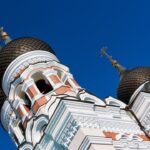
Discover the Baroque splendor of Kadriorg Palace in Tallinn, Estonia – where history, art, and architecture unite.
“Discover the Baroque splendor of Kadriorg Palace in Tallinn, Estonia – where history, art, and architecture unite.”
Exploring Estonia: Tallinn’s Kadriorg Palace and Art Museum
Nestled in the heart of Tallinn, Estonia’s picturesque capital, is a hidden gem that continues to captivate locals and tourists alike. Kadriorg Palace is a magnificent Baroque palace built in the early 18th century by Peter the Great, the founder of modern Russia. Today, this stunning architectural masterpiece houses the Art Museum of Estonia, showcasing an impressive collection of both Estonian and international art. As you walk through the palace, you can’t help but be mesmerized by its intricate design, rich history, and timeless beauty.
The story of Kadriorg Palace begins in the early 1700s, when Peter the Great, the Russian Tsar, captured the Swedish province of Estonia during the Great Northern War. In an effort to solidify his newfound power and establish a strong connection with the West, Peter the Great decided to build a summer residence in Tallinn. The palace, named “Kadriorg” or “Catherine’s Valley” in honor of his second wife, Catherine I, was commissioned by the famed Italian architect, Niccolò Michetti. Michetti, who had previously worked on the Vatican and the Palazzo Colonna in Rome, was tasked with creating a palace that would rival the grandeur of the French Versailles and the Austrian Schönbrunn.
After six years of meticulous construction, Kadriorg Palace was completed in 1725. The palace’s design is a shining example of Baroque architecture, characterized by its ornate detailing, intricate sculptures, and elegant symmetry. The exterior of the palace is adorned with colorful stucco, intricate carvings, and gilded decor, which perfectly contrast the surrounding lush gardens and serene pond. The palace’s centerpiece, a grand staircase flanked by statues of ancient Greek gods and goddesses, leads visitors to the lavishly decorated state rooms.
One of the most striking features of the palace is the main hall, also known as the Great Hall. This opulent room boasts frescoed ceilings, gilt moldings, and dramatic floor-to-ceiling windows that offer a breathtaking view of the palace grounds. The Great Hall was designed to impress visiting dignitaries and guests, and it certainly achieves that goal even today. The adjoining state rooms are equally impressive, with each room showcasing a unique theme and style. The rooms are adorned with intricate stuccowork, colorful frescoes, and beautiful paintings, providing a glimpse into the luxurious lifestyle of the Russian royal court.
Despite its grandeur, the palace was seldom used by Peter the Great and his successors, as the Russian Empire shifted its focus towards its new capital, Saint Petersburg. Over the centuries, Kadriorg Palace has undergone several transformations, serving as a summer residence for the Russian royal family, a military hospital during World War I, and the residence of the Estonian head of state during the country’s first period of independence.
In 1946, the palace was designated as the official home of the Art Museum of Estonia, which was founded in 1919. The museum’s collection includes over 100,000 works of art, spanning from the 16th century to the present day. The palace’s state rooms now serve as galleries for temporary exhibitions and the museum’s permanent collection of foreign art. Visitors can admire works by renowned artists such as Rembrandt, Rubens, and Cranach, as well as lesser-known but equally talented Estonian painters like Johann Köler and Konrad Mägi.
While the palace itself is undoubtedly a work of art, its surrounding gardens are equally enchanting. Designed in the French Baroque style, the Kadriorg Park features meticulous landscaping, intricate fountains, and charming pavilions. The park is divided into two distinct areas: the formal gardens, which surround the palace and feature geometric patterns, and the informal gardens, where winding pathways lead visitors through a lush, natural landscape. In addition to the beautifully maintained gardens, the park also hosts several other cultural institutions, including the Kumu Art Museum, the Estonian Presidential Palace, and the Mikkel Museum.
The Kadriorg Palace and its surrounding park provide a captivating glimpse into Estonia’s rich cultural heritage and the grandeur of the Baroque era. As you stroll through the palace’s state rooms and admire the masterpieces on display, you can sense the dedication and passion of the artists and craftsmen who brought this magnificent building to life. Moreover, the palace serves as a testament to the resilience of the Estonian people, who have preserved and restored this historical treasure for future generations to enjoy.
In recent years, the palace has become a popular venue for concerts, lectures, and other cultural events, further solidifying its role as a hub for the arts in Estonia. Each year, thousands of visitors from around the world flock to Tallinn to experience the magic of Kadriorg Palace and immerse themselves in its incredible history and beauty.
As you plan your visit to Estonia’s capital, be sure to include a trip to Kadriorg Palace on your itinerary. Whether you’re a history buff, an art enthusiast, or simply a traveler in search of a unique experience, the palace offers something for everyone. From its awe-inspiring architecture and stunning art collection to its tranquil gardens and rich cultural heritage, a visit to Kadriorg Palace is truly an unforgettable experience.
So, as you find yourself wandering the cobblestone streets of Tallinn’s Old Town, take a moment to venture beyond the city’s medieval walls and explore the enchanting world of Kadriorg Palace. There, amidst the Baroque splendor and timeless elegance, you’ll discover a piece of Estonia’s captivating history and a treasure trove of artistic masterpieces that will leave you utterly spellbound.