ROAMOPEDIA
Narva Castle
Discover Narva Castle: Estonia’s historic riverside gem, where history meets breathtaking borderland vistas.
“Discover Narva Castle: Estonia’s historic riverside gem, where history meets breathtaking borderland vistas.”
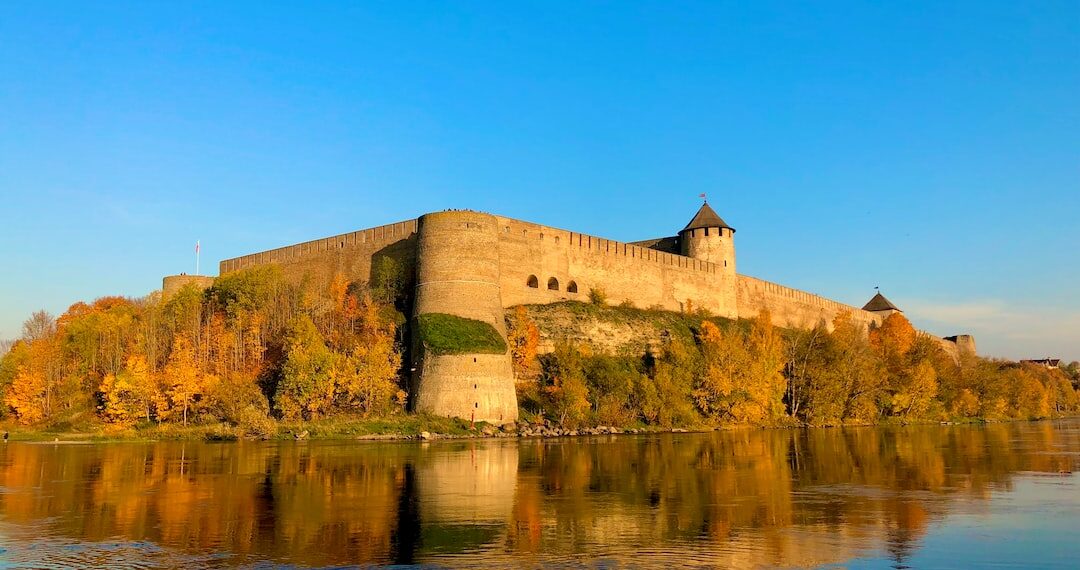
Exploring Estonia: Unveiling the Secrets of Narva Castle

Nestled on the banks of the Narva River, in the enchanting city of Narva, Estonia, lies a historic gem – the Narva Castle. This medieval stronghold, also known as Hermann Castle, has stood tall for centuries, witnessing the passage of time and the ever-changing geopolitical landscape. With a history that spans over 700 years, this castle has played a significant role in shaping the region and is an iconic symbol of the city. Today, the castle houses a fascinating museum, offering an intriguing insight into the past, while its stunning views of the Russian border, just across the river, are a constant reminder of its strategic importance.

The origins of the Narva Castle can be traced back to the 13th century, when the area was conquered by the Livonian Brothers of the Sword, a Catholic military order. The castle was initially a small fortress, serving as a border post between the territories of the order and the Novgorod Republic. Following several expansions and reconstructions, the castle gradually grew in size and importance, becoming a vital stronghold for the Livonian Order, which succeeded the Livonian Brothers of the Sword in the region.

Over the centuries, the Narva Castle has been the stage for numerous historical events and battles. The castle’s strategic location on the border between Estonia and Russia made it a target for various military campaigns, with both sides seeking to control this crucial crossing point of the Narva River. The castle has seen many sieges and attacks, changing hands between different powers, including the Teutonic Order, the Kingdom of Sweden, and the Russian Empire. Throughout its long and tumultuous history, the Narva Castle has stood as a symbol of power and authority.

One of the most memorable episodes in the castle’s history took place during the Great Northern War, a conflict between Sweden and Russia in the early 18th century. The Battle of Narva, which occurred in 1700, was a significant turning point in the war and a remarkable victory for the Swedish forces, led by the young King Charles XII. Despite being heavily outnumbered, the Swedish army managed to defeat the Russian troops, who were besieging the castle, in a fierce and bloody battle. In the aftermath of the conflict, the Narva Castle was extensively damaged, but it was later restored and continued to play a vital role in the region’s defense.

Today, the Narva Castle is a prominent attraction for visitors to the city, offering a unique glimpse into the past. The castle’s imposing structure, with its impressive towers and thick stone walls, evokes a sense of awe and wonder, transporting visitors back in time to the days of knights, kings, and epic battles. The most striking feature of the castle is the Tall Hermann Tower, which soars above the fortress, offering breathtaking panoramic views of the surrounding landscape, including the Russian border and the Ivangorod Fortress, which stands on the opposite bank of the river.

Inside the castle, the Narva Museum presents a captivating journey through the history of the city and the region. The museum’s extensive collection encompasses various aspects of local culture and heritage, including archaeology, history, art, and ethnography. Visitors can explore the fascinating exhibits, which showcase the rich tapestry of Narva’s past, from its early beginnings as a settlement to its development as a thriving trade center and its role in the wars and conflicts that have shaped the Baltic region.

One of the highlights of the Narva Museum is the permanent exhibition “Narva: 2000 Years on the Border”, which delves into the city’s complex history of being on the frontier between different powers and cultures. Through a combination of artifacts, interactive displays, and multimedia presentations, the exhibition offers a comprehensive and engaging overview of Narva’s past, touching upon the various influences that have shaped its identity and character.

Another noteworthy feature of the museum is the art gallery, which showcases a diverse collection of Estonian and European artworks. Housed in the former barracks of the castle, the gallery features paintings, sculptures, and graphic art, spanning different periods and styles. The collection includes works by renowned artists such as Johann Köler, Eduard Wiiralt, and Konrad Mägi, offering a fascinating insight into the evolution of artistic trends and movements in Estonia and beyond.

For history enthusiasts and those interested in military history, the Narva Castle’s collection of weapons and armor is a must-see. The castle’s arsenal houses an impressive array of firearms, swords, and other armaments, dating back to different periods of the fortress’s history. The collection also includes various military uniforms, flags, and other regalia, which provide a vivid picture of the soldiers who once defended these ancient walls.

In addition to its historical and cultural offerings, the Narva Castle is also a popular venue for various events and activities throughout the year. The castle’s picturesque courtyard, with its medieval ambiance, serves as a unique setting for concerts, theater performances, and other cultural events, enriching the visitor’s experience and bringing the castle’s storied past to life.

The Narva Castle’s remarkable history and captivating museum, combined with its stunning views of the Russian border, make it a must-visit destination for anyone traveling to Estonia. As the castle’s ancient walls continue to bear witness to the unfolding of history, visitors can immerse themselves in the rich and complex narrative of this fascinating region, while marveling at the timeless beauty of the fortress itself.

  • Print
  • +-
    Font Size