Estonia’s diverse landscape offers a range of outdoor activities, from hiking in the forests to swimming in the beaches.

Related
All related contents.
Related Posts

Discover the charm of Tartu, Estonia’s cultural hub.
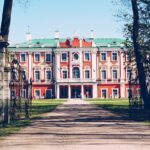
Discover the Baroque splendor of Kadriorg Palace in Tallinn, Estonia – where history, art, and architecture unite.

Discover Estonia’s Valor: Explore Valga Military Theme Park’s Interactive Journey Through Battles and Bravery

Discover Estonia’s Maritime Legacy: Dive into Tallinn’s Seaplane Harbour Museum Adventure

Discover timeless history at Kuressaare Castle – Saaremaa’s enchanting medieval treasure, where the past meets the present.
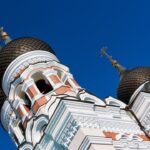
Discover the majestic beauty of Alexander Nevsky Cathedral, a Russian Orthodox gem nestled in Tallinn’s enchanting Old Town.

Discover the magic of Estonia’s past in Tallinn’s enchanting Old Town.

Rakvere Castle: Step into Estonia’s medieval past and immerse yourself in the interactive world of Rakvere’s timeless fortress.
Discover the hidden gem of Northern Europe – Estonia

Discover Estonia’s Natural Wonders: Lahemaa National Park – Where Forests, Wetlands, and Coastlines Meet

Step into the past: Discover Tallinn’s Old Town, a UNESCO treasure of medieval magic and timeless charm.

Discover Narva Castle: Estonia’s historic riverside gem, where history meets breathtaking borderland vistas.

Viljandi Castle: Estonia’s Window to a Majestic Past

Discover the charm of Viljandi, where history meets nature and culture.

Kõpu Lighthouse: Experience Ancient Illumination and Breathtaking Beauty in Hiiumaa, Estonia

Discover Tartu University: Estonia’s Timeless Treasure of Knowledge, Heritage, and Architectural Splendor since 1632.

Embrace the Baltic bliss at Pärnu Beach, Estonia’s sun-kissed haven for water sports and seaside serenity.

Discover Tartu’s enchanting Toome Hill: where history, nature, and breathtaking vistas unite.

Haapsalu Castle: Estonia’s Enchanting Medieval Retreat for History and Nature Lovers
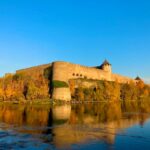
Discover the captivating history and cultural fusion of Narva, Estonia’s border city.

Discover the beauty of Estonia’s summer capital – Pärnu.