“Discover Estonia’s rich history and natural beauty through its diverse points of interest.”
Estonia is a small country located in Northern Europe, bordered by the Baltic Sea to the west and the Gulf of Finland to the north. Despite its small size, Estonia is a country rich in history, culture, and natural beauty. From its medieval old town to its pristine national parks, Estonia has something to offer every type of traveler. In this article, we will explore Estonia’s top tourist destinations and points of interest.
One of Estonia’s most popular tourist destinations is its capital city, Tallinn. Tallinn’s old town is a UNESCO World Heritage Site and is one of the best-preserved medieval cities in Europe. The old town is home to many historical sites, including the Toompea Castle, which dates back to the 13th century. Visitors can also explore the Alexander Nevsky Cathedral, a stunning Russian Orthodox church built in the late 19th century. The old town is also home to many museums, including the Estonian History Museum and the Kumu Art Museum.
Another popular destination in Estonia is the Lahemaa National Park. Located on the northern coast of Estonia, Lahemaa is the largest national park in the country and is home to a diverse range of flora and fauna. Visitors can explore the park’s forests, wetlands, and coastal areas, and can also visit the park’s many historical sites, including the Palmse Manor House and the Käsmu Maritime Museum.
For those interested in Estonia’s Soviet past, the Patarei Prison in Tallinn is a must-visit destination. The prison was built in the 19th century and was used as a prison by both the Nazis and the Soviets. Today, the prison has been turned into a museum, and visitors can explore the prison’s cells and learn about Estonia’s history under Soviet rule.
Estonia is also home to many festivals and events throughout the year. One of the most popular festivals is the Tallinn Christmas Market, which takes place in the city’s old town during the holiday season. The market is known for its festive atmosphere, with vendors selling traditional Estonian crafts and food, and live music and entertainment.
Another popular festival is the Viljandi Folk Music Festival, which takes place in the town of Viljandi every July. The festival is one of the largest folk music festivals in the Baltics and attracts musicians and visitors from all over the world. The festival features a wide range of music, from traditional Estonian folk music to world music and jazz.
For those interested in Estonia’s natural beauty, the Soomaa National Park is a must-visit destination. Located in the southwestern part of the country, Soomaa is known for its wetlands and floodplains. Visitors can explore the park’s many hiking trails and canoe through its rivers and streams. The park is also home to a diverse range of wildlife, including beavers, otters, and elk.
Estonia is also home to many beautiful beaches, including the Pärnu Beach, which is known for its white sand and clear water. The beach is located in the town of Pärnu, which is also known for its spa resorts and nightlife.
Finally, no trip to Estonia would be complete without a visit to the island of Saaremaa. Located off the western coast of Estonia, Saaremaa is the largest island in the country and is known for its natural beauty and historical sites. Visitors can explore the island’s many hiking trails and beaches, and can also visit the Kuressaare Castle, which dates back to the 14th century.
In conclusion, Estonia is a country rich in history, culture, and natural beauty. From its medieval old town to its pristine national parks, Estonia has something to offer every type of traveler. Whether you’re interested in history, nature, or festivals, Estonia’s top tourist destinations and points of interest are sure to inspire and delight.


Related
All related contents.
Related Posts
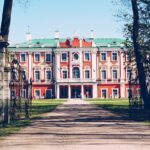
Discover the Baroque splendor of Kadriorg Palace in Tallinn, Estonia – where history, art, and architecture unite.

Discover Estonia’s Valor: Explore Valga Military Theme Park’s Interactive Journey Through Battles and Bravery

Discover the beauty of Estonia’s summer capital – Pärnu.

Kõpu Lighthouse: Experience Ancient Illumination and Breathtaking Beauty in Hiiumaa, Estonia

Discover the charm of Viljandi, where history meets nature and culture.
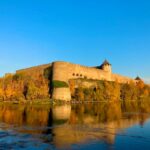
Discover the captivating history and cultural fusion of Narva, Estonia’s border city.

Rakvere Castle: Step into Estonia’s medieval past and immerse yourself in the interactive world of Rakvere’s timeless fortress.

Haapsalu Castle: Estonia’s Enchanting Medieval Retreat for History and Nature Lovers

Step into the past: Discover Tallinn’s Old Town, a UNESCO treasure of medieval magic and timeless charm.

Embrace the Baltic bliss at Pärnu Beach, Estonia’s sun-kissed haven for water sports and seaside serenity.

Discover the charm of Tartu, Estonia’s cultural hub.

Viljandi Castle: Estonia’s Window to a Majestic Past

Discover timeless history at Kuressaare Castle – Saaremaa’s enchanting medieval treasure, where the past meets the present.

Discover Tartu University: Estonia’s Timeless Treasure of Knowledge, Heritage, and Architectural Splendor since 1632.

Discover Narva Castle: Estonia’s historic riverside gem, where history meets breathtaking borderland vistas.
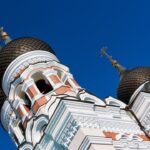
Discover the majestic beauty of Alexander Nevsky Cathedral, a Russian Orthodox gem nestled in Tallinn’s enchanting Old Town.

Discover Estonia’s Maritime Legacy: Dive into Tallinn’s Seaplane Harbour Museum Adventure

Discover Estonia’s Natural Wonders: Lahemaa National Park – Where Forests, Wetlands, and Coastlines Meet

Discover Tartu’s enchanting Toome Hill: where history, nature, and breathtaking vistas unite.
Discover the hidden gem of Northern Europe – Estonia

Discover the magic of Estonia’s past in Tallinn’s enchanting Old Town.