ROAMOPEDIA
Lobamba
Eswatini Lobamba: Where history and royalty meet.
Eswatini Lobamba: Where history and royalty meet.”
Lobamba

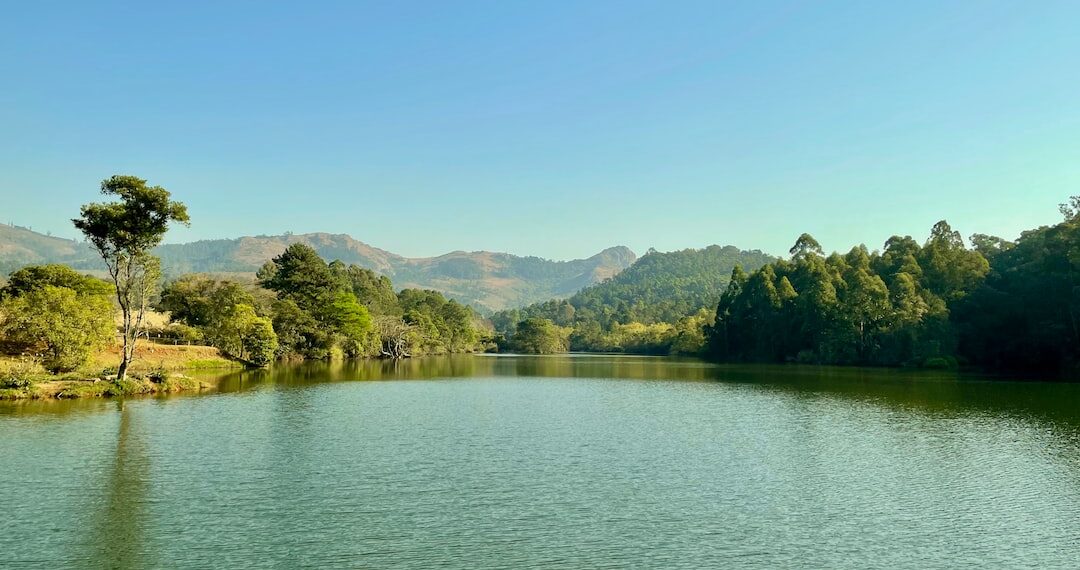
Nestled in the heart of Eswatini lies the country’s cultural and spiritual capital, Lobamba. This quaint town is steeped in rich history and tradition, making it a must-visit destination for anyone looking to explore the country’s cultural roots.

Lobamba serves as the seat of the Swazi royal family and is home to many important cultural landmarks. One of the most notable of these landmarks is the Ludzidzini Royal Residence, which is the official residence of the Queen Mother and is open to visitors during the annual Umhlanga Reed Dance ceremony. This ceremony is a celebration of Swazi culture and is an incredible sight to behold, with thousands of young women dancing and singing in unison.

Another must-visit attraction in Lobamba is the National Museum, which houses a collection of artifacts and exhibits that showcase the country’s rich history and culture. Here, visitors can learn about the country’s traditional customs, as well as its more recent history, including its struggle for independence.

For those interested in the country’s spiritual traditions, Lobamba is home to several important religious sites. One of the most significant of these is the Mantenga Cultural Village, which is a living museum that showcases traditional Swazi life and culture. Visitors can explore the village’s thatched huts, watch cultural performances, and even participate in traditional dances.

Another important religious site in Lobamba is the Ngwenya Glass Factory, which is a unique attraction that combines traditional Swazi craftsmanship with modern technology. Here, visitors can watch skilled artisans create beautiful glassware using age-old techniques, and even purchase their own handcrafted souvenirs to take home.

Aside from its cultural and spiritual attractions, Lobamba is also home to several natural wonders. One of the most beautiful of these is the Mlilwane Wildlife Sanctuary, which is home to a diverse range of wildlife, including antelope, zebra, and even crocodiles. Visitors can explore the park on foot, by bike, or on horseback, and can even enjoy a guided game drive to see the animals up close.

Finally, no visit to Lobamba would be complete without sampling some of the country’s traditional cuisine. Swazi food is known for its bold flavors and hearty portions, and there are plenty of restaurants in Lobamba that serve up delicious local dishes. Some of the most popular dishes include umncweba (dried meat), siswati (maize porridge), and sidvudvu (pumpkin leaves).

Lobamba is a destination that offers something for everyone, whether you’re interested in exploring the country’s rich cultural heritage, experiencing its spiritual traditions, or simply enjoying its natural beauty and delicious cuisine. So why not plan a visit to this fascinating town and discover all that Eswatini has to offer?

Ludzidzini Royal Residence

Lobamba is the traditional and legislative capital of Eswatini, one of the last remaining absolute monarchies in the world. The city is steeped in history and culture, and it is a must-visit destination for anyone interested in exploring the rich heritage of the African continent.

One of the most important landmarks in Lobamba is the Ludzidzini Royal Residence. This is the official residence of the Queen Mother, who plays a significant role in the country’s political and cultural life. The residence is also used for various traditional ceremonies, including the famous Reed Dance, where thousands of young women gather to present reeds to the Queen Mother as a symbol of their purity and loyalty.

Visitors to the Ludzidzini Royal Residence can explore the beautiful gardens and take a guided tour of the interior of the residence. The guides are knowledgeable and friendly, and they provide visitors with fascinating insights into the history and culture of Eswatini.

One of the highlights of the tour is the chance to see the Queen Mother’s bedroom, which is decorated with traditional Swazi beadwork and textiles. The room is a testament to the Queen Mother’s dedication to preserving Swazi culture, and it is a reminder of the important role that the monarchy plays in the country’s cultural life.

Another important feature of the Ludzidzini Royal Residence is the traditional kraal, which is home to a herd of Swazi cattle. These cattle are an important part of Swazi culture, and they are used in traditional ceremonies and rituals. Visitors can learn about the significance of cattle in Swazi culture and watch as the cattle are herded into the kraal by local herdsmen.

The Ludzidzini Royal Residence is also home to a small museum, which houses a collection of artifacts and exhibits related to Swazi culture. The museum provides visitors with a fascinating insight into the history and traditions of the Swazi people, and it is a great place to learn more about the country’s cultural heritage.

Visitors to the Ludzidzini Royal Residence can also take part in traditional dances and music performances. These performances are a highlight of any visit to Eswatini, and they provide visitors with a unique opportunity to experience the vibrant and colorful culture of the Swazi people.

In addition to the Ludzidzini Royal Residence, Lobamba is home to a number of other important cultural landmarks. These include the National Museum, which houses a collection of artifacts related to Swazi history and culture, and the Parliament Building, which is the seat of the country’s government.

Lobamba is also home to a number of traditional markets, where visitors can buy locally made crafts and souvenirs. These markets are a great place to experience the hustle and bustle of daily life in Eswatini, and they provide visitors with a chance to interact with local people and learn more about the country’s culture and traditions.

Lobamba is a fascinating and culturally rich destination that is well worth a visit for anyone interested in exploring the history and heritage of Eswatini. The Ludzidzini Royal Residence is a must-see attraction, and visitors can also explore a number of other important cultural landmarks in the city. Whether you are interested in traditional dances, music, or local crafts, Lobamba has something to offer everyone. So why not plan a visit today and experience the vibrant and colorful culture of Eswatini for yourself?

Embo State Palace

Eswatini, formerly known as Swaziland, is a small landlocked country located in southern Africa. The country is known for its rich history and culture, and one of the best places to experience this is in its capital city, Lobamba. Located in the Ezulwini Valley, Lobamba is home to the Embo State Palace, a historical landmark that has played a significant role in the country’s history.

The Embo State Palace is the official residence of Eswatini’s King Mswati III. The palace is a magnificent building that sits on a hill overlooking the Ezulwini Valley. It was built in the early 20th century by King Sobhuza II, who was the longest-reigning monarch in Eswatini’s history. The palace has undergone several renovations over the years, but it still retains its original charm and grandeur.

Visitors to the Embo State Palace can take a guided tour of the palace grounds and learn about the country’s history and culture. The tour includes a visit to the King’s private quarters, where visitors can see the lavish furnishings and décor that are fit for a king. The palace also has a museum that showcases the country’s history, including its traditional customs, music, and dance.

One of the most interesting things about the Embo State Palace is the traditional Reed Dance ceremony, which takes place every year in August or September. The ceremony is a celebration of young women who have reached puberty and are eligible for marriage. The women gather reeds from nearby rivers and present them to the king as a symbol of their purity and loyalty. The ceremony is a colorful and vibrant event that attracts visitors from all over the world.

Apart from the Embo State Palace, Lobamba has several other historical sites and attractions that are worth visiting. The National Museum of Eswatini is a must-visit for anyone interested in the country’s history and culture. The museum has a vast collection of artifacts, including traditional clothing, weapons, and musical instruments. The museum also has a section dedicated to the country’s wildlife, which includes displays of taxidermied animals such as lions, elephants, and rhinos.

Another popular attraction in Lobamba is the Mantenga Cultural Village. The village is a living museum that showcases the traditional way of life of the Swazi people. Visitors can learn about traditional medicine, music, dance, and crafts. The village also has a restaurant that serves traditional Swazi cuisine, such as roasted meat and umqombothi, a traditional beer made from maize and sorghum.

Lobamba is a fascinating city that offers visitors a glimpse into Eswatini’s rich history and culture. The Embo State Palace is a must-visit for anyone interested in the country’s monarchy, while the National Museum of Eswatini and Mantenga Cultural Village provide insights into the country’s traditional way of life. Whether you’re a history buff or simply looking for an immersive cultural experience, Lobamba is a city that should be on your travel itinerary.

National Museum

Lobamba is the historical and cultural capital of Eswatini. It is a small town located in the Ezulwini Valley and is home to the country’s National Museum, which is a must-visit for anyone who wants to learn more about the rich history and culture of Eswatini.

The National Museum is the perfect place to start your exploration of Lobamba. It is located in an old colonial building and contains a wide range of exhibits that showcase the country’s past. The museum’s collection includes traditional Swazi clothing, weapons, musical instruments, and artifacts from the country’s pre-colonial era.

One of the most fascinating exhibits in the museum is the King Sobhuza II Memorial Park. King Sobhuza II was the country’s longest-reigning monarch, and the exhibit showcases his life and legacy. Visitors can see his personal belongings, including his car and photographs of him with world leaders.

After visiting the National Museum, take a stroll through Lobamba’s streets and soak up the town’s atmosphere. The town is small and easy to navigate, and its streets are lined with traditional Swazi homes and shops.

One of the most popular attractions in Lobamba is the Mantenga Cultural Village. The village is a living museum that showcases traditional Swazi culture. Visitors can see traditional Swazi homesteads, watch cultural performances, and learn about Swazi traditions and customs.

Another must-visit attraction in Lobamba is the King’s Palace. The palace is the official residence of the King of Eswatini and is only open to visitors during the annual Reed Dance ceremony. However, visitors can still admire the palace’s impressive architecture from the outside.

For those who love nature, Lobamba is also home to the Mlilwane Wildlife Sanctuary. The sanctuary is a protected area that is home to a wide range of wildlife, including zebras, giraffes, and antelopes. Visitors can go on guided walks or horseback rides through the sanctuary and enjoy a picnic in the park’s beautiful surroundings.

Finally, no visit to Lobamba is complete without trying some traditional Swazi cuisine. The town has a range of restaurants and eateries that serve traditional dishes, such as umncweba (dried meat) and umkhunsu (maize porridge). Visitors can also try Swazi beer, which is brewed using traditional methods and is a popular drink in the country.

Lobamba is a fascinating town that is rich in history and culture. From the National Museum to the Mantenga Cultural Village, there are plenty of attractions to explore. Visitors can also enjoy the town’s natural beauty and try some traditional Swazi cuisine. Lobamba is a must-visit destination for anyone who wants to learn more about Eswatini’s past and experience its unique culture.

King Sobhuza II Memorial Park

Lobamba is the traditional and legislative capital city of Eswatini, a small landlocked country in Southern Africa. The city is located in the Ezulwini Valley, which is known for its scenic beauty and cultural heritage. One of the most popular tourist attractions in Lobamba is the King Sobhuza II Memorial Park.

The King Sobhuza II Memorial Park is a tribute to the late King Sobhuza II, who was one of the most respected and beloved monarchs in the history of Eswatini. The park is located on the outskirts of Lobamba and covers an area of approximately 70 hectares. It is a beautiful and serene place that offers visitors a glimpse into the rich history and culture of Eswatini.

The park is home to several important landmarks and attractions, including the King Sobhuza II Memorial Museum. The museum is dedicated to the life and legacy of King Sobhuza II and contains a vast collection of artifacts, photographs, and documents that tell the story of his reign. Visitors can learn about the king’s role in the struggle for independence, his efforts to promote education and healthcare, and his commitment to preserving the cultural heritage of Eswatini.

Another highlight of the King Sobhuza II Memorial Park is the royal cemetery. This is the final resting place of several members of the royal family, including King Sobhuza II himself. The cemetery is a solemn and peaceful place where visitors can pay their respects to the departed monarchs and reflect on the rich cultural heritage of Eswatini.

The park also features a traditional Swazi village, which provides visitors with an opportunity to experience the daily life and customs of the Swazi people. The village is made up of several huts and buildings that are constructed using traditional materials and methods. Visitors can watch demonstrations of traditional crafts such as weaving, pottery, and beadwork, and learn about the customs and traditions of the Swazi people.

In addition to these attractions, the King Sobhuza II Memorial Park also offers visitors a chance to explore the natural beauty of the Ezulwini Valley. The park is home to several hiking trails that wind through the lush forests and scenic hillsides of the valley. Visitors can enjoy breathtaking views of the surrounding landscape and observe the local wildlife, including baboons, antelopes, and a variety of bird species.

Overall, the King Sobhuza II Memorial Park is a must-visit destination for anyone interested in exploring the rich history and culture of Eswatini. The park offers a unique and immersive experience that combines cultural heritage, natural beauty, and outdoor adventure. Whether you are a history buff, a nature lover, or simply looking for a peaceful and inspiring place to visit, the King Sobhuza II Memorial Park is sure to leave a lasting impression on you.

  • Print
  • +-
    Font Size